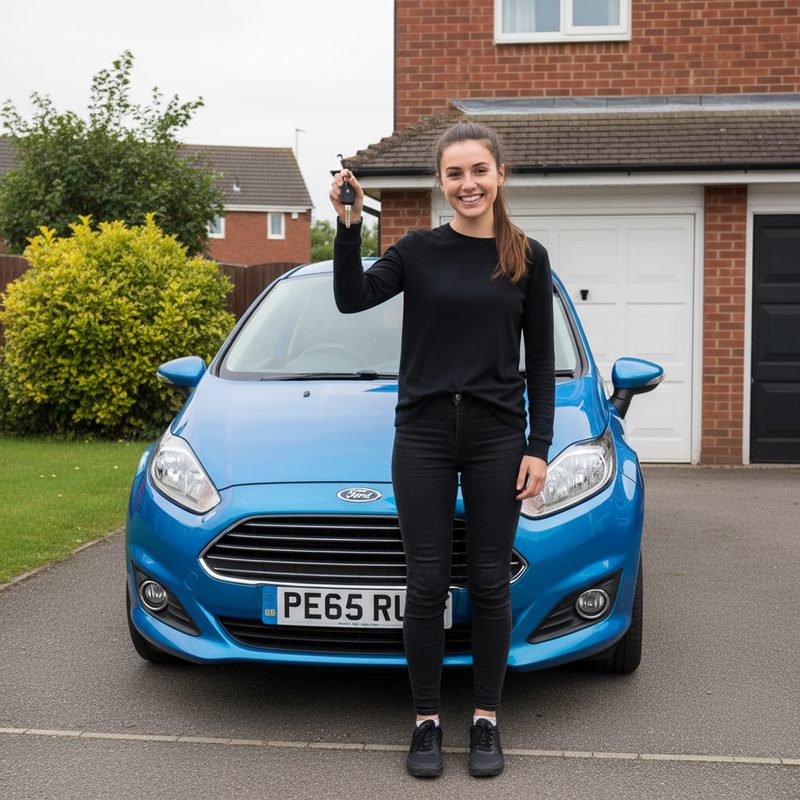
First Car Buying Checklist — Everything a New Driver Needs to Know
Navigating the first car purchase can be daunting. This comprehensive checklist covers everything new drivers need to know to make an informed decision.
Understanding Your Budget
Buying your first car is an exciting milestone, but it can also be a daunting experience, especially when it comes to budgeting. Before you even step foot on a dealership lot or browse online listings, it’s crucial to understand what you can afford. This means not just the purchase price, but also ongoing costs like insurance, fuel, maintenance, and road tax.
Initial Purchase Price
Start by determining how much you can spend on the car itself. In the current market, you can find decent first cars ranging from £3,000 to £12,000. If you're on a tighter budget, consider looking at options under £6,000, which can still provide reliable vehicles. For example, cars like the Ford Fiesta or Vauxhall Corsa are popular choices that often fall within this price range. You can check out my recommendations for the Best First Cars Under £6000 — Dave Recommends.
Ongoing Costs
Once you have a purchase price in mind, factor in the ongoing costs. Insurance premiums for new drivers can be particularly high, often ranging from £1,000 to £2,000 annually, depending on the car's insurance group. Fuel costs will also vary based on the vehicle's efficiency. For instance, a petrol car might cost around £100 a month in fuel, while a diesel could be slightly less. Don’t forget about maintenance and road tax, which can add another £50-£100 monthly to your budget.
Total Monthly Budget Example
To give you a clearer picture, let’s break down a realistic monthly budget for a new driver:
- Car Loan Payment: £150
- Insurance: £120
- Fuel: £100
- Maintenance: £50
- Road Tax: £20
Total: £440
This budget can vary significantly based on your choices, so it’s wise to do thorough research before making any commitments.
Choosing the Right Car
With your budget set, the next step is to choose the right car. This is where personal preferences and practical needs come into play. Are you looking for something compact for city driving, or do you need a bit more space for family or friends? Here are some factors to consider:
Size and Space
For first-time drivers, a smaller car is often easier to handle and park. Models like the Mini Cooper or Peugeot 208 are excellent for urban environments. However, if you need more room, consider hatchbacks like the Skoda Octavia, which offer a good balance of space and drivability.
Fuel Type
Another important consideration is whether to go for petrol or diesel. Petrol cars are generally cheaper to buy and maintain, making them a popular choice for new drivers. Diesel vehicles, while often more fuel-efficient, can be more expensive upfront and may not be the best choice if you’re primarily driving short distances. For a deeper dive into this topic, check out my guide on whether a new driver should buy diesel or petrol.
Reliability and Safety
Reliability is paramount for first-time drivers. You don’t want to be stuck on the side of the road with a car that breaks down frequently. Brands like Toyota and Honda are known for their reliability, making them excellent choices for new drivers. Additionally, safety features should not be overlooked. Look for cars with good Euro NCAP ratings and features like ABS, electronic stability control, and multiple airbags.
Insurance Reality
Insurance can be one of the most significant costs associated with owning a car, especially for new drivers. Understanding how insurance groups work and what factors influence your premium can save you a lot of money.
Insurance Groups Explained
Cars are classified into insurance groups ranging from 1 to 50, with lower numbers indicating cheaper insurance. For example, a car in group 1 will generally have lower premiums than one in group 20. As a new driver, it’s wise to aim for cars in the lower insurance groups. You can find a list of these groups on the Thatcham insurance groups website.
Typical Quotes for New Drivers
For a 17-25 year old, insurance quotes can vary widely based on the car model and your driving history. On average, expect to pay between £1,000 and £2,000 annually. However, opting for a car with a lower insurance group can significantly reduce your premium. For instance, the Ford Fiesta is often cited as one of the cheapest cars to insure for new drivers.
Tips to Lower Premiums
There are several strategies to help bring down your insurance costs:
- Increase Your Excess: Opting for a higher voluntary excess can lower your premium, but ensure you can afford the excess in case of a claim.
- Consider a Black Box: Installing a telematics device can demonstrate safe driving, potentially lowering your premium.
- Limit Modifications: Stick to standard models without modifications, as these can increase your insurance costs.
Running Costs Breakdown
Understanding the running costs of your first car is essential for long-term financial planning. Beyond the initial purchase price and insurance, there are various ongoing expenses to consider.
Fuel Costs
Fuel costs will depend on your driving habits and the car’s fuel efficiency. A car that averages 50 mpg will cost significantly less to run than one that only achieves 30 mpg. If you drive a lot, consider a car that offers better fuel economy, as this can save you hundreds of pounds annually.
Maintenance and Repairs
Regular maintenance is crucial for keeping your car in good shape. Budget around £50-£100 monthly for routine services, which include oil changes, tyre rotations, and brake checks. Additionally, set aside some funds for unexpected repairs, as even the most reliable cars can encounter issues.
Road Tax
Road tax is another ongoing cost that varies based on the car's emissions. For many smaller, efficient cars, you might pay as little as £20 per year, while larger vehicles can cost significantly more. You can check the road tax rates on the GOV.UK road tax checker.
Safety Features That Matter
Safety should be a top priority when selecting your first car. While Euro NCAP ratings are a good starting point, understanding the specific features that enhance safety can make a real difference for inexperienced drivers.
Essential Safety Features
Look for cars equipped with features such as:
- Anti-lock Braking System (ABS): Prevents the wheels from locking during braking, helping maintain steering control.
- Electronic Stability Control (ESC): Helps prevent skidding and loss of control, particularly in slippery conditions.
- Multiple Airbags: Front, side, and curtain airbags provide crucial protection in the event of a collision.
- Rear Parking Sensors: These can help new drivers avoid accidents while reversing, making parking much easier.
Advanced Driver Assistance Systems (ADAS)
Many modern cars come with advanced safety technologies like lane departure warning, adaptive cruise control, and automatic emergency braking. While these features can add to the cost, they significantly enhance safety and can be particularly beneficial for new drivers who may not yet have the experience to react quickly in emergencies.
Common Mistakes First-Time Buyers Make
Even with the best intentions, first-time buyers often make mistakes that can lead to regret later on. Here are some common pitfalls to avoid:
Skipping the Vehicle History Check
One of the biggest mistakes is not checking the vehicle's history before purchase. Always run a check using the DVLA vehicle check to ensure the car hasn’t been written off or has outstanding finance. This can save you from buying a car that could cause you headaches down the line.
Ignoring the Test Drive
Some buyers get so excited about a car that they skip the test drive. This is a critical step! A test drive allows you to assess how the car handles and whether it meets your comfort and driving style. Pay attention to how it feels on the road, any unusual noises, and the visibility.
Overlooking Insurance Costs
Many first-time buyers focus solely on the purchase price and forget to consider insurance costs. Always check the insurance group before committing to a car. This can drastically affect your overall budget.
Dave's Final Word
Buying your first car is a significant step, and it’s essential to approach it with the right mindset and information. Take your time, do your research, and don’t rush into a decision. Always check any car with my free vehicle intelligence report before buying to ensure you’re making a sound investment. Remember, this car will be your companion on the road, so choose wisely and enjoy the journey ahead. Happy driving!
Check any car with Dave's free vehicle intelligence report before buying
Get Dave's free AI-powered vehicle check before you make a decision.