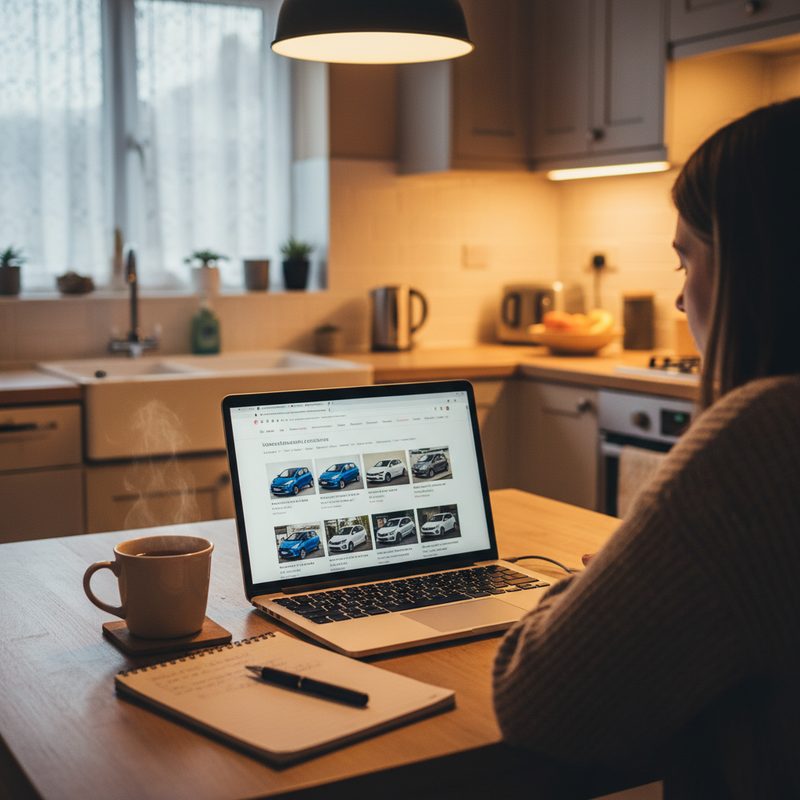
Buying a Used Car from a Distance — What to Know — Dave's Complete Guide
The perfect car might be hundreds of miles away. Here's how to buy safely from a distance including remote checks, inspections, and collection logistics.
Buying a Used Car from a Distance: What to Know
Sometimes the perfect car is three hundred miles away. In a market where specific models, specifications, or price points might only appear once or twice nationally, limiting your search to local sellers means potentially missing out on the best deals.
Buying from a distance introduces risks that local purchases do not, but with the right approach, those risks are entirely manageable. Dave has bought cars from across the UK and knows exactly How to do it safely.
When Distance Buying Makes Sense
Long-distance purchases are worth considering when:
- You are looking for a specific model or variant that is rare in your area
- The price difference justifies the travel cost and inconvenience
- You have found a particularly well-maintained example with comprehensive documentation
- Online dealers like Cazoo or Cinch operate a delivery model specifically designed for remote purchases
The savings need to be meaningful to justify the effort. If the same car is available locally for five hundred pounds more, the convenience of a local purchase usually outweighs the saving. But a difference of one thousand five hundred to two thousand pounds or more makes the trip worthwhile.
Research Before Travelling
Before committing to a multi-hour journey, exhaust every remote checking option available:
Run an HPI check. This is absolutely non-negotiable for distance purchases. You need to know the car is finance-free, not stolen, and has consistent mileage before you invest time and money travelling.
Check the MOT history. This free service reveals the car complete test record. Cross-reference mileage entries with what the seller claims. Look for advisories that might indicate ongoing issues.
Request detailed photographs. Ask the seller for close-up photos of any areas of concern: the bodywork, interior wear, tyre tread, engine bay, and underside. Genuine sellers will provide these willingly. Reluctance to send photos is a warning sign.
Ask for a video walkaround. Most sellers with smartphones can record a brief video showing the car starting from cold, the engine running, a walk around the exterior, and the interior condition. This reveals things that photographs cannot.
Have a detailed phone conversation. Speak to the seller directly and ask specific questions about the car condition, history, and reason for sale. Listen for hesitation or inconsistency.
Verify the seller identity. For private sales, confirm that the seller name and address match the V5C details. Ask for the postcode and cross-reference with the listing location.
Arranging an Independent Inspection
For distance purchases, a professional pre-purchase inspection is even more valuable than usual. You can book an AA or RAC inspection at the seller location without travelling yourself.
The inspector will examine the car, conduct a road test, and send you a detailed report. If the report is clean, you travel with confidence. If it flags problems, you have saved yourself a wasted journey.
The cost is around one hundred and fifty pounds, which is far less than the train fare, fuel, and lost time of travelling to view a car that turns out to be a disappointment.
If You Decide to Travel
Plan the trip practically:
Book flexible transport. Trains are usually the best option for reaching the seller. Book flexible tickets so you can adjust times if the viewing runs long or short. If driving, bring someone who can drive your current car back.
Budget for the trip. Factor in transport costs, meals, and potentially accommodation if the distance is extreme. Add these to the car price when calculating whether the deal still makes financial sense.
Arrange insurance in advance. Have a policy ready to activate on the day of collection. You cannot legally drive the car home without cover. Our guide on insuring before collection covers the options.
Prepare road tax. Tax the vehicle through the DVLA before you arrive, or be ready to do it on your phone immediately after completing the purchase.
Bring everything you need. Driving licence, proof of insurance, payment method, receipt template, a torch for inspection, and comfortable clothes for a potentially long drive home.
Payment for Distance Purchases
The payment element of distance buying requires extra caution:
Never transfer money before viewing the car. No matter how convinced you are, no matter how persuasive the seller, do not send funds until you have physically inspected the vehicle. Deposit requests for sight-unseen cars are a classic scam.
Bank transfer is the standard method. Complete the transfer while you are with the seller and wait for confirmation that the money has arrived before collecting the car.
If buying from a dealer, pay part by credit card for Section 75 protection. This gives you powerful consumer protection if the car turns out to have undisclosed faults.
Online Car Dealers
Platforms like Cazoo, Cinch, and some traditional dealers now offer home delivery nationwide. This fundamentally changes the distance buying equation:
Benefits:
- The car comes to you, eliminating travel costs and inconvenience
- Consumer Contracts Regulations give you a 14-day cooling-off period
- During those 14 days, you can return the car for any reason for a full refund
- Professional preparation and multi-point inspection before delivery
Risks:
- You cannot inspect or test drive before purchase
- Photos and descriptions may not capture every imperfection
- Delivery condition might differ from preparation condition
The 14-day cooling-off period is your safety net with online purchases. Use it properly: inspect the car thoroughly when it arrives, take a long test drive, and get an independent inspection if you have any concerns. Do not let the convenience of delivery make you complacent.
The Drive Home
A long drive home in an unfamiliar car requires planning:
Fuel up immediately after purchase. You do not know how much fuel is in the tank, and running out on a motorway is dangerous and embarrassing.
Take it easy for the first thirty minutes. Get used to the controls, the braking feel, and the car behaviour before pushing it.
Plan rest stops for journeys over two hours. Fatigue in an unfamiliar car is more dangerous than in your regular vehicle because you are processing more information.
Have breakdown cover in place. Even with a pre-purchase inspection, things can go wrong. AA, RAC, or Green Flag cover for the journey home is worth the small cost.
When to Walk Away
Sometimes you travel hundreds of miles only to find the car does not match the description. This is disappointing but it happens. Walking away from a bad deal after a long journey is psychologically difficult, but financially essential.
Do not let sunk cost fallacy drive your decision. The money spent on travel is gone whether you buy the car or not. Buying a problem car to justify the trip just adds more cost to a bad situation.
Signs that should make you walk away regardless of travel investment:
- The car condition is materially different from the description or photos
- The seller cannot provide documents they promised
- New damage has appeared since photos were taken
- The car does not start from cold as expected
- Your gut feeling says something is wrong
Dave Bottom Line
Distance buying opens up the entire UK market and can deliver exceptional value. But it requires more diligence, more preparation, and more discipline than local purchases. Do your homework remotely, get an independent inspection before travelling, and never let the distance travelled influence your buying decision. The right car at the right price is worth the journey. The wrong car is not worth any journey.
Use Dave to check any car you're considering
Get Dave's free AI-powered vehicle check before you make a decision.