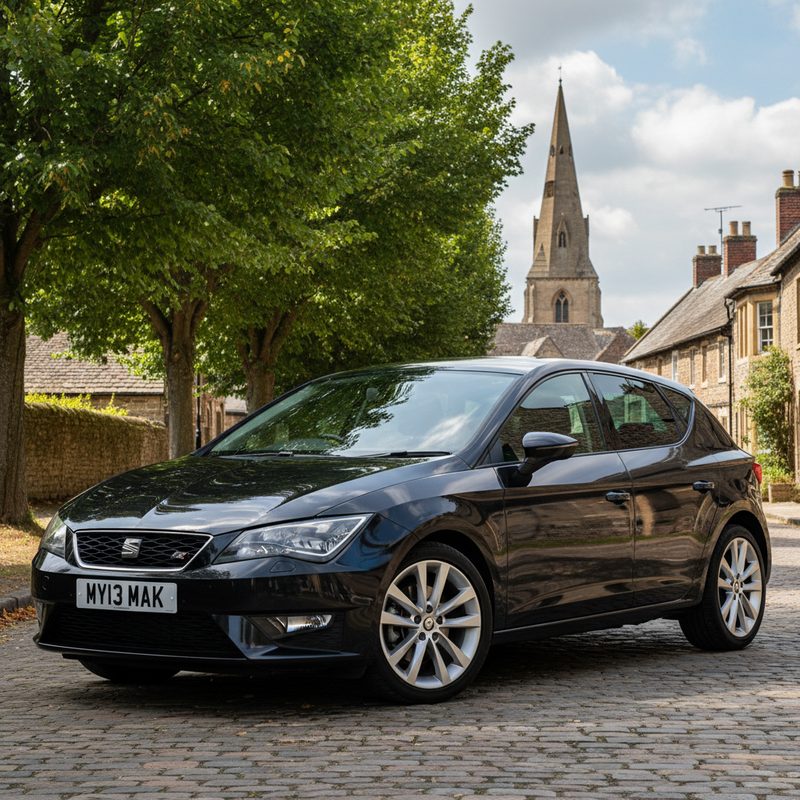
Should I Buy a 2019 SEAT Leon FR
Considering a 2019 SEAT Leon FR? This guide covers everything you need to know about its performance, common issues, and running costs to help you decide.
Overview of the 2019 SEAT Leon FR
The 2019 SEAT Leon FR is a sporty variant of the popular Leon hatchback, designed to appeal to those who want a blend of performance and practicality. With its sharp styling, engaging driving dynamics, and a range of efficient engines, the Leon FR stands out in the competitive compact car market. It’s built on the Volkswagen Group’s MQB platform, which means it shares many components with other well-regarded models like the Volkswagen Golf and Audi A3.
In terms of performance, the Leon FR offers a choice of petrol and diesel engines, with power outputs ranging from 115 to 190 bhp. The FR trim level adds sporty touches such as a sportier suspension setup, larger alloy wheels, and distinctive styling elements, making it an attractive option for those who enjoy a spirited drive.
However, before you rush out to buy one, it’s essential to consider various factors, including common problems, running costs, and the overall reliability of the model. This guide will provide you with a comprehensive overview to help you make an informed decision.
Common Problems and Known Issues
While the 2019 SEAT Leon FR generally enjoys a solid reputation for reliability, like any vehicle, it’s not without its issues. Here are some common problems reported by owners:
1. Electrical Issues
One of the most frequently reported problems involves electrical faults. Owners have noted issues with the infotainment system, including glitches and occasional failures to connect to smartphones via Bluetooth. While these problems are often software-related and can be resolved with updates, they can be frustrating for users who rely on technology for navigation and entertainment.
2. DSG Transmission Concerns
If you opt for the automatic version with the DSG (Direct Shift Gearbox), be aware that some drivers have reported hesitation during gear changes. This can be particularly noticeable during low-speed manoeuvres. While many owners are satisfied with the DSG's performance, it’s worth ensuring that the transmission has been well-maintained, as neglect can lead to costly repairs.
3. Suspension Wear
The sporty suspension setup on the FR model can lead to premature wear on components like shock absorbers and bushes, especially if the car has been driven aggressively. If you're considering a used Leon FR, it’s wise to check for any signs of suspension issues, such as unusual noises or a harsh ride.
4. Engine Problems
Some owners have reported issues with the 2.0-litre TDI diesel engine, particularly related to the diesel particulate filter (DPF). If the DPF becomes clogged, it can lead to reduced performance and increased emissions. Regular long drives can help keep the DPF clear, but if the previous owner primarily used the car for short trips, this could be a concern.
5. Paint Quality
A few users have mentioned that the paint quality can be subpar, leading to chips and scratches more easily than expected. If you’re buying a used model, inspect the exterior carefully for signs of wear and tear.
MOT Failure Patterns
When considering a used car, it’s crucial to understand common MOT failure patterns. For the 2019 SEAT Leon FR, the following issues have been noted in MOT tests:
1. Lights and Indicators
One of the most frequent reasons for failure is related to lights and indicators. This includes issues like blown bulbs or malfunctioning brake lights. Always check that all lights are functioning correctly before purchasing.
2. Suspension and Steering
As mentioned earlier, suspension wear can lead to MOT failures. Inspect the suspension components for any signs of damage or excessive play. Steering issues can also arise, so ensure that the steering feels responsive and free of any unusual noises.
3. Emissions
Diesel models, particularly those with DPF issues, can fail on emissions tests. Ensure that the vehicle has been regularly serviced and that the DPF is in good condition. A vehicle that has been predominantly used for short trips may struggle to pass emissions tests due to a clogged DPF.
4. Brakes
Brake performance is critical for safety, and any signs of wear, such as grinding noises or a spongy pedal feel, should be investigated. Ensure that the brake pads and discs are in good condition to avoid MOT failures.
5. Tyres
Tyre condition is another common failure point. Check for adequate tread depth and any signs of uneven wear. The legal minimum tread depth is 1.6mm, but for safety and performance, aim for at least 3mm.
What You Should Expect to Pay
When it comes to pricing, the cost of a 2019 SEAT Leon FR can vary significantly based on factors such as mileage, condition, and whether it has a full service history. Here’s a breakdown of what you can expect:
1. Price Ranges
- Low Mileage (under 20,000 miles): Expect to pay between £18,000 and £22,000 for a well-maintained example. These cars often come with the remainder of the manufacturer’s warranty, which can provide peace of mind.
- Average Mileage (20,000 to 40,000 miles): Prices typically range from £15,000 to £18,000. Look for cars with a full service history, as this can indicate that the previous owner took good care of the vehicle.
- Higher Mileage (over 40,000 miles): You can find models priced between £12,000 and £15,000. While these may be more affordable, ensure that you thoroughly check for any signs of wear and tear, particularly in the areas mentioned earlier.
2. Additional Costs
When budgeting for your purchase, consider additional costs such as road tax, insurance, and servicing. The Leon FR typically falls into insurance groups 24 to 30, depending on the engine variant, so expect insurance premiums to range from £600 to £1,000 per year for an average driver.
Fuel costs will depend on your choice of engine. The petrol variants can achieve around 40-50 mpg, while the diesel models can reach up to 60 mpg. This makes the Leon FR relatively economical for a sporty hatchback. Regular servicing costs can vary but expect to pay around £150 to £300 per service, depending on whether you go to a main dealer or an independent garage.
Running Costs Overview
Understanding the running costs of the 2019 SEAT Leon FR is essential for budgeting purposes. Here’s a breakdown of what you can expect:
1. Fuel Economy
As mentioned, the petrol engines offer decent fuel economy, with the 1.5 TSI variant providing around 47-50 mpg in real-world driving conditions. The 2.0 TDI diesel engine is even more efficient, often achieving around 55-60 mpg. This makes the Leon FR a good choice for those who want performance without sacrificing fuel efficiency.
2. Insurance Costs
Insurance is a significant ongoing cost for any vehicle. For the Leon FR, expect to pay between £600 and £1,000 annually, depending on your driving history and location. It’s advisable to shop around for quotes and consider factors like excess levels and coverage options.
3. Maintenance and Servicing
Regular maintenance is key to keeping your Leon FR running smoothly. Annual servicing costs can range from £150 to £300, depending on whether you choose a main dealer or an independent garage. Additionally, budget for occasional repairs, especially if you’re buying a higher-mileage model.
4. Road Tax
Road tax for the 2019 SEAT Leon FR varies depending on the engine and emissions. Generally, you can expect to pay between £150 and £200 annually. Check the specific vehicle’s emissions rating to get an accurate figure.
Dave's Honest Verdict
So, should you buy a 2019 SEAT Leon FR? Overall, it’s a solid choice for anyone looking for a sporty hatchback that combines performance with practicality. The FR trim offers a good balance of features, and the driving experience is engaging, making it a joy to drive.
However, it’s crucial to be aware of the potential pitfalls. Electrical issues, DSG transmission concerns, and suspension wear are all factors to consider. If you’re buying used, ensure you have a thorough inspection done, and check the service history to avoid any nasty surprises.
In conclusion, if you find a well-maintained example with reasonable mileage and a full service history, the 2019 SEAT Leon FR can be a great buy. Just be prepared for the running costs and keep an eye on common issues. If you’re unsure, consider checking any SEAT Leon instantly with Dave's free vehicle intelligence report to make an informed decision. Happy car hunting!