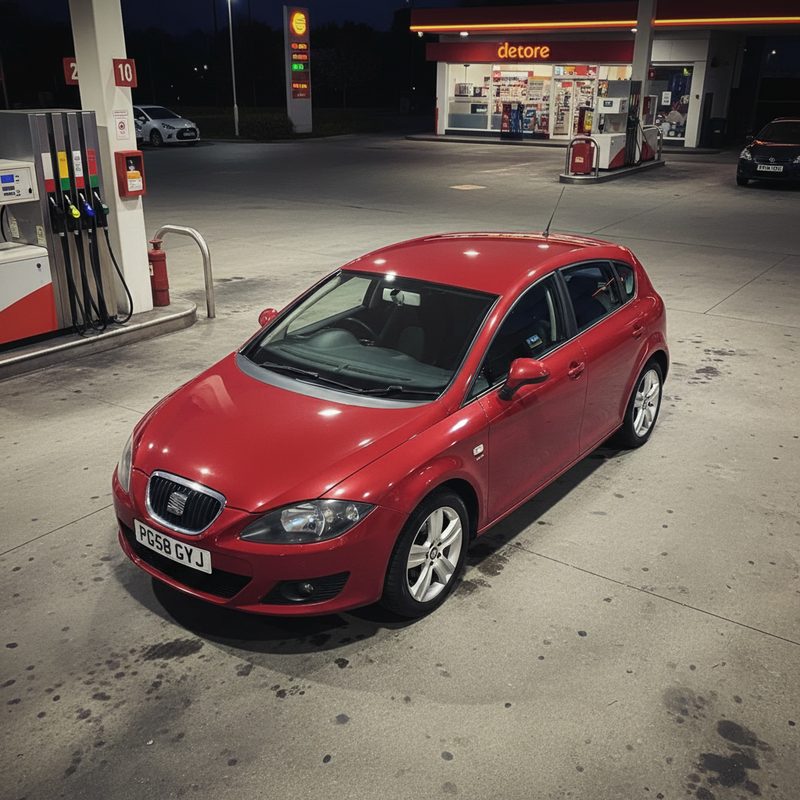
SEAT Leon Running Costs: Cheaper Than a Golf
This guide delves into the running costs of the SEAT Leon, highlighting its affordability compared to the Golf and offering practical tips for potential buyers.
Understanding the SEAT Leon's Running Costs
When considering a used car, understanding the running costs is crucial for making an informed decision. The SEAT Leon, a popular hatchback, is often compared to its rival, the Volkswagen Golf. However, many potential buyers may not realise that the Leon can be more economical in terms of overall ownership costs. This guide will break down the various expenses associated with owning a SEAT Leon, providing a comprehensive overview for the typical UK driver covering around 10,000 miles per year.
Total Annual Cost Estimate Breakdown
To provide a realistic estimate of the annual running costs for a SEAT Leon, we’ll consider a typical scenario for a UK driver. Assuming the driver covers 10,000 miles annually, we will break down the costs into several categories: insurance, fuel, servicing, repairs, and miscellaneous expenses.
-
Insurance: The average insurance premium for a SEAT Leon varies based on the model and the driver’s profile. For a driver aged 30, the annual insurance cost can range from £600 to £800, depending on the specific model and insurance group.
-
Fuel: The SEAT Leon is known for its fuel efficiency, with real-world miles per gallon (MPG) often falling short of manufacturer claims. For example, a petrol model may claim up to 50 MPG, but real-world figures might be closer to 42 MPG. With current petrol prices averaging around £1.50 per litre, a driver covering 10,000 miles would spend approximately £1,250 on fuel annually.
-
Servicing: Regular servicing is essential for maintaining the vehicle's performance. A minor service typically costs around £150, while a major service can range from £300 to £400. Assuming one minor and one major service per year, the total servicing cost would be around £550.
-
Repairs and Maintenance: Setting aside a budget for unexpected repairs is wise. A reasonable estimate for repairs might be £300 annually, covering wear and tear items.
-
Miscellaneous Costs: This includes road tax, MOT, and other minor expenses, which can total around £200 per year.
Adding these figures together, the total annual running cost for a SEAT Leon comes to approximately £2,950. This figure can vary based on driving habits, model choice, and other factors, but it provides a solid baseline for potential buyers.
Insurance Costs Breakdown
Insurance is one of the most significant ongoing costs for any vehicle owner. The SEAT Leon falls into various insurance groups, typically ranging from group 12 to group 20, depending on the model and engine size. Here’s a breakdown of typical annual insurance costs by age bracket:
- Under 25: £1,200 - £1,800
- 25-35: £600 - £900
- 35-50: £500 - £700
- 50+: £400 - £600
To reduce insurance premiums, consider the following tips:
- Increase your excess: Opting for a higher voluntary excess can lower your premium.
- Limit your mileage: If you can, reduce your annual mileage, as lower usage can lead to lower premiums.
- Add a named driver: Adding an experienced driver to your policy can sometimes reduce costs.
- Shop around: Use comparison websites to find the best deals.
By employing these strategies, you can significantly reduce your insurance costs, making the SEAT Leon even more appealing as a budget-friendly option.
Fuel Costs Analysis
Fuel costs are a major component of running expenses, and the SEAT Leon is generally fuel-efficient. However, real-world MPG often differs from manufacturer claims. For instance, while a diesel variant might claim around 60 MPG, actual driving conditions may yield around 52 MPG.
At current petrol prices of approximately £1.50 per litre, let’s calculate the fuel costs for a typical driver:
- Annual mileage: 10,000 miles
- Average MPG: 42 (for petrol) or 52 (for diesel)
- Fuel consumption:
- Petrol: 10,000 miles / 42 MPG = 238.1 gallons = 1,080 litres
- Diesel: 10,000 miles / 52 MPG = 192.3 gallons = 874 litres
Calculating the annual fuel spend:
- Petrol: 1,080 litres x £1.50 = £1,620
- Diesel: 874 litres x £1.50 = £1,311
Thus, the annual fuel cost for a petrol SEAT Leon would be around £1,620, while a diesel variant would cost approximately £1,311. However, driving style can significantly impact fuel efficiency. Smooth acceleration and braking, maintaining a steady speed, and avoiding excessive idling can all help improve MPG.
Servicing Costs Explained
Regular servicing is vital for keeping your SEAT Leon in top condition. The servicing schedule typically includes:
- Minor Service: Includes oil and filter change, checks on brakes, lights, and tyres. Costs around £150.
- Major Service: Involves a more thorough inspection, including air filter, fuel filter, and spark plug changes. Costs between £300 and £400.
Choosing between a dealer and an independent garage can affect costs. Dealer servicing tends to be pricier, with minor services costing around £200 and major services up to £500. Independent garages may offer similar services at lower prices, making them a more economical choice.
For those who are handy, DIY servicing can save money. Basic tasks like oil changes can be done at home, with costs for oil and filters typically around £50. However, it’s essential to ensure that any DIY work is done correctly to avoid voiding warranties or causing further issues.
Common Repair Costs
While the SEAT Leon is generally reliable, certain repairs are more common as the vehicle ages. Here’s a breakdown of typical repair costs:
- Brakes: Front brake pads can cost around £100-£150 to replace, while rear pads may be slightly cheaper. Expect to replace them every 30,000 to 40,000 miles.
- Tyres: A set of four mid-range tyres can cost between £300 and £500, depending on the brand and size. Tyres should be replaced every 20,000 to 30,000 miles, depending on driving style and conditions.
- Suspension: Replacing shock absorbers can cost around £400-£600, typically needed every 60,000 miles.
- Clutch: A clutch replacement can be a significant expense, costing between £500 and £800, usually required every 80,000 to 100,000 miles.
- Timing Belt/Chain: Replacement costs can range from £300 to £600, depending on the engine type, and should be done every 60,000 to 100,000 miles.
By being aware of these potential costs, Leon owners can budget accordingly and avoid unexpected financial burdens.
Wear Items and Consumables
In addition to major repairs, certain consumables need regular replacement. These include:
- Oil and Filters: Regular oil changes are essential for engine health. Expect to pay around £50 for oil and filter changes during minor services.
- Brake Pads and Discs: As mentioned, brake pads need replacing every 30,000 to 40,000 miles, with costs around £100-£150.
- Wiper Blades: These should be replaced at least once a year, costing around £20-£30 for a set.
- Air Filters: These should be replaced every 20,000 miles, costing around £20.
By keeping track of these wear items, owners can ensure their SEAT Leon remains in good condition without incurring excessive costs.
Comparison with Rivals
When comparing the SEAT Leon to its rivals, such as the Volkswagen Golf, Ford Focus, and Vauxhall Astra, it’s essential to consider running costs. Here’s a quick comparison:
- Volkswagen Golf: Generally higher insurance premiums, averaging £700-£900 for similar models. Fuel efficiency is comparable, but servicing costs are often higher, with minor services around £250.
- Ford Focus: Similar insurance costs to the Leon, but fuel efficiency can be slightly lower, leading to higher annual fuel costs. Servicing is comparable, with minor services around £150.
- Vauxhall Astra: Insurance costs are similar, but the Astra may incur higher repair costs, particularly for suspension and clutch replacements.
Overall, the SEAT Leon tends to offer lower running costs compared to these rivals, making it a more economical choice for budget-conscious buyers.
Dave's Money-Saving Tips
To further reduce running costs for your SEAT Leon, consider the following actionable tips:
- Join a Car Club: Many car clubs offer discounts on parts and services, which can help reduce maintenance costs.
- Use Fuel Apps: Apps that track fuel prices can help you find the cheapest petrol stations in your area, saving you money at the pump.
- Regular Maintenance: Keeping up with regular servicing can prevent costly repairs down the line. A well-maintained car is less likely to suffer from major issues.
- Shop for Tyres: Compare prices online before purchasing new tyres. Many retailers offer price matching or discounts for bulk purchases.
- Consider a Warranty: If buying a used Leon, consider investing in a warranty that covers major repairs, which can save you money in the long run.
Conclusion
The SEAT Leon stands out as a cost-effective option in the competitive hatchback market. With lower insurance premiums, impressive fuel efficiency, and reasonable servicing costs, it offers a compelling alternative to rivals like the Volkswagen Golf. By understanding the various running costs and employing practical money-saving strategies, potential buyers can make an informed decision and enjoy the benefits of owning a SEAT Leon. For those considering a purchase, checking any SEAT Leon with Dave's free vehicle intelligence report can provide valuable insights and peace of mind, ensuring you make a smart investment in your next vehicle.