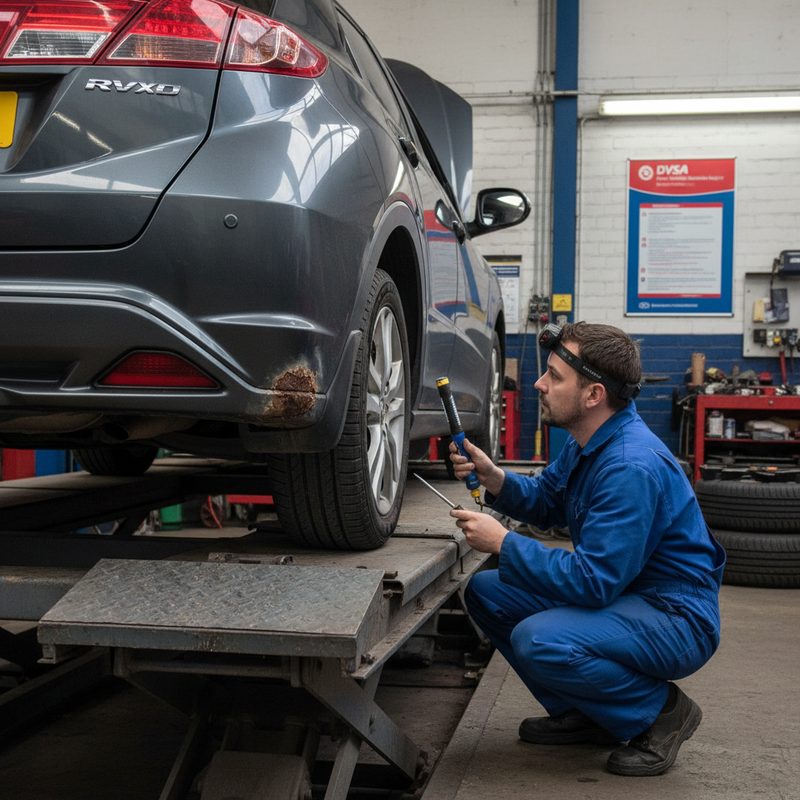
Sill Corrosion MOT Advisory — How Bad Is Rust on Sills
Sill corrosion can be a worrying MOT advisory. This guide breaks down what it means, how serious it is, and what to do next.
Understanding Sill Corrosion
Sill corrosion is a common issue that can arise during an MOT test, and it’s essential to understand what this advisory means for your vehicle. The sills are the structural components located at the bottom of the vehicle's doors, running along the sides. They play a crucial role in maintaining the integrity of the car's structure, and any corrosion in this area can lead to significant problems if not addressed promptly.
When an MOT tester identifies sill corrosion, they will issue an advisory note. This advisory indicates that while the vehicle is still roadworthy, there is a potential issue that could worsen over time. In plain English, it means that rust is present, and if left untreated, it could compromise the vehicle's safety and structural integrity.
What This Advisory Means in Plain English
In simple terms, a sill corrosion advisory means that the metal on the sills of your car is starting to rust. This is not just a cosmetic issue; it can affect the car's safety and performance. The sills are integral to the vehicle's structure, providing support and stability. If the corrosion is severe, it could lead to structural failure, especially in the event of an accident.
Rust can develop due to various factors, including exposure to moisture, road salt, and general wear and tear. In the UK, where roads are often treated with salt during winter months, vehicles are particularly susceptible to rust. The advisory serves as a warning that you should take action to prevent further deterioration.
If you are weighing up alternatives, our guide to Timing Chain Noise MOT Advisory covers similar ground from a different angle.
How Serious Is It? (Minor Annoyance vs Safety Critical)
The seriousness of a sill corrosion advisory can vary significantly. In some cases, it may be a minor annoyance, indicating surface rust that can be easily treated. However, in other instances, it can be a safety-critical issue. The key factors that determine the seriousness include the extent of the corrosion and its location.
If the rust is superficial, affecting only the paintwork and not compromising the metal structure, it may not require immediate attention. However, if the corrosion has penetrated deep into the metal, it could lead to serious structural issues. For example, if the sills are so corroded that they can no longer support the weight of the vehicle, this poses a significant safety risk.
Typical Repair Cost Range
Repair costs for sill corrosion can vary widely based on the severity of the rust and the make and model of the vehicle. On average, you might expect to pay between £200 and £600 for minor repairs, which typically involve sanding down the rust, treating the area with anti-corrosion products, and repainting. However, if the corrosion is extensive, requiring replacement of the sills, costs can escalate to £1,000 or more.
For more on this topic, take a look at our Brake Disc Lipped MOT Advisory guide.
For example, a small hatchback might incur lower repair costs than a larger SUV or luxury vehicle, where parts and labour can be more expensive. It’s also worth considering that some garages may charge more for labour if they need to remove additional components to access the sills. Always seek multiple quotes to ensure you’re getting a fair price.
How Urgent — Can You Wait or Fix Now?
Determining how urgent it is to address sill corrosion depends on the severity of the rust. If the advisory indicates only minor surface rust, you may have some time to plan for repairs. However, if the corrosion is significant, it’s advisable to act quickly. Ignoring the issue can lead to more extensive damage, which could compromise the vehicle's safety and increase repair costs.
In general, if you notice any signs of rust or if the advisory suggests that the corrosion is severe, it’s best to get it checked out as soon as possible. A good rule of thumb is to have the repairs done before the next MOT, as failing to address the issue could lead to a failed test in the future. For ongoing maintenance, regularly checking the sills for signs of rust can help catch issues early.
You might also find our Glow Plug Warning Light MOT Advisory guide useful alongside this one.
What to Watch for If It Appears Repeatedly
If you receive a repeated advisory for sill corrosion during your MOT tests, it’s a clear indication that the issue is not being adequately addressed. This could suggest that the repairs made were insufficient or that the vehicle is particularly prone to rust due to its design or materials used.
When facing repeated advisories, consider the following:
- Quality of Repairs: Were the repairs done correctly? Sometimes, quick fixes can lead to more significant problems down the line.
- Environmental Factors: Is the vehicle regularly exposed to conditions that promote rust, such as wet climates or road salt?
- Vehicle Age: Older vehicles are more susceptible to rust. If your car is getting on in years, it may be worth considering a more thorough inspection or even replacement.
How This Affects the Car's Value and Your Negotiation Position
Sill corrosion can significantly impact your vehicle's value. If you’re looking to sell or trade in your car, a history of sill corrosion advisories can deter potential buyers. They may worry about the long-term implications of rust and the potential for costly repairs.
We have covered related ground in our What Does 'Steering Rack Worn' Mean on an MOT? Serious or Not? guide, which is worth reading if this subject interests you.
When negotiating the price, be prepared to discuss any advisories and repairs. If you’ve had the corrosion treated, provide evidence of the work done. However, if the corrosion remains untreated, be aware that this could lower your bargaining power. Potential buyers may use the advisory as leverage to negotiate a lower price, so it's essential to be transparent about the vehicle's condition.
Real-World Scenarios
Consider a scenario where a buyer is looking at two similar vehicles, both with a history of GOV.UK MOT history service. This means that any attempts to hide or gloss over the issue could backfire, leading to a loss of trust and a potential deal falling through.
You can check the exact safety score for any model on the Euro NCAP website.
Conclusion
Sill corrosion is a common advisory that should not be ignored. Understanding the implications of this advisory can help you make informed decisions about repairs and negotiations. If you find yourself facing a sill corrosion advisory, assess the severity, consider the repair costs, and determine how urgent the repairs are. Regular checks and maintenance can prevent minor issues from becoming major problems.
Before making any decisions, it’s wise to check the vehicle's full MOT history to understand its past issues. Tools like Dave's free vehicle report can provide valuable insights into the car's condition and help you make a smarter buying or selling decision. Remember, when it comes to used cars, knowledge is power, and being informed can save you both time and money in the long run.
Check any car's full MOT history with Dave's free vehicle report
Get Dave's free AI-powered vehicle check before you make a decision.