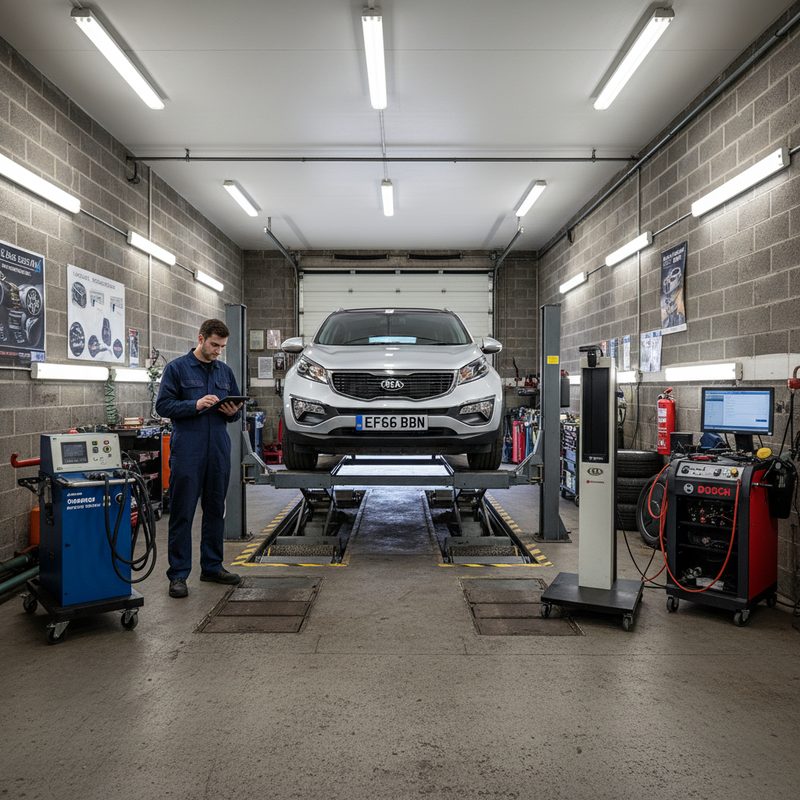
Subframe Corroded MOT Advisory — Major Repair or Write-Off
A corroded subframe advisory can be alarming for car owners. This guide breaks down what it means, repair costs, and how it affects your vehicle's value.
What Does a Subframe Corroded MOT Advisory Mean?
Receiving an MOT advisory for a corroded subframe can send shivers down any car owner's spine. But what does it actually mean? In plain English, a corroded subframe indicates that the structural component of your vehicle, which supports the body and suspension, has developed rust or corrosion. This can compromise the integrity of your car, affecting its safety and performance.
The subframe is crucial for maintaining the alignment of your vehicle's wheels and supporting the suspension system. If it’s corroded, it can lead to misalignment, uneven tyre wear, and even more serious issues down the line. Essentially, the advisory is a warning that something needs to be addressed before it escalates into a more severe problem.
You might be wondering how this happens. Over time, exposure to moisture, road salt, and other environmental factors can lead to corrosion. If you live in an area where roads are frequently salted during winter, or if your car has been subjected to a lot of wet conditions, the risk of subframe corrosion increases significantly. It’s not just an aesthetic issue; it’s a functional one that can affect your driving experience.
How Serious Is a Corroded Subframe?
The seriousness of a corroded subframe can vary widely based on the extent of the corrosion. In some cases, it may be a minor annoyance, while in others, it could be a safety-critical issue. So, how do you determine where your situation falls?
If you are weighing up alternatives, our guide to DRL Not Working MOT Advisory covers similar ground from a different angle.
If the corrosion is superficial, affecting only a small area, it might not pose an immediate threat. However, if the corrosion has penetrated deeper, compromising the structural integrity of the subframe, it can lead to significant safety risks. For instance, a severely corroded subframe could lead to suspension failure, which can be catastrophic while driving.
It's crucial to assess the level of corrosion. A visual inspection can sometimes reveal the extent of the damage, but a professional mechanic will be able to provide a more accurate assessment. They can check for signs of rust that may not be immediately visible and evaluate how much of the subframe is affected. If you’re unsure, it’s always best to consult a professional.
Typical Repair Costs for Subframe Corrosion
Now, let’s talk money. How much will it cost to repair a corroded subframe? Repair costs can vary significantly based on the severity of the corrosion and the make and model of your vehicle. On average, you might be looking at anywhere from £200 to £1,500 for repairs.
For more on this topic, take a look at our Corroded Brake Pipe MOT Advisory guide.
For minor corrosion, where only a small section of the subframe needs treatment, you might pay on the lower end of that spectrum. This could involve sanding down the rust, applying a rust inhibitor, and repainting the affected area. However, if the corrosion is extensive, requiring replacement of the entire subframe, you could be facing costs closer to £1,500 or even more.
Additionally, if your vehicle is an older model or a less common make, finding a replacement subframe might be more challenging and expensive. It’s worth noting that some garages may charge more for labour, especially if they have to deal with rusted bolts or other complications during the repair process.
How Urgent Is It? Can You Wait or Fix Now?
After receiving an MOT advisory for a corroded subframe, you might be wondering how urgent the repairs are. Can you wait a bit longer, or should you get it sorted immediately? The answer largely depends on the severity of the corrosion.
You might also find our Tyre Worn Close to Legal Limit MOT Advisory guide useful alongside this one.
If the corrosion is minor and has been assessed as not compromising the structural integrity of the vehicle, you might be able to wait a few months before addressing it. However, it’s essential to keep an eye on it. Regularly check for any changes, and if you notice the corrosion worsening, it’s time to act.
On the other hand, if a mechanic has indicated that the corrosion is significant, it’s best to address it as soon as possible. Driving with a severely corroded subframe can lead to dangerous situations, including loss of control while driving. If you’re unsure about the urgency, it’s always wise to err on the side of caution and consult a professional.
What to Watch For If the Advisory Appears Repeatedly
If you’ve received an MOT advisory for a corroded subframe, it’s essential to monitor the situation closely. But what should you be looking out for? First and foremost, keep an eye on any recurring advisories. If the same advisory appears on subsequent MOTs, it could indicate that the issue isn’t being adequately addressed.
We have covered related ground in our Towbar Electrics Not Working MOT Advisory guide, which is worth reading if this subject interests you.
You should also watch for any changes in your vehicle’s handling. If you notice any unusual noises, vibrations, or changes in steering response, these could be signs that the corrosion is worsening. Additionally, keep an eye on your tyres. Uneven wear could indicate alignment issues stemming from a compromised subframe.
It’s also worth noting that if you do repair the subframe, ensure that the work is done correctly. Poor-quality repairs can lead to the same issues cropping up again, and you don’t want to find yourself back at square one. If you’re considering buying a used car, make sure to check its full MOT history for any previous advisories related to the subframe or other critical components. You can do this easily through the GOV.UK MOT history checker.
How This Affects the Car's Value and Your Negotiation Position
A corroded subframe advisory can have a significant impact on your vehicle's value. If you’re planning to sell your car, be prepared for potential buyers to be wary of this advisory. Many buyers will see a corroded subframe as a red flag, indicating that the car may require extensive repairs in the near future.
You can check the exact safety score for any model on the Euro NCAP website.
This advisory can weaken your negotiating position. If potential buyers see that the car has a history of subframe corrosion, they may offer significantly less than the market value. In some cases, they might even walk away from the deal entirely, preferring to find a vehicle without such issues.
If you’re in the market for a used car, it’s crucial to consider how previous advisories might affect the price. Cars with a history of subframe corrosion may be listed at lower prices, but you need to weigh the potential repair costs against the savings. It’s often a balancing act between getting a good deal and ensuring you’re not inheriting someone else’s problems.
Conclusion
A subframe corroded MOT advisory is not something to take lightly. It can range from a minor annoyance to a serious safety concern, depending on the extent of the corrosion. Understanding the implications of this advisory is crucial for any car owner or potential buyer.
If you’ve received this advisory, it’s essential to assess the severity of the corrosion, consider the potential repair costs, and determine how urgent the repairs are. Keep an eye on any recurring advisories and be mindful of how this issue can affect your vehicle’s value.
Before making any decisions, whether you’re looking to repair or sell, check the full MOT history of your vehicle. You can do this easily through the GOV.UK MOT history checker. This will give you a clearer picture of any past issues and help you make an informed decision. Remember, knowledge is power when it comes to used car ownership, and being proactive can save you a lot of headaches down the line.
If you’re ever in doubt, don’t hesitate to consult a professional mechanic. They can provide invaluable insights and help you navigate the complexities of car maintenance and repairs. After all, your safety on the road depends on it!
Check any car's full MOT history with Dave's free vehicle report
Get Dave's free AI-powered vehicle check before you make a decision.