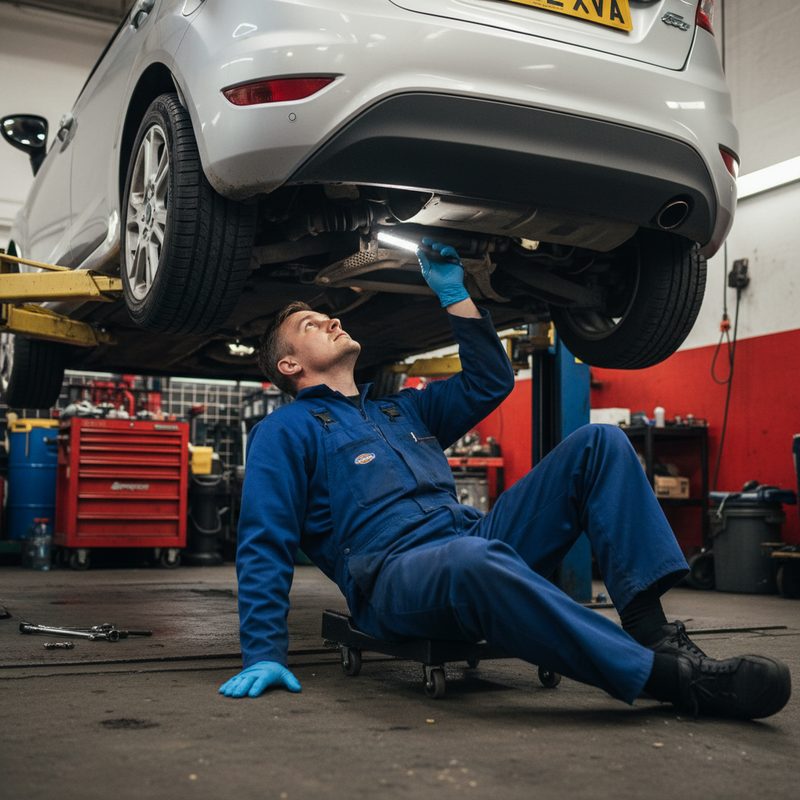
Steering Rack Boot Damaged MOT Advisory — What to Do
A damaged steering rack boot advisory can be concerning. This guide explains what it means, how urgent it is, and what steps to take next.
Understanding the MOT Advisory for a Damaged Steering Rack Boot
So, you’ve just received your MOT results, and there’s an advisory for a damaged steering rack boot. First off, don’t panic! This is a common issue that many drivers face, and understanding what it means can help you make informed decisions about your vehicle.
In plain English, a steering rack boot is a protective cover that shields the steering rack, which is a crucial component of your car’s steering system. The boot keeps dirt, debris, and moisture out of the steering rack, ensuring it operates smoothly. When the boot is damaged, it can lead to contamination of the steering mechanism, which could result in more severe issues down the line. This advisory essentially serves as a warning that while your car may still be roadworthy, it’s time to pay attention to this component.
How Serious Is a Damaged Steering Rack Boot?
Now, let’s talk about how serious this advisory is. In the grand scheme of things, a damaged steering rack boot is often seen as a minor annoyance rather than a safety-critical issue. However, that doesn’t mean you should ignore it. Think of it like a small crack in your windscreen; it might not affect your visibility immediately, but if left untreated, it can worsen and lead to more significant problems.
If you are weighing up alternatives, our guide to Tyre Worn Advisory covers similar ground from a different angle.
If the boot is torn or split, dirt and moisture can enter the steering rack, potentially causing wear and tear on the internal components. This could lead to steering issues, including difficulty in steering or even a complete failure of the steering system if left unchecked. So, while it might not be an immediate danger, it’s certainly not something you want to put off for too long.
Typical Repair Costs for a Damaged Steering Rack Boot
When it comes to fixing a damaged steering rack boot, the costs can vary depending on a few factors, including the make and model of your vehicle and whether you choose to go to a main dealer or an independent garage. On average, you can expect to pay anywhere from £50 to £150 for the repair.
For more on this topic, take a look at our Repeated Steering Rack Worn Advisory guide.
This cost typically covers the replacement of the boot itself, which is usually a straightforward job. However, if the damage has led to further issues within the steering rack, you might be looking at higher costs. In some cases, the entire steering rack may need replacing, which can set you back anywhere from £300 to £800 or more, depending on the vehicle.
It’s always a good idea to get a couple of quotes from different garages to ensure you’re getting a fair price. Additionally, if you’re considering purchasing a used car, it’s wise to check the full MOT history of the vehicle to see if this issue has been flagged before. You can do this easily through the GOV.UK MOT history service.
You might also find our Tyre Inner Edge Wear MOT Advisory guide useful alongside this one.
How Urgent Is the Repair? Can You Wait or Fix It Now?
The urgency of repairing a damaged steering rack boot largely depends on the extent of the damage. If the boot is merely scuffed but still intact, you might have a bit of time before it becomes a pressing issue. However, if you can see a noticeable tear or if the boot is completely split, it’s best to get it sorted as soon as possible.
Ignoring the problem could lead to dirt and moisture entering the steering rack, which could result in more severe damage and higher repair costs down the line. If you’re unsure about the severity of the damage, it’s worth having a mechanic take a look. They can assess the situation and advise you on the best course of action.
We have covered related ground in our Rear Suspension Bush Worn MOT Advisory guide, which is worth reading if this subject interests you.
In general, it’s advisable not to wait too long to address this advisory. A good rule of thumb is to aim to have it fixed within a few weeks of your MOT, especially if you use your car regularly.
What to Watch for if the Advisory Appears Repeatedly
If you find that the damaged steering rack boot advisory appears repeatedly on your MOT reports, it’s a sign that there may be an underlying issue that needs addressing. This could indicate that the boot is not being replaced correctly or that there’s a problem with the steering rack itself, such as misalignment or excessive wear.
You can check the exact safety score for any model on the Euro NCAP website.
Repeated advisories can also affect your car’s value. If a potential buyer sees that this issue has been flagged multiple times, they may be hesitant to purchase the vehicle or may offer a lower price. It’s essential to keep records of any repairs made and to address the issue promptly to avoid further complications.
If you’re in the market for a used car, be sure to check the vehicle’s history for any repeated advisories. You can use the DVLA vehicle check to get detailed information about the car’s past, including any Citizens Advice can help you understand your legal rights.
How This Affects the Car's Value and Your Negotiation Position
A damaged steering rack boot advisory can have a noticeable impact on your car’s value. If you’re looking to sell your vehicle, potential buyers will likely factor in the cost of repairs when making an offer. If they see that the boot has been flagged as an advisory, they may assume that the car has been poorly maintained or that there are other hidden issues.
On the flip side, if you’re buying a used car and notice this advisory on the MOT report, it can give you leverage in negotiations. You can use this information to negotiate a lower price, as you’ll need to factor in the cost of repairs. Just be sure to do your homework and get a rough estimate of repair costs before entering negotiations.
Additionally, if you’re buying from a dealer, they may be more willing to fix the issue before the sale, especially if you raise it as a concern. It’s always worth asking if they’re willing to cover the cost of repairs or reduce the price accordingly.
Conclusion
In summary, a damaged steering rack boot advisory is something that should be taken seriously, but it’s not the end of the world. Understanding what it means, how urgent the repair is, and the potential costs involved can help you make informed decisions about your vehicle.
If you find yourself in this situation, don’t hesitate to get it checked out by a professional. Addressing the issue promptly can save you money in the long run and keep your car in good working order. And remember, whether you’re buying or selling a used car, always check the full MOT history to avoid any nasty surprises down the line.
For a comprehensive overview of your vehicle’s condition, consider using Dave's free vehicle report to check for any past advisories or issues. It’s a smart move that can help you make informed decisions about your car, whether you’re looking to buy or sell.
Stay safe on the roads, and happy driving!
Check any car's full MOT history with Dave's free vehicle report
Get Dave's free AI-powered vehicle check before you make a decision.