VW Tiguan vs BMW X1 — Compact SUV Face-Off
In this comprehensive guide, we compare the VW Tiguan and BMW X1 across various metrics to help you make an informed decision on your next compact SUV.
Quick Verdict
When it comes to choosing between the VW Tiguan and BMW X1, the decision largely hinges on individual priorities. The Tiguan excels in practicality and running costs, making it a strong contender for families and daily commuters. On the other hand, the BMW X1 offers a more premium experience with superior driving dynamics and a luxurious interior, appealing to those who value brand prestige and driving enjoyment. Ultimately, the winner depends on your specific needs, whether that’s space, comfort, or performance.
Running Costs Compared
Insurance Costs
Insurance premiums can vary significantly between the VW Tiguan and BMW X1, depending on the model year, engine size, and your personal driving history. Generally, the Tiguan tends to fall into lower insurance groups compared to the X1. For instance, a 2020 VW Tiguan might sit in group 18-24, while the BMW X1 often ranges from group 22-30. This difference can translate into annual insurance costs of around £600 for the Tiguan versus £800 for the X1, making the former a more budget-friendly option for many buyers.
Fuel Efficiency
When it comes to fuel efficiency, the Tiguan offers a range of engines that can achieve impressive miles per gallon (MPG). The 2.0-litre TDI diesel variant can deliver up to 50 MPG, while petrol models hover around 40 MPG. In contrast, the BMW X1, particularly with its 2.0-litre diesel engine, can achieve similar figures, but typically falls slightly short, averaging around 45 MPG. This difference may seem minor, but over time, it can add up to significant savings, especially for those who drive long distances regularly.
Servicing and Maintenance
Both vehicles are relatively easy to maintain, but servicing costs can differ. The VW Tiguan generally has lower servicing costs, with annual maintenance averaging around £300-£400. In comparison, the BMW X1 tends to be pricier, with servicing costs often reaching £400-£600 per year. This is an important consideration for potential buyers, as ongoing costs can significantly impact overall ownership experience.
Reliability Compared
MOT Pass Rates
Reliability is a key factor when considering a used vehicle. According to the latest data, the VW Tiguan boasts a solid MOT pass rate of approximately 85%, indicating that the majority of these vehicles are well-maintained and reliable. The BMW X1, while also respectable, has a slightly lower pass rate of around 80%. This difference may reflect the higher complexity of BMW vehicles, which can sometimes lead to more frequent repairs.
Common Issues
Both vehicles have their share of common issues. The Tiguan has been reported to experience electrical problems, particularly with the infotainment system and sensors. However, these issues are generally minor and can often be resolved with software updates. The BMW X1, on the other hand, has been noted for issues related to the timing chain and turbocharger, which can be more serious and costly to repair. Buyers should be aware of these potential pitfalls when considering a used model.
Practicality Compared
Boot Space
When it comes to practicality, the VW Tiguan has the upper hand with a larger boot space. The Tiguan offers a generous 615 litres of boot space with the rear seats up, which can expand to 1,655 litres when folded down. This makes it an excellent choice for families or anyone needing to transport larger items. The BMW X1, while still practical, offers a smaller boot capacity of 505 litres, which may be limiting for some users.
Comfort and Interior Quality
In terms of comfort, both vehicles provide a high level of interior quality. The Tiguan features a spacious cabin with ample legroom for both front and rear passengers. The materials used are of good quality, although they may not feel as premium as those found in the BMW. The X1, on the other hand, boasts a more luxurious feel with higher-grade materials and a more refined design. The driving position in the X1 is also slightly more elevated, providing better visibility.
Technology and Features
Both the Tiguan and X1 come equipped with a range of modern technology features. The Tiguan typically includes a user-friendly infotainment system with a decent touchscreen display, smartphone integration, and a good sound system. However, the BMW X1 often edges ahead with its more advanced technology, including a larger display, enhanced navigation features, and a more intuitive interface. For tech-savvy buyers, the BMW X1 may be the more appealing option.
Value for Money — Which Depreciates Less?
Depreciation is a crucial factor when considering the long-term value of a vehicle. Generally, the VW Tiguan holds its value better than the BMW X1. According to industry reports, the Tiguan depreciates at a rate of about 40% over three years, while the X1 can depreciate closer to 50%. This means that if you’re looking for a vehicle that will retain its value, the Tiguan is likely the better investment.
Resale Value
When it comes to resale value, the Tiguan's reputation for reliability and practicality makes it a sought-after model in the used car market. Buyers often prefer it for its spaciousness and lower running costs, which can lead to higher demand and better resale prices. The BMW X1, while still a desirable vehicle, may not command the same resale prices due to its higher depreciation rate and potential maintenance costs.
Dave's Final Call with Specific Scenarios
For Commuters
If you’re a daily commuter, the VW Tiguan is likely the better choice. Its lower running costs, spacious interior, and comfortable ride make it ideal for long journeys. The fuel efficiency of the Tiguan also means you’ll save money at the pump, which can be a significant factor for those who drive extensively.
For Families
For families, the Tiguan again comes out on top. With its larger boot space and rear passenger comfort, it’s well-suited for family outings, school runs, and holidays. The additional space for child seats and luggage is a major advantage, making it a practical choice for parents.
For Driving Enthusiasts
If you’re someone who values driving dynamics and a premium feel, the BMW X1 is hard to beat. Its superior handling, luxurious interior, and advanced technology make it a joy to drive. While it may come with higher running costs, the driving experience it offers can justify the expense for those who prioritise performance and comfort.
For Budget-Conscious Buyers
For budget-conscious buyers, the VW Tiguan is the clear winner. With lower insurance premiums, better fuel efficiency, and reduced servicing costs, it offers a more affordable ownership experience. Additionally, its better depreciation rates mean you’ll likely get more value when it comes time to sell.
Conclusion
In the face-off between the VW Tiguan and BMW X1, both vehicles have their strengths and weaknesses. The Tiguan excels in practicality, running costs, and reliability, making it a fantastic choice for families and commuters. Conversely, the BMW X1 offers a more premium experience with superior driving dynamics and interior quality, appealing to those who value luxury and performance.
Ultimately, the decision comes down to your personal needs and preferences. Whether you prioritise space, comfort, or driving enjoyment, both vehicles have something to offer. Before making a final decision, consider checking any car with Dave's free vehicle intelligence report to ensure you make a well-informed purchase. This tool can provide insights into the vehicle's history, reliability, and overall value, helping you choose the right compact SUV for your lifestyle.
If you are weighing up alternatives, our guide to Vauxhall Corsa vs Renault Clio covers similar ground from a different angle.
For more on this topic, take a look at our Nissan Juke vs Hyundai Kona guide.
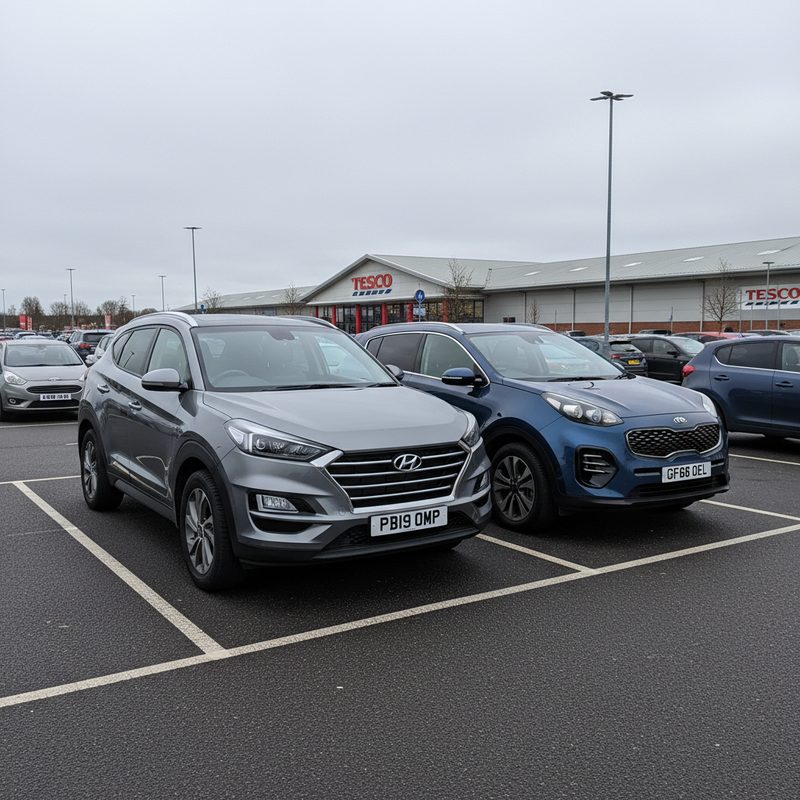
You might also find our Hyundai Tucson vs Kia Sportage guide useful alongside this one.
We have covered related ground in our Toyota Corolla vs VW Golf guide, which is worth reading if this subject interests you.
Check any car with Dave's free vehicle intelligence report
Get Dave's free AI-powered vehicle check before you make a decision.