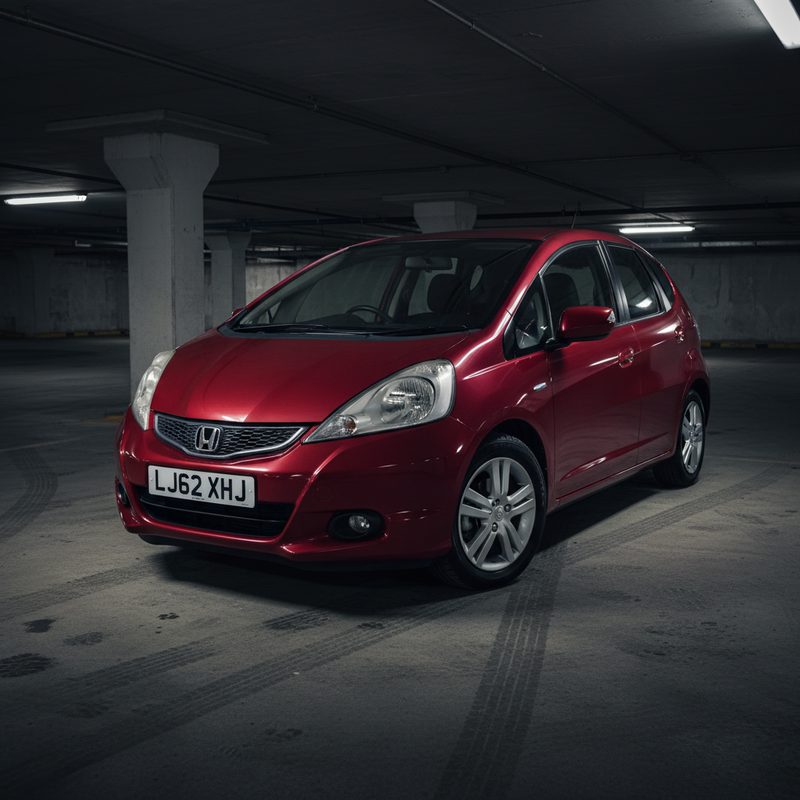
Honda Jazz at 100k Miles: The Unbreakable Supermini
The Honda Jazz is known for its reliability, but what should you expect at 100k miles? This guide covers everything from potential issues to pricing insights.
Introduction
The Honda Jazz is often hailed as one of the most reliable superminis on the market. Known for its spacious interior, practicality, and fuel efficiency, it’s a popular choice among UK drivers. However, when considering a used Honda Jazz, especially one that has clocked 100,000 miles, it’s essential to understand what to expect. In this guide, we’ll delve into the performance, common issues, pricing, and overall value of a Honda Jazz at this mileage.
What to Expect from a Honda Jazz at 100k Miles
At 100,000 miles, a Honda Jazz can still be a solid choice if it has been well-maintained. Generally, these cars are built to last, and many owners report that their Jazz models continue to perform well even beyond this mileage. However, it’s crucial to consider the following aspects:
Engine Performance
The Honda Jazz typically comes with a 1.2-litre or 1.4-litre petrol engine, both of which are known for their longevity. At 100k miles, you should expect the engine to still run smoothly, provided it has received regular oil changes and maintenance. Look for signs of oil leaks or unusual noises, which could indicate underlying issues. If the car has been regularly serviced, it may even have a lot of life left in it.
Fuel Efficiency
Fuel efficiency is one of the Jazz's strong points. Even at 100k miles, you can expect around 45-55 mpg, depending on driving conditions and how the previous owner treated the vehicle. However, if the car has been driven aggressively or has not been maintained well, you might see a drop in fuel economy. Always check the service history for evidence of regular maintenance.
If you are weighing up alternatives, our guide to Ford Fiesta at 100,000 Miles covers similar ground from a different angle.
Interior and Comfort
The interior of the Honda Jazz is designed for practicality, with its Magic Seat system allowing for versatile configurations. At 100k miles, the interior should still be in good condition, but wear and tear can vary significantly based on how the previous owner treated the vehicle. Look for signs of excessive wear on the seats, dashboard, and controls. A well-kept interior can indicate a responsible owner.
Components That Typically Need Attention at This Mileage
While the Honda Jazz is known for its reliability, certain components may require attention as the mileage increases. Here are some key areas to inspect:
Timing Chain/Belt
The Jazz uses a timing chain in its 1.2-litre and 1.4-litre engines, which generally does not require replacement unless there are issues. However, it’s worth checking for any rattling noises that could indicate wear. If you’re considering a model with a timing belt, ensure it has been replaced according to the manufacturer’s schedule, typically around 60,000 to 100,000 miles.
For more on this topic, take a look at our Used Ford Focus with 100k Miles guide.
Suspension Components
At 100k miles, the suspension components, including shock absorbers and bushings, may start to show signs of wear. Listen for any knocking sounds when driving over bumps, which could indicate that the shocks need replacing. A thorough inspection of the suspension system is advisable before making a purchase.
Brake System
Brakes are crucial for safety, and at this mileage, you should check the condition of the brake pads, discs, and fluid. If the previous owner has not replaced the pads and discs regularly, you may need to budget for these replacements soon after purchase. Look for any signs of uneven wear on the brake pads, which could indicate issues with the braking system.
Clutch and Transmission
If you’re looking at a manual Honda Jazz, the clutch may start to show signs of wear at this mileage. Pay attention to how the clutch engages; if it feels spongy or if there’s a lot of travel before it engages, it may need replacing. For automatic models, ensure that the transmission fluid has been changed regularly to avoid costly repairs.
You might also find our Mazda CX-5 at 80,000 Miles guide useful alongside this one.
Is the Price Usually Right for This Mileage? What Discount to Expect
When it comes to pricing, a Honda Jazz at 100k miles can vary significantly based on its condition, service history, and location. Generally, you can expect to pay between £3,000 and £5,000 for a well-maintained model. Here are some tips on pricing:
Market Value
Research the market value of similar models in your area. Websites like AutoTrader and eBay Motors can provide insights into what others are asking for similar vehicles. If you find a Jazz priced significantly higher than the average, it’s worth questioning why.
Discounts for Higher Mileage
Typically, cars with higher mileage will see a discount compared to their lower-mileage counterparts. For a Honda Jazz at 100k miles, you might expect a discount of around 10-20% compared to a similar model with 60,000 miles. This discount can be a great opportunity to snag a reliable car at a lower price, provided you’re willing to accept the potential for some wear and tear.
We have covered related ground in our Ford Fiesta 1.0 EcoBoost With 80,000 Miles guide, which is worth reading if this subject interests you.
Negotiation Tips
When negotiating the price, use any findings from your inspection to your advantage. If you notice any wear on the brakes or suspension, use that as a bargaining chip to lower the price. Be prepared to walk away if the seller isn’t willing to negotiate fairly.
Red Flags in the MOT History at This Mileage
The MOT history of a Honda Jazz can reveal a lot about its condition and how well it has been maintained. Here are some red flags to look out for:
Frequent Failures
If the car has a history of frequent MOT failures, especially for serious issues like emissions or structural integrity, it may be a sign of neglect. Check the reasons for any failures and whether they were addressed promptly.
You can check the exact safety score for any model on the Euro NCAP website.
Advisory Notices
Advisory notices on the MOT can indicate potential future problems. Look for advisories related to brakes, suspension, or exhaust systems, as these may require attention soon. If the advisories have not been addressed over multiple MOTs, it could indicate a lack of care from the previous owner.
Mileage Discrepancies
Always check the mileage recorded on the MOT history against the mileage on the odometer. Discrepancies can be a sign of tampering or misrepresentation. If the mileage appears inconsistent, it’s best to walk away from the deal.
Dave's Verdict: Worth the Risk or Walk Away?
In conclusion, a Honda Jazz at 100k miles can be a worthwhile investment if you do your due diligence. These cars are known for their reliability, and many owners report that their Jazz models continue to serve them well beyond this mileage. However, it’s crucial to:
- Inspect the Vehicle Thoroughly: Pay close attention to the engine, suspension, brakes, and interior condition. A well-maintained Jazz can still provide years of reliable service.
- Check the Service History: Ensure that the car has been regularly serviced and that any major components have been replaced as needed.
- Review the MOT History: Look for any red flags in the MOT history that could indicate underlying issues.
- Negotiate Wisely: Use any findings from your inspection as leverage to negotiate a fair price.
If you find a Honda Jazz that ticks all the right boxes, it could be a fantastic choice for a used car. However, if you encounter significant issues or a lack of maintenance history, it may be best to walk away and look for a better option. Remember, a well-maintained Jazz can serve you well for many more miles, but a neglected one can lead to costly repairs down the line.
Before making a purchase, I recommend checking the mileage history of any Honda Jazz with my free report. It’s a simple step that can save you from potential headaches down the road. Happy car hunting!