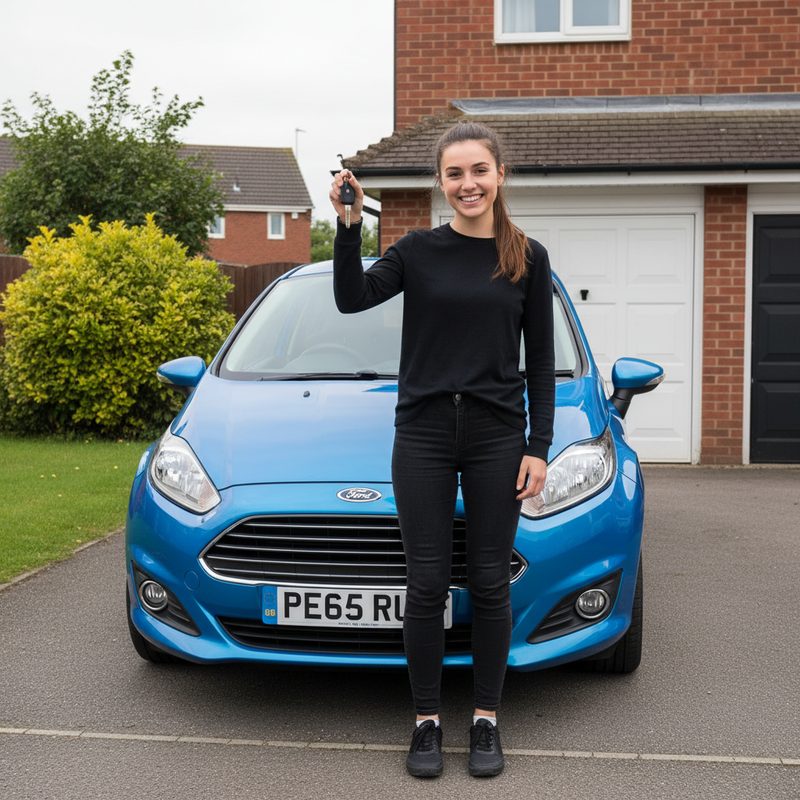
Cheapest Cars to Insure for New Drivers: Dave Recommends
Navigating the world of car insurance can be daunting for new drivers. This guide offers insights into the cheapest cars to insure, along with practical advice and recommendations.
Understanding the Importance of Insurance for New Drivers
For new drivers, the excitement of getting behind the wheel for the first time can quickly be overshadowed by the complexities of car insurance. Insurance is not just a legal requirement; it’s a crucial safety net that protects you financially in case of accidents or damage. However, for many young drivers, insurance premiums can be prohibitively expensive. This is often due to a lack of driving experience, which insurers view as a higher risk. Therefore, choosing a car that is cheaper to insure is a smart move.
In this guide, I’ll walk you through some of the cheapest cars to insure for new drivers, along with essential tips to help you navigate the insurance landscape. Let’s dive in and find the right car for you!
Dave's Genuine Recommendations
When it comes to selecting a first car, I always recommend considering not just the purchase price but also the insurance costs. Here are some of my top picks that balance affordability, reliability, and low insurance premiums.
1. Ford Fiesta
The Ford Fiesta has long been a favourite among new drivers, and for good reason. It’s not only fun to drive but also comes with a range of features that make it a practical choice. The Fiesta is available in various engine sizes, but the 1.0-litre EcoBoost model is particularly appealing for first-time buyers.
One of the standout features of the Fiesta is its insurance group rating, which typically falls between 1 and 10, depending on the model and trim. This means you can find a version that suits your budget while keeping insurance costs low. Additionally, the Fiesta is known for its reliability and decent fuel economy, making it a sensible choice for everyday driving. You can often find a well-maintained used model for around £7,000, making it a solid investment for new drivers.
If you are weighing up alternatives, our guide to Best First Cars Under £5,000 UK covers similar ground from a different angle.
2. Volkswagen Polo
Another excellent choice is the Volkswagen Polo. Known for its build quality and safety features, the Polo is a great option for new drivers who want a bit of style without breaking the bank. The insurance group for the Polo generally ranges from 1 to 12, depending on the specific model.
What sets the Polo apart is its spacious interior and comfortable ride, making it ideal for both city driving and longer journeys. It’s also fuel-efficient, which means you won’t be spending a fortune at the petrol station. Expect to pay around £8,000 for a good used model, which is a reasonable price for a car that offers such a premium feel.
3. Skoda Fabia
The Skoda Fabia is often overlooked, but it’s one of the best-kept secrets for new drivers. With its practical design and low running costs, the Fabia is a fantastic choice for those who want a reliable car without the hefty insurance premiums. The insurance group for the Fabia typically ranges from 1 to 10, making it one of the cheaper options on the market.
A used Fabia can be found for around £6,000, and it offers a surprising amount of space for passengers and luggage alike. Plus, Skoda is known for its reliability, so you can feel confident that you’re making a sound investment.
For more on this topic, take a look at our How Much Should You Spend on a First Car? guide.
4. Vauxhall Corsa
The Vauxhall Corsa has been a staple for new drivers for years, and it’s easy to see why. With its compact size, it’s perfect for navigating tight city streets, and it boasts a range of engine options to suit different driving styles. The Corsa’s insurance group typically ranges from 1 to 12, depending on the model.
What I particularly like about the Corsa is its affordability. You can often find a decent used model for around £5,000. It’s also worth noting that the Corsa has a good reputation for safety, which is a crucial factor for new drivers.
5. Toyota Aygo
If you’re looking for something smaller and even more economical, the Toyota Aygo is a fantastic option. This compact city car is not only easy to park but also boasts low insurance costs, typically falling into insurance groups 1 to 5.
The Aygo is perfect for urban driving, and its small size makes it incredibly manoeuvrable. You can often find a used Aygo for around £6,000, making it an affordable choice for new drivers. Plus, Toyota’s reputation for reliability means you can trust that your Aygo will serve you well for years to come.
You might also find our Best First Cars Under £2500 guide useful alongside this one.
Insurance Reality for New Drivers
Understanding insurance is crucial for new drivers, especially when it comes to managing costs. Insurance premiums can vary significantly based on several factors, including the car you choose, your age, driving experience, and even your postcode.
Insurance Groups Explained
Cars are categorised into insurance groups ranging from 1 to 50, with lower numbers indicating cheaper insurance. For new drivers, it’s wise to aim for cars in the lower insurance groups, as this can save you a considerable amount of money. For instance, cars like the Ford Fiesta and Vauxhall Corsa typically fall into the lower end of the scale, making them more affordable options.
Typical Quotes for Young Drivers
As a new driver aged 17 to 25, you might expect to pay anywhere from £800 to £2,000 annually for insurance, depending on the car and your personal circumstances. For example, insuring a Ford Fiesta could cost around £1,000 per year, while a more powerful car might push that figure significantly higher.
Tips to Lower Your Premiums
There are several strategies you can employ to reduce your insurance costs:
- Consider a Black Box Policy: These telematics policies monitor your driving habits and can lead to lower premiums if you drive safely.
- Increase Your Excess: Opting for a higher voluntary excess can lower your premium, but ensure you can afford to pay it in the event of a claim.
- Add a Named Driver: Adding an experienced driver to your policy can sometimes reduce your premium, but be cautious of ‘fronting’ as it’s illegal.
- Choose a Lower Insurance Group Car: As mentioned earlier, selecting a car from a lower insurance group can significantly impact your premiums.
We have covered related ground in our Best First Cars For Students guide, which is worth reading if this subject interests you.
Running Costs Breakdown
Owning a car involves more than just the purchase price and insurance. New drivers need to be aware of the ongoing running costs, which can add up quickly. Here’s a breakdown of what you might expect to pay monthly:
Monthly Budget Example
- Insurance: £80-£150 (depending on the car and your circumstances)
- Fuel: £60-£100 (based on average mileage and fuel efficiency)
- Road Tax: £10-£30 (depending on the car’s emissions)
- MOT and Servicing: £20-£30 (averaged over the year)
- Repairs and Maintenance: £20-£50 (set aside for unexpected issues)
This brings your total monthly running costs to approximately £200-£360. It’s essential to budget for these expenses to avoid any surprises down the line.
Safety Features That Matter
When selecting a first car, safety should be a top priority. While Euro NCAP ratings provide a good overview of a car’s safety performance, it’s important to consider specific features that can make a real difference for inexperienced drivers.
You can check any car's full MOT history for free on GOV.UK before arranging a viewing.
Key Safety Features to Look For
- ABS (Anti-lock Braking System): This prevents the wheels from locking up during braking, allowing for better control.
- ESC (Electronic Stability Control): This helps prevent skidding and loss of control, especially in slippery conditions.
- Airbags: Look for cars with multiple airbags, including front, side, and curtain airbags for comprehensive protection.
- Lane Departure Warning: This feature alerts you if you unintentionally drift out of your lane, which can be particularly helpful for new drivers.
- Rear Parking Sensors: These can help prevent accidents while reversing, making it easier for new drivers to park safely.
Common Mistakes New Drivers Make
As a used car expert, I’ve seen my fair share of first-time buyers make costly mistakes. Here are some common pitfalls to avoid:
1. Ignoring Insurance Costs
Many new drivers focus solely on the purchase price of the car and overlook the insurance implications. Always check the insurance group before making a decision.
2. Skipping the History Check
Failing to perform a history check can lead to buying a car with hidden issues. Always use resources like the GOV.UK DVLA check to ensure the car has a clean history.
3. Overestimating Budget
New drivers often underestimate the ongoing costs of car ownership. Make sure to budget for insurance, fuel, maintenance, and unexpected repairs.
4. Buying Too Much Car
It’s tempting to go for a flashy model, but new drivers should focus on practicality and affordability. Stick to cars that are easier to handle and maintain.
Dave's Final Word
Buying your first car is an exciting milestone, but it’s essential to approach the process with care. By considering factors like insurance costs, running expenses, and safety features, you can make a more informed decision. Remember, the cheapest cars to insure aren’t just about the initial price; they’re about long-term affordability and reliability.
If you’re feeling overwhelmed, don’t hesitate to reach out for guidance. Whether you’re interested in the best first cars under £8000 or want to explore options for the cheapest cars to insure, I’m here to help you navigate the market confidently. Take your time, do your research, and you’ll find the perfect car that fits your needs and budget. Happy car hunting!