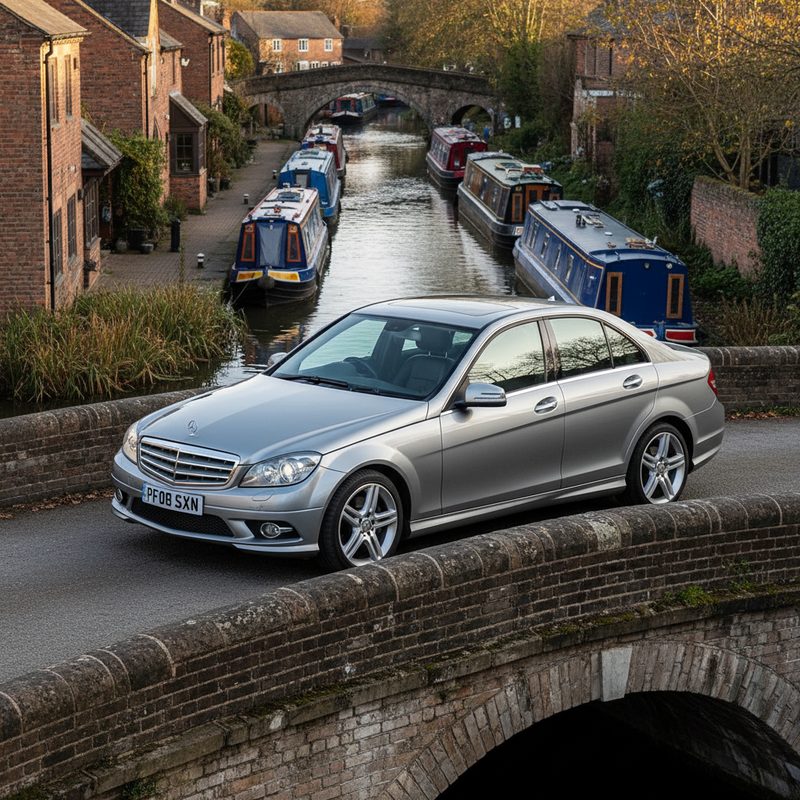
When Does a Mercedes C-Class Stop Depreciating
Explore the depreciation curve of the Mercedes C-Class, the best years to buy, and tips to minimise depreciation for savvy used car buyers.
Understanding Depreciation in the Mercedes C-Class
Depreciation is a crucial factor to consider when buying a used car, especially for a premium model like the Mercedes C-Class. The C-Class is known for its blend of luxury, performance, and reliability, but like all vehicles, it experiences depreciation. On average, cars lose about 15-20% of their value each year in the first few years of ownership. However, the C-Class has a slightly different curve due to its brand prestige and market demand.
When you first drive a new C-Class off the lot, it can lose around 20% of its value in the first year alone. This steep initial drop is typical for luxury vehicles. After the first year, the depreciation rate tends to slow down, averaging about 10-15% per year for the next few years. By the time the car is around five years old, you can expect it to have lost approximately 50-60% of its original value, depending on the model and condition.
For instance, a brand-new C-Class priced at £35,000 might be worth around £14,000 to £17,500 after five years. This significant depreciation can be a double-edged sword; while it makes the car more affordable for buyers, it also means that resale value can be a concern for sellers. Understanding this curve is essential for anyone considering a used C-Class.
If you are weighing up alternatives, our guide to BMW 4 Series Depreciation covers similar ground from a different angle.
The Sweet Spot: Best Age to Buy for Value
Identifying the sweet spot for purchasing a used Mercedes C-Class can save you a considerable amount of money. Generally, the best time to buy is when the car is between three to five years old. At this age, the vehicle has already undergone the most significant depreciation, making it a more attractive option for budget-conscious buyers.
For example, a three-year-old C-Class might be priced around £22,000, while a five-year-old model could be around £17,500. This price range offers a fantastic balance between luxury and affordability. Furthermore, by this time, the car is likely to have a good service history and may still be under warranty, depending on the original purchase terms.
For more on this topic, take a look at our Vauxhall Insignia Depreciation guide.
Additionally, the three to five-year mark is when many owners decide to upgrade to the latest model, which means there’s often a good selection of vehicles available on the market. Websites like AutoTrader can be invaluable for comparing prices and finding the right model that fits your budget and needs.
Which Variants Hold Their Value Best
Not all Mercedes C-Class models depreciate at the same rate. Certain variants and specifications tend to hold their value better than others. Generally, the higher-spec models, such as the AMG Line or those equipped with premium packages, tend to retain value better due to their enhanced features and performance.
You might also find our Skoda Octavia Depreciation guide useful alongside this one.
For instance, a C-Class with a more powerful engine or additional luxury features may appeal more to buyers, which can help maintain its resale value. Additionally, models with lower mileage and a full service history are more desirable and can command higher prices.
Another factor to consider is the fuel type. Diesel variants traditionally hold their value better than petrol models, especially in the current market where fuel efficiency is a significant concern for many buyers. However, with the increasing popularity of electric and hybrid vehicles, it’s worth keeping an eye on how these trends may affect future resale values.
We have covered related ground in our Ford Kuga Depreciation Curve guide, which is worth reading if this subject interests you.
Factors Affecting Resale Value
Several factors can influence the resale value of a Mercedes C-Class. Understanding these can help you make a more informed purchase and potentially save you money in the long run. Here are some key considerations:
Condition and Mileage
The overall condition of the car and its mileage are perhaps the most significant factors affecting resale value. A well-maintained C-Class with low mileage will always fetch a better price than one that shows signs of wear and tear or has high mileage. Regular servicing and maintenance records can significantly enhance the car's value.
Market Demand
The demand for specific models can fluctuate based on market trends. For example, if there’s a surge in demand for compact luxury cars, the C-Class may hold its value better during that period. Keeping an eye on market trends can help you time your purchase or sale effectively.
Service History
A complete service history is crucial for maintaining the value of your C-Class. Buyers are often willing to pay a premium for cars that have been well cared for, with documented maintenance records. This not only reassures potential buyers but can also make the car easier to sell.
Modifications
While personalising your vehicle can be tempting, modifications can sometimes negatively impact resale value. Many buyers prefer cars in their original condition, so if you’re considering modifications, think carefully about how they might affect future sales.
Economic Factors
Broader economic conditions can also play a role in car values. Economic downturns can lead to decreased demand for luxury vehicles, which can, in turn, affect resale values. Keeping an eye on economic indicators can help you gauge the right time to buy or sell.
Minimising Depreciation When You Buy
If you’re looking to minimise depreciation on your Mercedes C-Class, there are several strategies you can employ. Here are some practical tips:
If things go wrong after purchase, Citizens Advice can help you understand your legal rights.
Choose the Right Model
As mentioned earlier, opting for higher-spec models or those with desirable features can help maintain value. Research which models are currently in demand and consider those when making your purchase.
Buy Approved Used
Purchasing an approved used vehicle from a Mercedes dealership can offer peace of mind. These cars often come with extended warranties and have undergone rigorous inspections, making them a safer investment.
Keep It in Good Condition
Regular maintenance and care are essential. Keeping the car clean, servicing it on time, and addressing any issues promptly can help preserve its value. Remember, a well-maintained car is always more attractive to potential buyers.
Limit Mileage
If possible, try to limit the mileage on your vehicle. High mileage can significantly impact resale value, so consider how you use the car. If you’re using it primarily for short trips, it may be worth considering a different vehicle for longer journeys.
Timing Your Purchase
Timing your purchase can also play a role in minimising depreciation. Buying a car at the right time, such as during the winter months when demand is lower, can help you secure a better deal. Additionally, consider the time of year when new models are released, as this can also affect the prices of used vehicles.
Timing Your Purchase: Dave's Recommendations
When it comes to timing your purchase of a Mercedes C-Class, there are a few strategies that can help you get the best deal. As mentioned, buying a car that is three to five years old is generally the sweet spot for value. However, there are specific times of the year when you might find even better deals.
End of the Month or Quarter
Dealerships often have sales targets to meet, so shopping at the end of the month or quarter can lead to better deals. Sales staff may be more willing to negotiate to hit their targets, which can work in your favour.
Seasonal Trends
Consider seasonal trends as well. For example, convertibles and sports cars may see a drop in demand during the winter months, while family cars may be more sought after in the lead-up to the school year. Understanding these trends can help you time your purchase effectively.
New Model Releases
When new models are released, dealerships often offer significant discounts on previous models to make room for new stock. This can be an excellent opportunity to snag a great deal on a nearly new C-Class.
In summary, understanding the depreciation curve of the Mercedes C-Class, knowing the best age to buy, and being aware of the factors that affect resale value can significantly impact your experience as a used car buyer. If you’re considering a purchase, it’s worth checking the value of any specific C-Class you’re interested in with Dave's free report to ensure you’re making a smart investment.
By keeping these tips in mind, you can navigate the used car market with confidence and find a Mercedes C-Class that not only meets your needs but also holds its value over time. Happy car hunting!