How To Buy Safely On Facebook Marketplace: Dave's Complete Guide
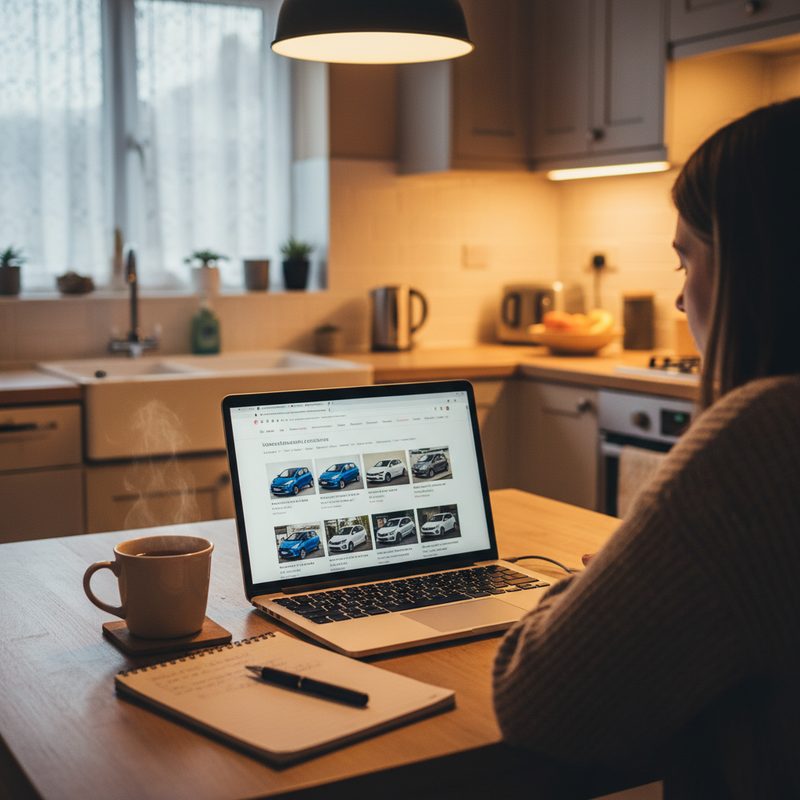
Buying a car on Facebook Marketplace can be a great way to save money, but it comes with risks. This guide provides essential tips to help you navigate the process safely.
Understanding Facebook Marketplace for Car Buying
Buying a car on Facebook Marketplace can feel like a treasure hunt. One moment, you're scrolling through listings, and the next, you stumble upon a gem: a low-mileage Ford Focus at a price that seems too good to be true. But before you rush to message the seller, it’s crucial to understand the platform and the potential pitfalls that come with it.
Facebook Marketplace is a convenient place for individuals to buy and sell a variety of items, including cars. However, unlike traditional dealerships, the platform lacks the same level of oversight. This means that while you can find fantastic deals, you also need to be vigilant to avoid scams and poorly maintained vehicles.
Many sellers are private individuals looking to offload their cars quickly, which can lead to significant savings. However, it also means that the responsibility for ensuring the vehicle's condition and legality falls squarely on your shoulders. As a savvy buyer, you need to be prepared to do your homework and follow a structured process to ensure a safe purchase.
Step-by-Step Process to Buy a Car on Facebook Marketplace
1. Set Your Budget
Before diving into the listings, take a moment to establish a realistic budget. Consider not just the purchase price but also ongoing costs like insurance, road tax, and maintenance. A common mistake is to focus solely on the sticker price, neglecting the total cost of ownership. For instance, a seemingly cheap car might have high insurance premiums due to its make and model.
2. Research the Market
Once you have your budget, it’s time to research. Look at similar cars on platforms like AutoTrader to get a sense of what constitutes a fair price. This will help you identify listings that are overpriced or suspiciously cheap. Pay attention to the car’s age, mileage, and condition, as these factors significantly influence value.
3. Use Dave to Check Vehicle History
Before you even think about meeting a seller, it’s wise to check the vehicle's history. Using a service like the CarBuyerIQ Vehicle Check can provide you with crucial information about the car's past, including any outstanding finance, insurance write-off markers, and whether it has been reported stolen. This step is essential to avoid purchasing a vehicle with hidden problems.
4. Contact the Seller
When you find a car that fits your criteria, reach out to the seller. Ask specific questions about the vehicle's condition, service history, and reason for selling. A genuine seller will be open and transparent. Be wary of vague answers or reluctance to provide additional information. If they seem evasive, it might be a red flag.
5. Arrange a Viewing
If the initial conversation goes well, arrange a time to view the car. Always choose a public place for the meeting, preferably during daylight hours. This not only ensures your safety but also provides a better environment for inspecting the car. Bring a friend along if possible, as a second pair of eyes can help spot potential issues you might miss.
6. Conduct a Thorough Inspection
When you arrive, conduct a thorough inspection of the vehicle. Look for signs of wear and tear, rust, or any irregularities in the bodywork. Check the tyres for tread depth and ensure they are in good condition. Don’t forget to look under the bonnet; check fluid levels and the condition of belts and hoses. If you're unsure what to look for, refer to my guide on the Used Car Inspection Checklist.
7. Take a Test Drive
A test drive is non-negotiable. It’s your chance to assess how the car handles and whether there are any unusual noises or vibrations. Pay attention to how the brakes feel, the responsiveness of the steering, and whether any warning lights appear on the dashboard. If something feels off, don’t hesitate to walk away.
8. Negotiate the Price
Once you’re satisfied with the car’s condition, it’s time to negotiate. Use your research to back up your offer. If you’ve found similar cars listed for less, mention these to the seller. Remember, negotiation is a normal part of the buying process, and a good deal is often just a conversation away. For tips on how to negotiate effectively, check out my guide on How To Negotiate On A Used Car And Save Money.
9. Finalise the Sale
If you reach an agreement, ensure that all paperwork is in order. The seller should provide the V5C registration document, which proves their ownership of the vehicle. Check that the details match the car and that there are no discrepancies. If the seller cannot provide this document, it’s a significant red flag.
10. Complete the Payment Safely
When it comes to payment, avoid cash transactions if possible. Opt for bank transfers or other secure methods. This not only provides a paper trail but also protects you from potential scams. Ensure you receive a receipt for the transaction, and keep it for your records.
11. Transfer Ownership
Once the payment is complete, ensure that the seller completes the relevant sections of the V5C document to transfer ownership. You can do this online through the DVLA or by sending the document to the DVLA. This step is crucial to ensure you are legally recognised as the new owner.
12. Insure the Vehicle
Before you hit the road, make sure you have insurance in place. Driving without insurance is illegal and can lead to hefty fines. Shop around for the best deals and consider factors like the car’s insurance group, which can significantly affect your premiums. For more information on insurance groups, visit Thatcham insurance groups.
Common Mistakes to Avoid
Even seasoned buyers can make mistakes when purchasing a car on Facebook Marketplace. Here are some common pitfalls to watch out for:
Skipping the Vehicle History Check
Many buyers overlook the importance of checking a vehicle’s history. Failing to do so can result in purchasing a car with hidden issues, such as outstanding finance or a history of accidents. Always use a service like the CarBuyerIQ Vehicle Check to ensure you’re making a safe investment.
Ignoring the Paperwork
It’s easy to get caught up in the excitement of buying a car, but neglecting the paperwork can lead to serious problems. Always verify that the V5C document is present and matches the seller’s identity. If the seller cannot provide this, it’s best to walk away.
Not Taking a Test Drive
Some buyers are so eager to seal the deal that they skip the test drive. This is a critical step in assessing the car’s condition. A test drive can reveal issues that may not be apparent during a visual inspection.
Rushing the Process
Buying a car is a significant investment, and rushing the process can lead to costly mistakes. Take your time to research, inspect, and negotiate. If a seller pressures you to make a quick decision, it’s often a sign that something is amiss.
Legal Rights and Protections
When buying from a private seller, it’s essential to understand your legal rights. Unlike buying from a dealer, private sales are generally considered “sold as seen.” This means that once you complete the transaction, the seller is not obligated to offer any refunds or returns. However, if the seller has misrepresented the vehicle, you may have grounds for a claim.
The Consumer Rights Act provides some protection against misleading statements. If a seller has lied about the car’s condition or history, you may be able to take legal action. Always document your communication with the seller and keep records of any agreements made.
Practical Tips from Dave's Experience
Having spent years in the used car market, I’ve seen it all. Here are some practical tips to help you navigate Facebook Marketplace like a pro:
- Trust Your Instincts: If something feels off about a seller or a vehicle, don’t ignore your gut feeling. It’s better to miss out on a deal than to regret a purchase later.
- Be Prepared to Walk Away: There are plenty of cars out there. If a seller is unwilling to negotiate or provide necessary information, don’t hesitate to walk away. There’s always another opportunity.
- Get a Second Opinion: If you’re unsure about a car’s condition, consider bringing along a knowledgeable friend or even a mechanic. A second opinion can provide valuable insights.
- Stay Informed: Keep up to date with market trends and pricing. The more informed you are, the better equipped you’ll be to spot a good deal.
Conclusion
Buying a car on Facebook Marketplace can be a rewarding experience if approached with caution and diligence. By following the steps outlined in this guide, you can minimise risks and make a smart purchase. Remember to do your homework, check the vehicle's history, and never rush the process. With the right preparation, you can find the perfect car that fits your needs and budget.
For a safe and informed purchase, always consider using the CarBuyerIQ Vehicle Check to ensure you’re making a sound investment. Happy car hunting!