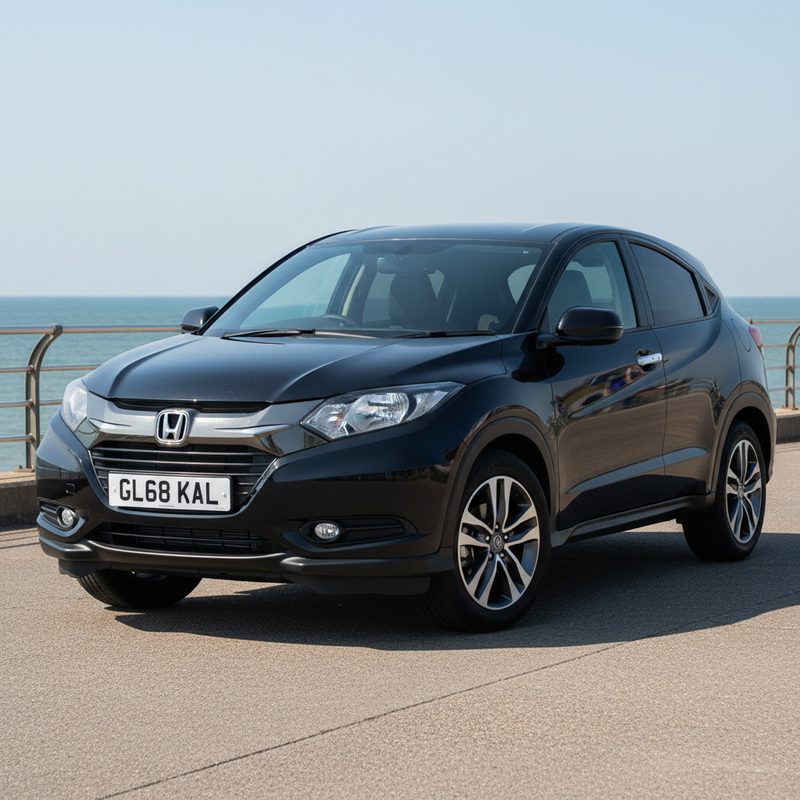
2018 Honda HR-V — Practical Crossover Buying Guide
Discover everything you need to know about the 2018 Honda HR-V, including common problems, MOT failure patterns, and running costs to make an informed purchase.
Overview of the 2018 Honda HR-V
The 2018 Honda HR-V is a compact crossover that has gained popularity in the UK for its practicality, reliability, and versatility. If you're in the market for a used car that can handle both urban commuting and weekend adventures, the HR-V is worth considering. With its spacious interior, flexible seating arrangements, and impressive fuel economy, it appeals to a wide range of buyers, from young families to retirees.
Honda has built a reputation for producing vehicles that stand the test of time, and the HR-V is no exception. It boasts a solid build quality, a comfortable ride, and a range of features that make it a competitive option in the crossover segment. However, like any used vehicle, it’s essential to understand its strengths and weaknesses before making a purchase.
Is the 2018 Honda HR-V a Good Buy?
When evaluating whether the 2018 Honda HR-V is a good buy, it’s essential to consider various factors, including its performance, reliability, and overall value for money. The HR-V is equipped with a 1.5-litre petrol engine that delivers a decent balance of power and efficiency. With a power output of around 130 bhp, it’s capable of handling city driving and motorway cruising without breaking a sweat.
One of the standout features of the HR-V is its spacious interior. The rear seats can be configured in multiple ways, thanks to Honda's innovative Magic Seat system, allowing for maximum flexibility when it comes to cargo space. This makes it an excellent choice for those who need to transport larger items or have a growing family.
In terms of safety, the 2018 HR-V comes equipped with a range of advanced safety features, including lane departure warning, collision mitigation braking, and adaptive cruise control. These features contribute to its solid safety ratings, making it a reliable choice for families.
However, it's important to note that while the HR-V is generally well-regarded, it may not be the most exciting vehicle to drive. Some drivers find the handling to be a bit uninspiring compared to competitors like the Ford Puma or the Mazda CX-30. If you’re looking for a sporty drive, you might want to explore other options. Overall, if you value practicality, reliability, and comfort, the 2018 Honda HR-V is a solid choice.
Common Problems and Known Issues
Like any vehicle, the 2018 Honda HR-V is not without its potential issues. While Honda is known for its reliability, it’s crucial to be aware of common problems that may arise as the vehicle ages. Here are some of the most frequently reported issues:
1. Infotainment System Glitches
Some owners have reported glitches with the infotainment system, including unresponsive touchscreens and Bluetooth connectivity issues. While these problems are generally not severe, they can be frustrating. If you're considering a used HR-V, it's worth testing the infotainment system thoroughly during your inspection.
2. Suspension Noise
A few drivers have noted a knocking or clunking noise coming from the suspension, particularly when driving over bumps. This could indicate worn suspension components, which may need to be replaced. It’s advisable to have a qualified mechanic inspect the suspension if you notice any unusual noises during your test drive.
3. Brake Wear
Some HR-V owners have experienced premature brake wear, particularly on the front brakes. If you’re looking at a used model, check the service history to ensure that the brakes have been maintained properly. If the vehicle has high mileage, you may need to budget for brake replacement sooner rather than later.
4. Engine Performance Issues
While the 1.5-litre engine is generally reliable, a few owners have reported issues with engine performance, such as rough idling or a lack of power. These problems can sometimes be traced back to faulty sensors or fuel delivery issues. If you notice any performance concerns during your test drive, it’s best to have a mechanic take a closer look.
Being aware of these common issues can help you make a more informed decision when purchasing a used HR-V. Always request a full service history and consider getting a pre-purchase inspection to identify any potential problems before finalising your purchase.
MOT Failure Patterns
When buying a used car, understanding its MOT history is crucial. The 2018 Honda HR-V has generally performed well in terms of MOT tests, but there are specific areas where you should pay attention. Here are some common MOT failure patterns:
1. Lights and Indicators
One of the most frequent reasons for MOT failures across all vehicles, including the HR-V, is issues with lights and indicators. This can include blown bulbs or malfunctioning brake lights. Always check that all lights are functioning correctly before your MOT appointment.
2. Suspension Components
As mentioned earlier, some HR-Vs have reported suspension noise. If the suspension components are worn or damaged, this could lead to an MOT failure. Make sure to have the suspension inspected, especially if the vehicle has high mileage.
3. Emissions
While the HR-V is designed to meet emissions standards, any issues with the exhaust system or engine management can lead to increased emissions and a potential MOT failure. If the vehicle has a service history, check for any emissions-related repairs that have been performed.
4. Tyres
Tyre condition is another common failure point. Ensure that the HR-V you are considering has tyres with sufficient tread depth and no visible damage. The legal minimum tread depth in the UK is 1.6mm, but for safety, it’s best to aim for at least 3mm.
5. Brake Performance
As previously mentioned, some HR-Vs have experienced premature brake wear. If the brakes are not functioning correctly, this could lead to an MOT failure. Ensure that the brake pads and discs are in good condition before making a purchase.
By being aware of these common MOT failure patterns, you can better assess the condition of any used HR-V you’re considering. Always check the vehicle’s MOT history online to see if it has passed or failed in the past and what issues were noted.
What You Should Expect to Pay
When it comes to pricing, the 2018 Honda HR-V offers good value for money in the used car market. Prices can vary significantly based on factors such as mileage, condition, and trim level. Here’s a breakdown of what you can expect to pay:
Price Ranges
- Base Model (S): If you're looking at the base model with lower mileage (around 20,000 miles), you can expect to pay between £15,000 and £17,000.
- Mid-Range Model (SE): For a mid-range SE model with moderate mileage (around 30,000 to 50,000 miles), prices typically range from £13,000 to £15,500.
- Top Model (EX): The top-spec EX model, especially with higher mileage (over 50,000 miles), can be found for around £11,000 to £13,000.
Keep in mind that prices can fluctuate based on market demand and the specific features of the vehicle. Always compare prices from multiple sources, including dealerships and private sellers, to ensure you’re getting a fair deal.
Running Costs Overview
Understanding the running costs of the 2018 Honda HR-V is essential for budgeting purposes. Here’s a breakdown of what you can expect:
1. Fuel Economy
The HR-V is known for its fuel efficiency, with the 1.5-litre petrol engine offering around 45-50 mpg, depending on driving conditions. This makes it a cost-effective option for both city and motorway driving.
2. Insurance Costs
Insurance premiums can vary based on factors such as your driving history and location. On average, you can expect to pay between £600 and £800 per year for comprehensive coverage on a 2018 HR-V. It’s advisable to shop around for quotes to find the best deal.
3. Servicing and Maintenance
Honda vehicles are generally reliable, but regular servicing is essential to keep your HR-V running smoothly. Annual servicing costs can range from £150 to £300, depending on the service provider and any additional repairs needed. Always check the service history to ensure that the vehicle has been well-maintained.
4. Road Tax
Road tax for the 2018 Honda HR-V falls within the standard band for vehicles of its size and emissions. Expect to pay around £150 per year for road tax, although this can vary based on the specific emissions rating of the vehicle.
By considering these running costs, you can better assess the overall affordability of owning a 2018 Honda HR-V.
Dave's Honest Verdict
In conclusion, the 2018 Honda HR-V is a practical and reliable choice for anyone in the market for a used crossover. Its spacious interior, flexible seating, and solid safety features make it an excellent option for families and individuals alike. While it may not be the most exciting vehicle to drive, it excels in comfort and practicality, which are often more important for daily driving.
However, it’s essential to be aware of the common issues and MOT failure patterns associated with this model. By doing your due diligence and checking the vehicle’s history, you can avoid potential pitfalls and make a smart purchase.
If you're considering buying a used Honda HR-V, I highly recommend checking it with my free vehicle intelligence report. This tool can provide you with valuable insights into the vehicle's history, helping you make a more informed decision. Overall, if you find a well-maintained HR-V at a fair price, it’s a buy in my book. Just keep an eye out for those common issues, and you’ll be driving away in a reliable crossover that can serve you well for years to come.
Check 2018 Honda HR-V, instantly with Dave's free vehicle intelligence report.
Check any Honda HR-V instantly with Dave's free vehicle intelligence report