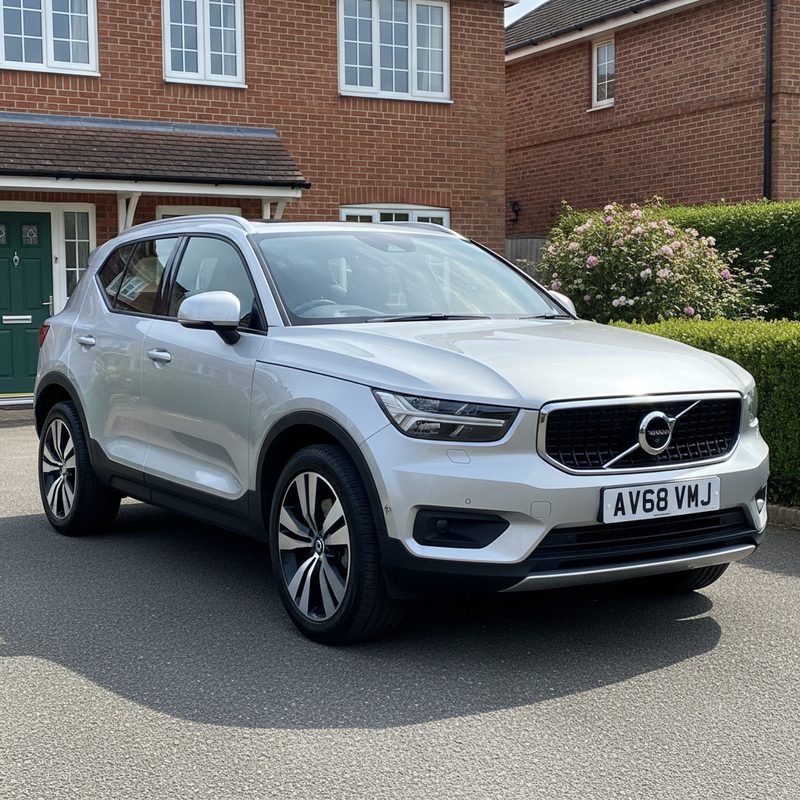
Volvo XC40 Running Costs: Premium SUV Ownership Cost
Discover the true running costs of owning a Volvo XC40, from insurance and fuel to servicing and repairs, helping you make an informed decision.
Understanding the Volvo XC40
The Volvo XC40 is a compact luxury SUV that has gained a reputation for its stylish design, safety features, and practicality. As with any vehicle, understanding the running costs is crucial for potential buyers. Whether you’re considering a brand-new model or a used one, knowing what to expect in terms of insurance, fuel, servicing, and repairs can help you make a more informed decision.
Total Annual Cost Estimate Breakdown
When calculating the annual running costs of a Volvo XC40, several factors come into play. Here’s a breakdown of the main expenses you can expect:
-
Insurance: Depending on your driving history and location, insurance can vary significantly. For a Volvo XC40, you might expect to pay between £600 and £1,000 annually, depending on the model and your personal circumstances.
-
Fuel: The XC40 offers a range of engines, with fuel economy varying between models. On average, you can expect around 35-45 miles per gallon (MPG). Assuming you drive around 12,000 miles a year, your fuel costs could range from £1,200 to £1,500 annually, depending on fuel prices and your driving style.
-
Servicing: Regular servicing is essential for maintaining your XC40. Annual servicing costs can range from £200 to £400, depending on whether you go to an independent garage or a main dealer.
-
Repairs and Maintenance: Setting aside a budget for unexpected repairs is wise. On average, you might spend around £300 to £500 annually on repairs, depending on the age and condition of the vehicle.
-
Road Tax: The XC40 falls into various tax bands depending on the engine. Expect to pay between £150 and £250 annually.
-
Depreciation: While not a direct cost, depreciation is a significant factor in ownership costs. The XC40 typically depreciates around 40-50% over three years, which is essential to consider if you plan to sell or trade it in later.
Adding these costs together, you’re looking at an estimated total annual cost of around £2,500 to £3,500, depending on your specific circumstances and choices.
Insurance: Typical Group and Annual Cost
Insurance is one of those unavoidable costs that can vary widely based on several factors, including your age, location, and driving history. The Volvo XC40 typically falls into insurance groups 22 to 36, depending on the model and engine type.
For example, the entry-level XC40 with a smaller engine might sit in group 22, while the more powerful models could be in group 36. As mentioned earlier, annual insurance premiums can range from £600 to £1,000.
To get the best deal, it’s worth comparing quotes from multiple insurers. Consider using comparison websites or speaking to a broker who can help you find the best coverage for your needs. Additionally, increasing your voluntary excess can sometimes lower your premium, but ensure you can afford the excess in case of a claim.
Fuel Costs: Real-World MPG and Annual Spend
Fuel efficiency is a critical factor for many buyers, especially with the rising costs of petrol and diesel. The XC40 offers a variety of engines, including petrol, diesel, and hybrid options, each with different fuel consumption figures.
- Petrol Engines: The T3 and T4 petrol engines typically deliver around 35-40 MPG, while the more powerful T5 can achieve around 30-35 MPG.
- Diesel Engines: The D3 and D4 diesel engines are more efficient, often achieving 40-45 MPG, making them a solid choice for those who cover longer distances regularly.
- Hybrid Options: The plug-in hybrid variant can offer even better fuel efficiency, especially if you can charge it regularly. Expect around 50-60 MPG combined when used effectively.
Assuming an average fuel cost of £1.50 per litre and an annual mileage of 12,000 miles, here’s a rough estimate of your annual fuel costs:
- Petrol (35 MPG): Approximately £1,500.
- Diesel (45 MPG): Approximately £1,200.
- Hybrid (55 MPG): Approximately £1,000.
These figures can vary based on your driving habits, so it’s always good to keep an eye on your fuel consumption and adjust your budget accordingly.
Servicing: Schedule and Typical Costs
Regular servicing is crucial for keeping your Volvo XC40 in top condition. Volvo recommends a service schedule every 12 months or 18,000 miles, whichever comes first. This includes oil changes, filter replacements, and checks on key components like brakes and tyres.
Typical Service Costs
- Minor Service: Expect to pay around £200 to £300. This usually includes an oil change, filter replacement, and a general inspection.
- Major Service: This can cost between £400 and £600, as it involves more extensive checks and replacements, including spark plugs and brake fluid.
If you’re considering a used XC40, it’s wise to check the service history. A well-maintained vehicle with regular servicing is likely to be more reliable and cost-effective in the long run. Additionally, some independent garages offer competitive rates for servicing, so don’t hesitate to shop around.
Common Repair Costs (Brakes, Tyres, etc.)
While Volvos are known for their reliability, it’s still wise to budget for common repairs. Here are some typical costs you might encounter:
Brakes
- Brake Pads: Expect to pay around £100 to £200 for a full set of brake pads, depending on whether you choose OEM or aftermarket parts.
- Brake Discs: Replacing brake discs can cost between £150 and £300, depending on the model and whether you go for original parts.
Tyres
- Tyre Replacement: Depending on the size and brand, new tyres can cost between £80 and £150 each. If you need all four, that’s a significant expense, so keep an eye on tread depth and wear.
Other Common Repairs
- Suspension Repairs: If you need to replace suspension components, costs can range from £200 to £600, depending on the parts needed.
- Electrical Issues: These can be tricky and expensive to diagnose, often costing between £100 and £300 for repairs.
It’s always a good idea to set aside a small budget for unexpected repairs, as they can crop up at any time, especially as the vehicle ages.
How Costs Compare to Similar Cars in This Class
When looking at the running costs of the Volvo XC40, it’s helpful to compare it with similar vehicles in the compact SUV segment, such as the Audi Q3, BMW X1, and Mercedes-Benz GLA.
Insurance Comparison
- Audi Q3: Typically falls into insurance groups 25-37, with premiums ranging from £650 to £1,100.
- BMW X1: Insurance groups are similar, with costs around £600 to £1,000.
- Mercedes-Benz GLA: Generally falls into groups 24-36, with premiums from £650 to £1,200.
Fuel Efficiency
- Audi Q3: Offers similar MPG figures, around 35-45 MPG, depending on the engine.
- BMW X1: Generally comparable, with many models achieving 35-40 MPG.
- Mercedes-Benz GLA: Similar efficiency, often around 35-45 MPG.
Servicing and Repairs
All these vehicles have similar servicing costs, with minor services typically costing around £200-£400 and major services ranging from £400-£600. However, Volvos are often praised for their longevity and reliability, which can mean fewer repairs in the long run.
In conclusion, while the Volvo XC40 may have slightly higher running costs compared to some competitors, its reputation for safety, comfort, and reliability can make it a worthwhile investment. Plus, with the right maintenance and care, you can enjoy many years of premium SUV ownership.
Conclusion
Owning a Volvo XC40 comes with its share of running costs, but understanding these expenses can help you budget effectively. From insurance and fuel to servicing and repairs, being informed allows you to enjoy your driving experience without unexpected financial surprises. If you're considering purchasing a used XC40, make sure to check out Dave's free vehicle intelligence report to get a detailed insight into the specific vehicle’s history and condition. This can help you make a smarter decision and ensure your investment is sound. Happy driving!