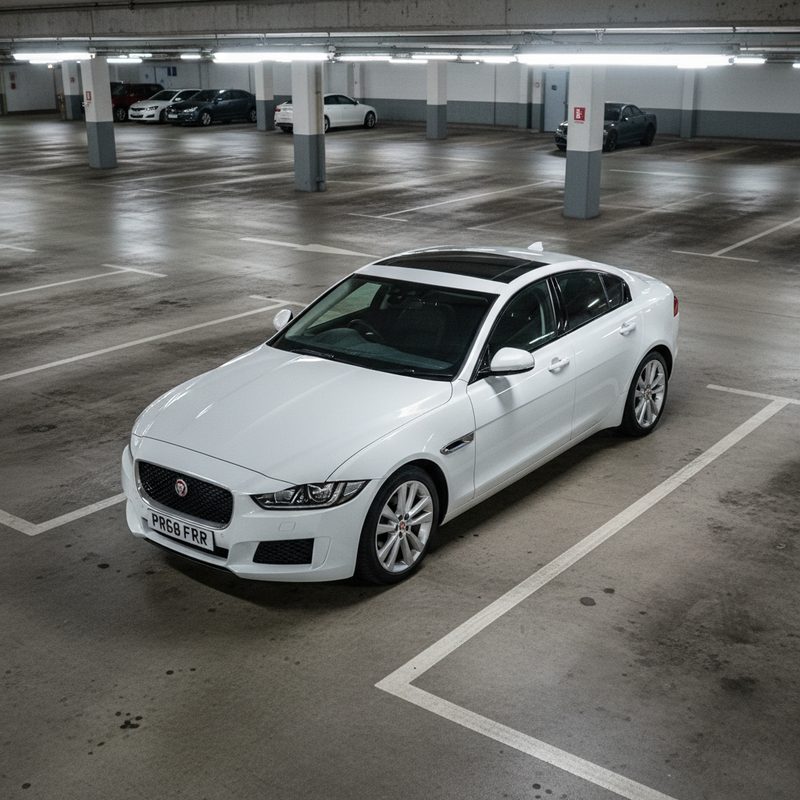
Jaguar XE Running Costs: Budget Prestige Ownership
Discover the ins and outs of running a Jaguar XE, from insurance to servicing costs, and learn how to manage your budget while enjoying this luxury vehicle.
Introduction to the Jaguar XE
Ah, the Jaguar XE. A car that embodies British luxury and performance, all while making you feel like James Bond on your morning commute. But before you dive headfirst into the world of prestige motoring, it’s essential to understand the running costs associated with this feline beauty. Spoiler alert: it’s not just about the initial purchase price. In this guide, we’ll break down everything from insurance and fuel costs to servicing and common repairs, ensuring you’re well-prepared for budget-friendly ownership.
Total Annual Cost Estimate Breakdown
Let’s get down to brass tacks. If you’re a typical UK driver covering around 10,000 miles a year, you’ll want to know what your annual running costs might look like. Here’s a realistic breakdown:
-
Fuel Costs: The Jaguar XE offers a range of engines, but let’s focus on the popular 2.0-litre diesel variant. While the manufacturer claims it can achieve up to 70 mpg, real-world figures often hover around 55 mpg, especially if you have a heavy foot (and who doesn’t?). With UK fuel prices currently averaging around £1.50 per litre, you’re looking at roughly 1,818 litres of diesel per year, which translates to around £2,727.
-
Insurance: The XE falls into insurance groups 30 to 40, depending on the model and trim. For a 30-year-old driver, you can expect to pay between £800 and £1,200 annually. Younger drivers may see premiums soar to £2,000 or more, while those over 50 might enjoy rates as low as £600. To keep costs down, consider increasing your excess or taking a telematics policy.
-
Road Tax: The road tax for the XE can vary based on the engine size and emissions. For a typical model, expect to pay around £150 annually. You can check the exact amount using the GOV.UK road tax checker.
If you are weighing up alternatives, our guide to Ford Puma Running Costs covers similar ground from a different angle.
-
Servicing: A major service at a Jaguar dealership can set you back around £400, while a minor service might cost around £250. Independent garages can offer lower rates, but it’s essential to ensure they’re familiar with the XE’s specific needs.
-
MOT: Don’t forget the annual MOT, which costs around £54.85. If you’re buying a used XE, checking its MOT history through the GOV.UK MOT history can save you from unexpected repairs.
In total, you’re looking at an estimated annual cost of around £5,500 to £6,000. This figure can fluctuate based on driving habits, insurance choices, and how well you maintain your car.
Insurance Costs and Tips
Insurance is one of those necessary evils that can make or break your budget. The Jaguar XE, being a luxury vehicle, tends to attract higher premiums. As mentioned, it falls into insurance groups 30 to 40. Here’s how different age brackets fare:
For more on this topic, take a look at our Skoda Superb Running Costs guide.
- Under 25: Expect to pay around £2,000 to £3,000 annually. Ouch!
- 25-35: Rates drop to about £800 to £1,200.
- 35-50: You might find yourself in the £600 to £900 range.
- Over 50: This is where the savings kick in, with premiums as low as £500.
To help keep your insurance costs manageable, consider the following tips:
- Increase Your Excess: A higher voluntary excess can lower your premium, but make sure you can afford it in case of a claim.
- Telematics Insurance: If you’re a safe driver, a black box policy can reward you with lower premiums.
- Shop Around: Use comparison sites to find the best deals. Don’t just accept the first quote you receive.
- Secure Parking: If you can park your XE in a garage, it may reduce your premium.
By being proactive about your insurance, you can save a pretty penny while enjoying the prestige of owning a Jaguar.
Fuel Costs: What to Expect
Fuel costs are a significant part of running any car, and the Jaguar XE is no exception. As mentioned earlier, while the manufacturer claims impressive fuel economy figures, real-world driving often tells a different story. Here’s a deeper dive into what you can expect:
- Real-World MPG: The 2.0-litre diesel engine typically delivers around 55 mpg in everyday driving conditions. If you opt for the petrol variant, you might see figures closer to 40 mpg, which can hit your wallet harder.
- Annual Fuel Spend: Based on the 55 mpg figure and current fuel prices, your annual fuel spend would be approximately £2,727. If you’re driving a petrol model, this could rise to around £3,500.
- Driving Style Impact: Your driving style can significantly affect fuel consumption. Aggressive acceleration, frequent braking, and short trips can all lead to higher fuel costs. Smooth driving, regular maintenance, and keeping your tyres properly inflated can help improve your fuel efficiency.
In summary, fuel costs for the Jaguar XE can be manageable, but it’s essential to keep an eye on your driving habits and consider the engine variant you choose.
Servicing: Keeping Your XE in Tip-Top Shape
Servicing is another crucial aspect of running a Jaguar XE. Regular maintenance not only keeps your car running smoothly but can also prevent costly repairs down the line. Here’s what you need to know:
You might also find our Mini Cooper Running Costs guide useful alongside this one.
- Service Schedule: The XE typically requires a minor service every 12 months or 16,000 miles and a major service every 24 months or 32,000 miles. Minor services usually involve oil changes and filter replacements, while major services include more comprehensive checks and replacements.
- Cost Breakdown: Expect to pay around £250 for a minor service at an independent garage and about £400 at a Jaguar dealership. Major services can cost around £600 at a dealership but may be less at an independent.
- DIY Savings: If you’re handy with a spanner, you can save quite a bit by doing some basic maintenance yourself. Oil changes, air filter replacements, and even brake pad changes can be tackled with a bit of research and the right tools.
Keeping up with your servicing schedule is vital, especially for a luxury vehicle like the XE. Not only does it keep your car running efficiently, but it also helps maintain its resale value.
Common Repair Costs
Even the most reliable cars can run into issues, and the Jaguar XE is no exception. Here are some common repairs you might encounter and their associated costs:
- Brakes: Brake pads typically need replacing every 30,000 to 40,000 miles. Expect to pay around £150 to £250 for a full brake pad replacement.
- Tyres: Depending on your driving style, you might need to replace tyres every 25,000 to 40,000 miles. A decent set of tyres can cost between £400 and £600.
- Suspension: If you notice a bumpy ride, you might need to replace suspension components. This can cost anywhere from £300 to £800, depending on the parts needed.
- Clutch: A clutch replacement can be a significant expense, typically costing around £800 to £1,200, depending on the model and labour costs.
- Timing Belt/Chain: If your XE has a timing belt, it’s crucial to replace it every 60,000 to 100,000 miles. This can cost around £500 to £800.
Being aware of these common repair costs can help you budget effectively and avoid nasty surprises down the line.
Wear Items and Consumables
Like any car, the Jaguar XE has its fair share of wear items and consumables that will need replacing regularly. Here’s a quick rundown:
We have covered related ground in our Peugeot 208 Running Costs guide, which is worth reading if this subject interests you.
- Oil and Filters: Regular oil changes are essential for engine longevity. Expect to pay around £50 to £100 for an oil change, depending on where you go.
- Air Filters: These should be replaced every 12,000 to 15,000 miles, costing around £20 to £40.
- Wiper Blades: A set of wiper blades will set you back about £20 to £30, and they should be replaced annually.
- Brake Fluid: This should be changed every two years, costing around £50.
By keeping an eye on these consumables, you can ensure your Jaguar XE remains in excellent condition without breaking the bank.
Comparing Running Costs with Rivals
When considering the Jaguar XE, it’s worth comparing its running costs with rivals in the same class. Here’s how it stacks up against a few competitors:
| Car Model | Annual Fuel Cost | Insurance Cost | Servicing Cost | Road Tax |
|---|---|---|---|---|
| Jaguar XE | £2,727 | £800 - £1,200 | £250 - £600 | £150 |
| Audi A3 | £2,500 | £700 - £1,100 | £250 - £550 | £150 |
| BMW 3 Series | £2,600 | £750 - £1,200 | £300 - £600 | £150 |
| VW Golf | £2,400 | £600 - £1,000 | £200 - £500 | £150 |
As you can see, the Jaguar XE is competitive in terms of running costs, particularly when compared to the likes of the Audi A3 and BMW 3 Series. However, the VW Golf tends to have slightly lower fuel and insurance costs, making it a more budget-friendly option.
If things go wrong after purchase, Citizens Advice can help you understand your legal rights.
Dave's Money-Saving Tips
Now that we’ve covered the ins and outs of running costs, let’s dive into some actionable tips to help you save money while enjoying your Jaguar XE:
-
Shop Around for Insurance: Don’t settle for the first quote. Use comparison sites to find the best deal, and consider switching providers annually to take advantage of new customer discounts.
-
Join a Car Club: Some car clubs offer discounts on servicing and parts. Plus, you’ll meet fellow enthusiasts who can share tips and tricks.
-
Keep Up with Maintenance: Regular servicing can prevent costly repairs down the line. Stick to your service schedule and address any issues promptly.
-
Consider a Fuel Card: If you’re driving a lot, a fuel card can help you save on fuel costs by offering discounts at certain petrol stations.
-
Use Public Transport Occasionally: If you can, consider using public transport for shorter trips. This will save wear and tear on your XE and reduce your fuel costs.
By implementing these tips, you can enjoy the luxury of a Jaguar XE without the financial headache.
Conclusion
Owning a Jaguar XE is a dream for many, but understanding the running costs is crucial for budget-conscious buyers. With an estimated annual cost of around £5,500 to £6,000, it’s essential to factor in everything from insurance and fuel to servicing and repairs. By being proactive and informed, you can enjoy the prestige of driving a Jaguar without breaking the bank. And remember, before you make a purchase, check any Jaguar XE with Dave's free vehicle intelligence report to ensure you’re making a wise investment. Happy driving!