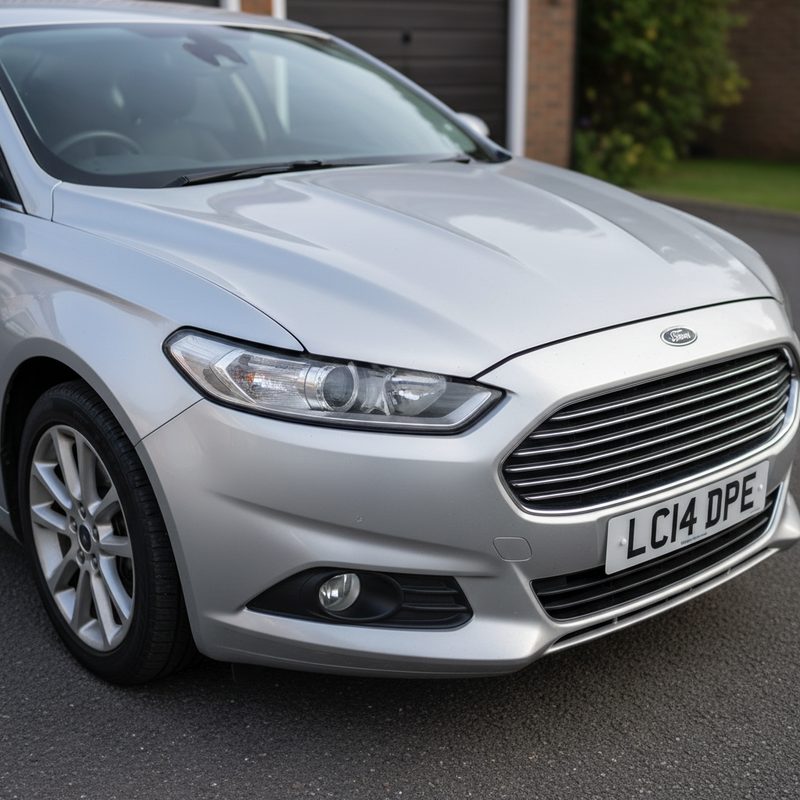
Buying a Car With Mismatched Panels — Accident History
Discover the risks of buying a car with mismatched panels and how to spot potential accident history. Protect yourself with our expert tips.
Understanding Mismatched Panels: What’s the Big Deal?
When it comes to buying a used car, the phrase "mismatched panels" might not ring alarm bells immediately. But let me tell you, it should! Mismatched panels are often a tell-tale sign of a car that has been in an accident or has undergone some dodgy repairs. You see, when a car gets a bit too friendly with a lamppost or another vehicle, it often needs bodywork to fix those unsightly dents and scratches. If the repair job is shoddy or if the panels replaced are not from the same make or model, you’ll end up with mismatched colours and textures.
Now, you might be thinking, "What’s the harm in a bit of paint?" Well, my friend, it’s not just about aesthetics. Mismatched panels can indicate deeper issues, such as structural damage, poor repair work, or even a history of insurance claims that could affect the car’s value and your safety. So, before you hand over your hard-earned cash, let’s dive into how to spot these red flags and what they might mean for your potential new ride.
How to Spot Mismatched Panels: Practical Checks
Alright, let’s get down to the nitty-gritty. Spotting mismatched panels isn’t rocket science, but it does require a keen eye and a bit of know-how. Here’s how you can do it:
1. Visual Inspection
Start with a good ol’ walk-around. Look at the car from different angles, preferably in natural light. Pay attention to the colour and finish of the panels. If you notice that the front wing is a different shade of blue compared to the door, that’s your first clue.
2. Check for Paint Overspray
Get up close and personal. Look for any signs of overspray on the edges of panels or on the trim. If the paint looks like it’s been slopped on without much care, it’s a sign that a quick fix was done, probably after an accident.
3. Feel the Texture
Run your fingers over the panels. If one panel feels rough or different from the others, it might have been repainted. A factory finish is usually smooth and consistent.
4. Look for Gaps
Check the gaps between panels. If they’re uneven, it could indicate that the panel was replaced incorrectly. A well-fitted panel should have consistent spacing with its neighbouring panels.
5. Use a Magnet
This one’s a bit of a trick. Take a small magnet with you. If it doesn’t stick to a panel, it might be plastic or filled with body filler, which is often used to hide damage.
6. Consult the History
Finally, run a vehicle history check. This will give you insight into any past accidents or insurance claims. If the car has a history of accidents, it’s worth digging deeper.
By following these steps, you can arm yourself with the knowledge needed to spot mismatched panels before you make a potentially costly mistake.
What Mismatched Panels Mean for the Car’s Condition and Value
So, you’ve spotted some mismatched panels. Now what? Well, it’s time to understand what this means for the car’s overall condition and its value.
1. Potential Structural Damage
Mismatched panels often indicate that the car has been in a significant accident. If the frame or structure has been compromised, it could lead to serious safety issues down the line. A car that’s been poorly repaired may not handle as well as it should, making it a potential hazard on the road.
2. Decreased Resale Value
Let’s face it: if you ever plan to sell the car, mismatched panels will scare off potential buyers faster than a wasp at a picnic. Cars with a history of accidents typically have lower resale values. You might find yourself losing hundreds, if not thousands, of pounds when it comes time to sell.
3. Insurance Implications
If the car has been in an accident, your insurance premiums could be affected. Insurers may charge you more for a vehicle with a history of claims, which can add up over time.
4. Ongoing Repair Costs
If the repairs were done poorly, you might be looking at ongoing repair costs. Mismatched panels can be a sign of shoddy work, which could lead to further issues down the line. You could find yourself shelling out for repairs that should have been done right the first time.
In short, mismatched panels can be a red flag for a host of underlying issues that could affect both your wallet and your safety. It’s crucial to weigh these factors carefully before making a purchase.
Real Cost Implications of Ignoring Mismatched Panels
Ignoring the signs of mismatched panels can lead to a world of financial pain. Let’s break down the potential costs you could incur if you decide to overlook this red flag.
1. Repair Costs
If you buy a car with mismatched panels and later discover that it has structural damage, you could be looking at repair costs ranging from £500 to £3,000 or more, depending on the severity of the damage. This doesn’t even account for the cost of repainting panels to match the rest of the car.
2. Decreased Resale Value
As mentioned earlier, a car with a history of accidents and mismatched panels will likely sell for significantly less. You might lose anywhere from £1,000 to £5,000 on resale, depending on the car’s make, model, and condition.
3. Insurance Premiums
If your insurer sees that the car has been in an accident, they may raise your premiums by 10-20%. For an average policy costing around £800 per year, that’s an extra £80 to £160 annually. Over the years, that adds up!
4. Potential Legal Costs
If the car has hidden issues that lead to an accident, you could find yourself facing legal costs if you’re deemed responsible. This could run into thousands of pounds, depending on the circumstances.
In short, ignoring mismatched panels can lead to a cascade of costs that could have been avoided with a bit of due diligence.
How to Protect Yourself When Buying a Used Car
Now that you’re aware of the potential pitfalls, let’s talk about how to protect yourself when buying a used car. Here are some practical tips to keep in mind:
1. Do Your Research
Before you even set foot in a dealership or meet a private seller, do your homework. Research the make and model you’re interested in, including common issues and what to look for. Knowledge is power, my friend!
2. Get a Vehicle History Check
Run a free vehicle check with Dave to spot red flags instantly. This will give you a detailed history of the car, including any accidents, previous owners, and outstanding finance. It’s a small price to pay for peace of mind.
3. Take a Trusted Mechanic Along
If you’re not mechanically inclined, consider bringing a trusted mechanic with you to inspect the car. They’ll know what to look for and can spot issues that you might miss.
4. Don’t Rush the Purchase
Take your time! If a seller is pushing you to make a quick decision, that’s a red flag in itself. Don’t be afraid to walk away if something doesn’t feel right.
5. Get a Warranty
If you do decide to go ahead with a purchase, consider getting a warranty. This can provide some peace of mind in case any hidden issues arise after the sale.
By following these tips, you can significantly reduce your risk of buying a car with mismatched panels and other hidden issues.
Dave’s Verdict: Deal-Breaker or Manageable?
So, what’s the final word on buying a car with mismatched panels? In my humble opinion, it’s a deal-breaker. Sure, you might find a bargain, but the potential costs and risks far outweigh any savings you might think you’re getting.
Mismatched panels are often a sign of deeper issues that could lead to safety concerns and financial headaches down the line. If you spot them, it’s best to walk away and keep looking. There are plenty of fish in the sea, and you deserve a car that won’t turn into a money pit.
In conclusion, always be vigilant when buying a used car. Run a vehicle history check, do your research, and don’t ignore those red flags. Your wallet and your safety will thank you for it. Happy car hunting!
Run a free vehicle check with Dave to spot red flags instantly
Get Dave's free AI-powered vehicle check before you make a decision.