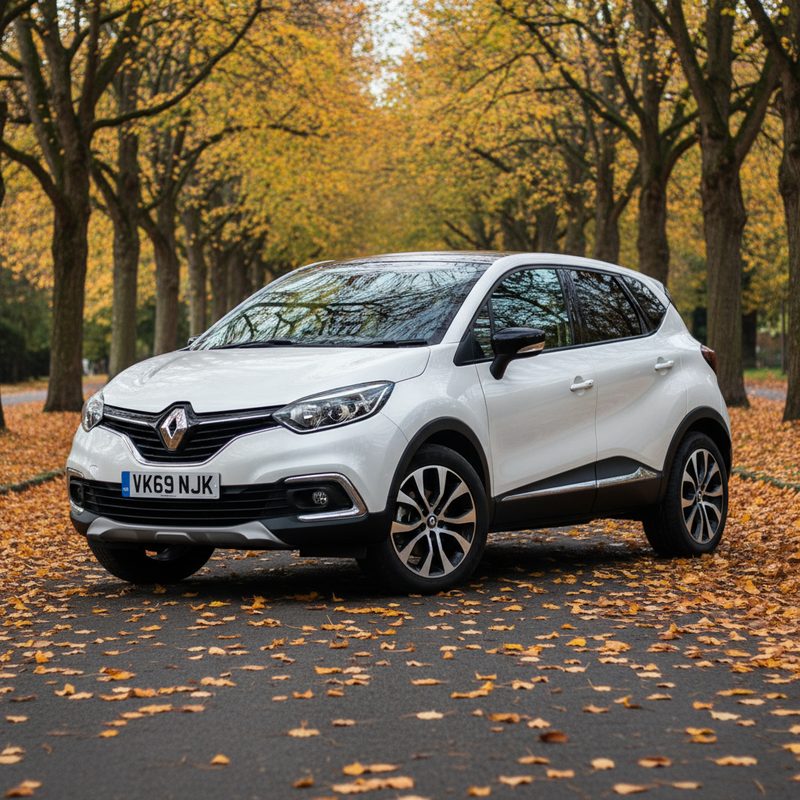
Negotiating a Used 2019 Renault Captur
Learn how to effectively negotiate the price of a used 2019 Renault Captur with expert advice and actionable tips.
Understanding the Fair Market Price for a 2019 Renault Captur
When considering the purchase of a used 2019 Renault Captur, the first step is to understand its fair market price. The Captur is a popular compact SUV known for its stylish design and practicality, making it a sought-after choice in the used car market. As of late 2023, the price range for a used 2019 Renault Captur typically falls between £12,000 and £17,000, depending on factors such as mileage, condition, and trim level.
For instance, a base model with higher mileage may be priced closer to £12,000, while a well-maintained model with lower mileage and additional features could command prices upwards of £17,000. It's crucial to research various listings on platforms like AutoTrader and CarGurus to get a comprehensive view of what similar models are selling for in your area. This knowledge will empower you during negotiations, allowing you to make informed offers based on actual market conditions.
Specific Leverage Points for Buyers
When it comes to negotiating the price of a used Renault Captur, having specific leverage points can significantly enhance your bargaining power. Here are some effective strategies:
-
Vehicle History Report: Obtaining a MOT history of the vehicle is another critical factor. A clean MOT history indicates that the car has been well-maintained, while a history of failed tests or repeated advisories can be a red flag. Use this information to your advantage; if the car has a poor MOT history, you can argue for a reduced price.
-
Market Comparison: As mentioned earlier, comparing prices of similar models in your area can provide solid grounds for negotiation. If you find a comparable Captur listed for less, bring this up during discussions.
-
Condition and Mileage: Pay close attention to the car's condition and mileage. If the vehicle shows signs of wear and tear or has higher mileage than average, use this as leverage to negotiate a better deal.
-
Timing: Timing your purchase can also give you an edge. Dealers are often more willing to negotiate at the end of the month or quarter when they are trying to meet sales targets.
Sample Negotiation Script
To help you navigate the negotiation process, here’s a sample dialogue you might encounter when discussing the price of a used 2019 Renault Captur:
Buyer: "Thanks for showing me the Captur. I’ve done some research, and I see similar models listed for around £14,000. I noticed this one is priced at £15,500. Can we discuss that?"
Seller: "This model is in excellent condition and has low mileage, which justifies the price."
Buyer: "I appreciate that, but I also checked the MOT history, and it has a couple of advisories from last year. That makes me a bit concerned about potential future costs. Would you consider lowering the price to £14,000?"
Seller: "I understand your concerns, but I can’t go that low. How about £15,000?"
Buyer: "I’m still not comfortable with that. Given the advisories and the fact that I found similar models for less, I think £13,500 is a fair offer."
Seller: "Let me check with my manager."
This script illustrates a respectful yet assertive approach to negotiation. Always remain polite, but don’t hesitate to stand your ground based on the research you’ve conducted.
Knowing When to Walk Away
One of the most crucial aspects of negotiation is knowing when to walk away. If the seller is unwilling to meet your price or address your concerns, it may be time to consider other options. Here are some signs that it might be best to walk away:
-
Unwillingness to Negotiate: If the seller is rigid and refuses to consider any offers or counter-offers, it may indicate that they are not motivated to sell.
-
Overpricing: If the asking price is significantly higher than the fair market value and the seller is not willing to adjust, it might be a sign that you should look elsewhere.
-
Red Flags in Vehicle History: If the vehicle history report reveals serious issues and the seller dismisses your concerns, it’s a good idea to walk away.
-
Pressure Tactics: If the seller is using high-pressure sales tactics to rush you into a decision, it’s a red flag. A reputable dealer will allow you the time to make an informed decision.
Common Dealer Tactics to Watch For
When negotiating for a used car, it’s essential to be aware of common dealer tactics that may be employed to sway your decision. Here are a few to watch out for:
-
High-Pressure Sales: Some dealers may try to pressure you into making a quick decision, often claiming that the car is in high demand. Take your time and don’t let them rush you.
-
Focusing on Monthly Payments: Dealers may shift the conversation towards monthly payments rather than the total price of the vehicle. This tactic can obscure the actual cost. Always negotiate based on the total price.
-
Trade-In Manipulation: If you have a trade-in, be cautious. Dealers may offer you a low trade-in value while inflating the price of the car you want to buy. Keep these transactions separate during negotiations.
-
Add-Ons and Extras: Dealers may try to upsell you on add-ons like extended warranties or service packages. Be clear about what you want and don’t feel obligated to accept extras that you don’t need.
Using MOT History as Negotiation Ammo
The MOT history of a vehicle can serve as a powerful tool in your negotiation arsenal. Here’s how to leverage it effectively:
-
Request the MOT History: Before making an offer, ask the seller for the MOT history of the Captur. You can also check it online through the DVLA website using the vehicle registration number.
-
Identify Patterns: Look for any recurring issues or advisories. If the car has a history of failing its MOT or has had multiple advisories, this can indicate potential problems that may require costly repairs in the future.
-
Use Findings in Negotiation: If you discover any concerning patterns in the MOT history, bring them up during negotiations. For example, if the car has had repeated issues with brakes or emissions, you can argue for a lower price based on the likelihood of future repairs.
-
Highlight a Clean MOT: Conversely, if the Captur has a clean MOT history, you can use this as a bargaining chip to justify a higher offer, but still within the fair market range.
Conclusion
Negotiating the price of a used 2019 Renault Captur doesn’t have to be a daunting task. By understanding the fair market price, identifying leverage points, and being aware of common dealer tactics, you can approach the negotiation process with confidence. Remember to utilise the vehicle’s MOT history as a valuable tool in your discussions.
Always be prepared to walk away if the deal doesn’t meet your expectations. With the right preparation and mindset, you can secure a great deal on your next used car purchase. So, get out there, do your research, and don’t hesitate to negotiate like a pro!