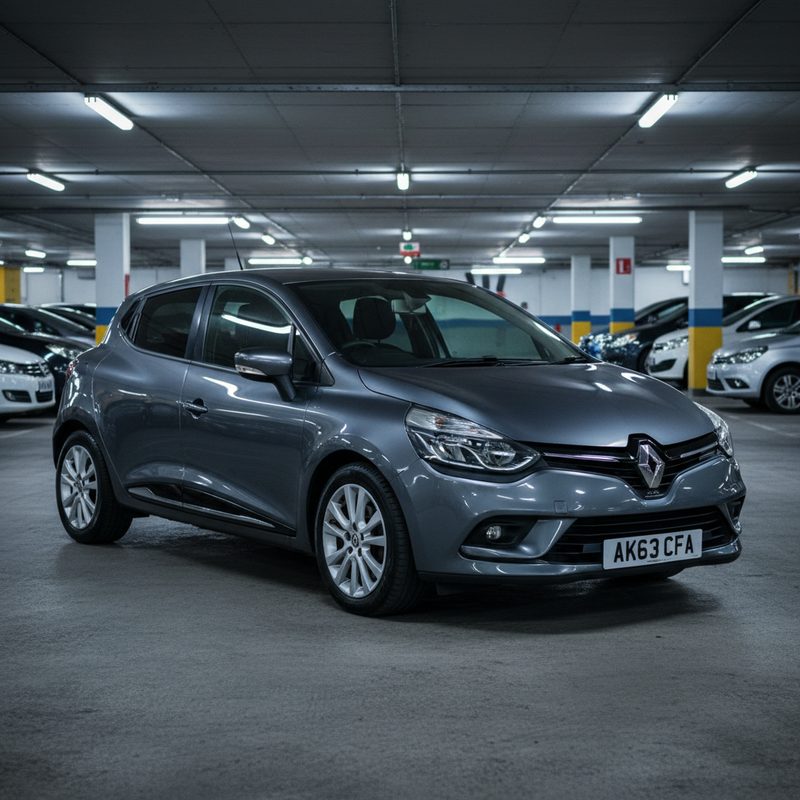
Is This 2019 Renault Clio a Fair Price
Learn how to determine if a 2019 Renault Clio is fairly priced and gain negotiation strategies to secure the best deal.
Understanding the 2019 Renault Clio
The 2019 Renault Clio is a popular choice among UK drivers, known for its stylish design, efficient engines, and advanced technology. As a supermini, it competes with other well-regarded models like the Ford Fiesta and Volkswagen Polo. If you're considering purchasing a used Clio, understanding its market price and how to negotiate effectively can save you a significant amount of money. This guide will provide you with valuable insights into fair pricing, negotiation tactics, and how to leverage the car's MOT history to your advantage.
Fair Market Price Range for the 2019 Renault Clio
When evaluating whether a specific 2019 Renault Clio is fairly priced, the first step is to understand the fair market price range. As of late 2023, the price for a used 2019 Renault Clio typically falls between £12,000 and £16,000, depending on factors such as mileage, condition, trim level, and additional features.
For example, a base model with higher mileage may be priced closer to £12,000, while a low-mileage, high-spec version could command upwards of £16,000. Websites like AutoTrader and Parkers can provide you with a good benchmark for current listings. Additionally, consider checking the car's history through services like HPI Check to ensure there are no hidden issues that could affect its value.
Specific Leverage Points Buyers Can Use
When negotiating the price of a 2019 Renault Clio, having specific leverage points can significantly enhance your bargaining power. Here are a few strategies to consider:
-
Vehicle History: If you have access to the car's service history, use it to your advantage. A well-documented service history can justify a higher price, while a lack of maintenance records can be a red flag.
-
MOT History: The MOT history can reveal potential issues with the vehicle. If the car has failed previous MOTs or has a history of recurring problems, this can be a strong negotiation point. You can argue for a lower price based on the potential costs of repairs.
-
Market Comparisons: Research similar models in your area. If you find comparable cars at lower prices, use this information to negotiate. Presenting evidence of lower-priced alternatives can compel the seller to reconsider their asking price.
-
Condition of the Car: If you notice any cosmetic or mechanical issues during your inspection, use these as negotiation points. For example, if the tyres are worn or there are scratches on the bodywork, you can request a discount to cover the cost of repairs.
-
Timing: Timing your purchase can also work in your favour. Dealers are often more willing to negotiate at the end of the month or during sales events when they are trying to meet sales targets.
An Actual Negotiation Script/Dialogue Example
To help you feel more confident during negotiations, here’s a sample dialogue you might encounter when discussing the price of a 2019 Renault Clio:
Buyer: "I’ve done some research and noticed that similar models are listed for around £13,500. Your asking price of £15,000 seems a bit high. Can we discuss this?"
Seller: "Well, this Clio is in excellent condition and has low mileage. It’s worth the asking price."
Buyer: "I understand, but I noticed that it has had a couple of advisories on its MOT history, which could indicate potential issues. I’m concerned about the costs I might incur. Would you be willing to lower the price to £13,000?"
Seller: "I can’t go that low, but I could do £14,500."
Buyer: "I appreciate that, but I’ve also found that the tyres will need replacing soon, which will add to my costs. How about we meet halfway at £13,750?"
Seller: "Alright, I can agree to that."
This dialogue illustrates the importance of being prepared with research and specific points to discuss. Always remain polite and professional, as this can help foster a positive negotiation atmosphere.
When to Walk Away
Knowing when to walk away is a crucial aspect of negotiation. If the seller is unwilling to budge on the price despite your valid points, it may be time to consider other options. Here are some signs that it might be best to walk away:
-
Unrealistic Expectations: If the seller is adamant about a price that is significantly above market value and shows no willingness to negotiate, it may indicate that they are not serious about selling.
-
Lack of Transparency: If the seller is evasive about the car’s history or condition, this could be a red flag. A trustworthy seller should be willing to provide all necessary information.
-
Pressure Tactics: If you feel rushed or pressured to make a decision, it’s often a sign that the seller is more interested in closing the sale than ensuring you’re making a good purchase.
-
Hidden Issues: If during your inspection you discover significant issues that were not disclosed, it’s wise to walk away. There are plenty of other vehicles on the market that may better suit your needs.
Common Dealer Tactics to Watch For
When negotiating with a dealer, it’s essential to be aware of common tactics they might use to maintain their profit margins. Here are a few to watch for:
-
Lowballing Trade-In Offers: If you’re trading in a vehicle, dealers may offer you a low trade-in value to offset the price of the car you’re buying. Research your trade-in’s value beforehand to ensure you receive a fair offer.
-
Focusing on Monthly Payments: Dealers may try to shift the conversation towards monthly payments rather than the overall price of the car. This can obscure the true cost of the vehicle, so always focus on the total price.
-
Add-Ons and Extras: Be cautious of add-ons that can inflate the price, such as extended warranties or service plans. While these can be beneficial, ensure they are necessary and worth the additional cost.
-
Creating a Sense of Urgency: Dealers may pressure you to make a quick decision by suggesting that the car will sell soon. Take your time to consider your options and don’t rush into a purchase.
How MOT History Gives You Negotiation Ammo
The MOT history of a vehicle is a valuable tool for negotiation. It provides insights into the car's condition and can help you identify potential issues that may not be immediately apparent. Here’s how to use MOT history effectively:
-
Check for Failures: If the MOT history shows previous failures, investigate the reasons. If the same issues have recurred, this could indicate underlying problems that may require costly repairs.
-
Advisories: Look for advisories on the MOT history. These are warnings about potential issues that may need attention soon. Use these as negotiation points to argue for a lower price, as you may need to invest in repairs shortly after purchase.
-
Frequency of Tests: A car that has consistently passed its MOT without issues is generally a good sign. However, if the car has missed MOT tests or has a patchy history, this could be a red flag.
-
Mileage Trends: The MOT history will also show the mileage at each test. If there are significant discrepancies, this could indicate that the odometer has been tampered with, which is a serious concern.
Conclusion
Purchasing a used 2019 Renault Clio can be a smart decision, but it’s essential to ensure you’re paying a fair price. By understanding the market price range, leveraging specific negotiation points, and being aware of common dealer tactics, you can approach the buying process with confidence. Remember to utilise the car's MOT history as a powerful negotiation tool, giving you the upper hand in discussions. If you’re feeling overwhelmed, consider getting a free vehicle check to uncover any hidden issues that could affect your negotiation. With the right preparation and knowledge, you can secure a great deal on your next car purchase. Happy car hunting!