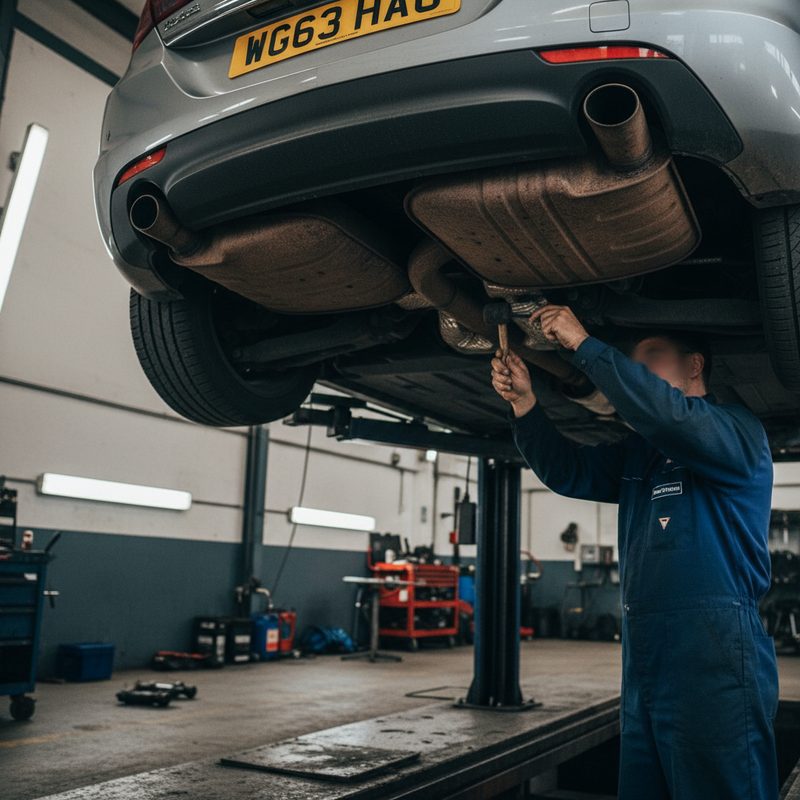
Exhaust Blowing MOT Advisory: Patch or Replace
An exhaust blowing advisory on your MOT can be concerning. This guide explains what it means, the seriousness, repair costs, and whether to patch or replace.
Understanding the Exhaust Blowing Advisory
So, you’ve just received your MOT results, and there it is: an advisory for a blowing exhaust. First things first, don’t panic. This advisory is quite common and can mean a few different things. In plain English, it indicates that there’s a leak somewhere in your exhaust system. This could be due to a hole, crack, or a loose connection. The exhaust system is crucial for directing harmful gases away from the engine and reducing noise, so it’s important to address this issue sooner rather than later.
When you see an advisory like this, it’s a signal that your exhaust isn’t functioning at its best. It doesn’t necessarily mean your car is unsafe to drive, but it does warrant your attention. Ignoring it could lead to more significant issues down the line, such as failing the next MOT or even causing damage to other components of your vehicle.
How Serious Is a Blowing Exhaust?
The seriousness of a blowing exhaust can vary. On one hand, it might just be a minor annoyance, causing a bit of noise or a slight drop in fuel efficiency. However, on the other hand, it can also lead to more severe problems, particularly if the leak is significant. A blowing exhaust can allow harmful gases, such as carbon monoxide, to enter the cabin of your car, which is obviously a safety concern.
In terms of immediate safety, a minor blow may not pose a critical risk, but it’s essential to consider the long-term implications. If the leak worsens, it could lead to more extensive repairs, such as needing to replace the entire exhaust system. Additionally, if your car is emitting more pollutants than it should, you could face fines or penalties if you’re stopped by the authorities.
If you are weighing up alternatives, our guide to Track Rod End Worn MOT Advisory covers similar ground from a different angle.
Typical Repair Costs for an Exhaust Blowing Advisory
Now, let’s talk money. The cost of repairing a blowing exhaust can vary widely, depending on the extent of the damage and the make and model of your vehicle. If it’s a simple fix, like tightening a loose connection or patching a small hole, you might be looking at around £50 to £100. However, if the damage is more significant and requires replacing parts of the exhaust system, costs can escalate to anywhere between £200 and £600.
For example, a full exhaust system replacement on a popular model like a Ford Focus could set you back around £300 to £500, including parts and labour. It’s worth getting a few quotes from local garages to ensure you’re getting a fair price. Websites like AutoTrader can help you find reputable garages in your area.
How Urgent Is This Repair? Can You Wait or Fix Now?
The urgency of addressing a blowing exhaust really depends on how severe the leak is. If you’re only experiencing a slight noise and no noticeable drop in performance or fuel efficiency, you might be able to wait a little while before getting it fixed. However, if you notice a significant increase in noise, a drop in power, or a warning light on your dashboard, it’s best to get it sorted as soon as possible.
For more on this topic, take a look at our What Does 'Rear Suspension Bush Worn' Mean on an MOT? Serious or Not? guide.
In general, it’s advisable not to leave it too long. Even minor leaks can worsen over time, leading to more extensive damage and higher repair costs. If you’re unsure about the severity of the issue, it’s always a good idea to have a mechanic take a look. They can provide a more accurate assessment and help you decide whether to patch or replace.
What to Watch for If This Advisory Appears Repeatedly
If you find that the advisory for a blowing exhaust keeps cropping up on your MOTs, it’s a red flag. Repeated advisories can indicate that there’s an underlying issue that needs to be addressed. It could be a sign of poor-quality repairs, a fault in the exhaust system design, or even issues with the engine itself.
Keep an eye out for any changes in your car’s performance. If you notice increased noise, a drop in fuel efficiency, or even strange smells inside the cabin, it’s time to take action. Regularly checking your exhaust system for signs of wear and tear can also help you catch problems early before they become more serious. If you’re not comfortable doing this yourself, consider asking your mechanic to include it in their routine checks.
You might also find our DPF Blocked on MOT guide useful alongside this one.
How This Affects the Car's Value and Your Negotiation Position
An exhaust blowing advisory can have a significant impact on your car’s value, especially if you’re considering selling it. Potential buyers will likely be wary of any advisories on the MOT, particularly if they’re related to the exhaust system. If you’re looking to negotiate a sale, you’ll need to factor in the cost of repairs when setting your asking price.
For instance, if your car has a blowing exhaust advisory and you know that repairs could cost upwards of £300, you might want to lower your asking price by that amount or more. Being upfront about the advisory can also build trust with potential buyers. They’ll appreciate your honesty, and it may make them more willing to negotiate.
Additionally, if you’re in the market for a used car, it’s wise to check the full MOT history of any vehicle you’re considering. You can do this easily through the GOV.UK MOT history service. This will give you a clearer picture of any recurring issues, including exhaust advisories, and help you make a more informed decision.
We have covered related ground in our Brake Disc Worn guide, which is worth reading if this subject interests you.
Patch or Replace: Making the Right Decision
When faced with a blowing exhaust advisory, you’ll need to decide whether to patch or replace the affected section. This decision often comes down to the extent of the damage and your budget. Patching can be a quick and cost-effective solution, especially for small holes or cracks. However, it’s important to remember that patches are often temporary fixes. If the exhaust is old or corroded, a patch might not hold up for long.
On the other hand, replacing the damaged section or the entire exhaust system can be more expensive upfront, but it often pays off in the long run. A new exhaust can improve your car’s performance, fuel efficiency, and reduce emissions. If you’re planning to keep your car for several more years, investing in a replacement might be the better option.
Factors to Consider
- Extent of Damage: If the damage is minor, a patch might suffice. For larger holes or extensive corrosion, replacement is usually the best route.
- Age of the Exhaust: If your exhaust system is nearing the end of its lifespan, it might be worth replacing it entirely rather than patching it up.
- Budget: Consider what you can afford. If you’re tight on cash, a patch might be the only option right now, but plan for a replacement in the future.
- Future Plans: If you’re thinking of selling the car soon, a quick patch might be enough to get it through the next MOT. However, if you plan to keep it for a while, investing in a new exhaust could save you money in the long run.
You can check the exact safety score for any model on the Euro NCAP website.
Conclusion
A blowing exhaust advisory on your MOT can be concerning, but it’s important to approach the situation with a clear head. Understanding what the advisory means, how serious it is, and the potential costs involved can help you make an informed decision about whether to patch or replace your exhaust. Always keep an eye on your car’s performance and don’t hesitate to consult a mechanic if you’re unsure.
Remember, regular maintenance and checks can prevent small issues from becoming big problems. If you’re considering buying a used car, be sure to check its full MOT history to avoid any nasty surprises down the line. Use the GOV.UK DVLA check to gather all the information you need. Stay informed, and you’ll be well on your way to making smarter decisions about your vehicle.