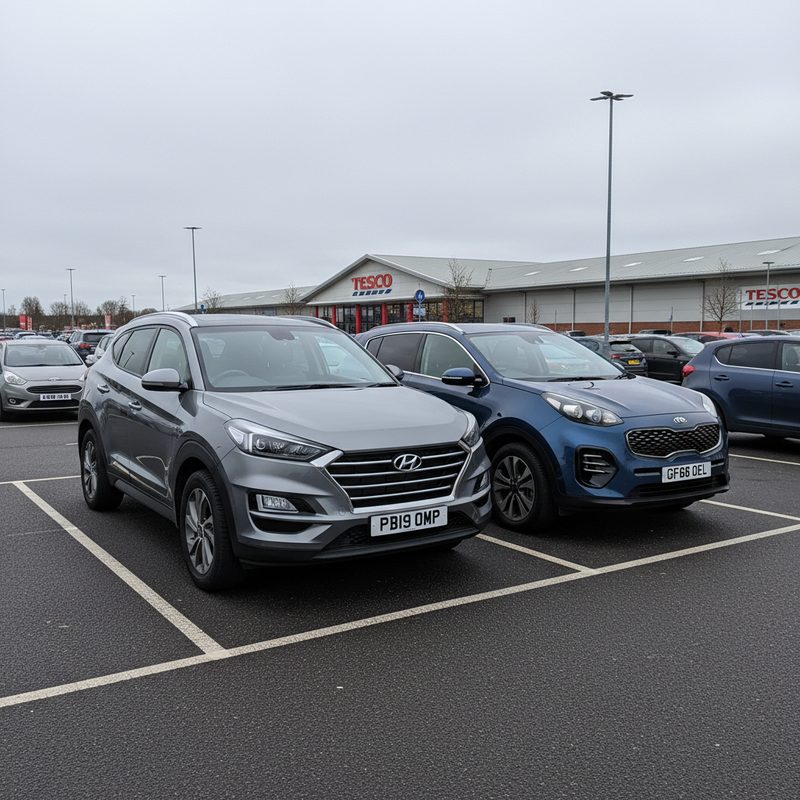
Hyundai Tucson vs Kia Sportage: Korean SUV Comparison
Explore the Hyundai Tucson and Kia Sportage in detail, comparing running costs, reliability, practicality, and value for money to help you make an informed decision.
Quick Verdict
When it comes to choosing between the Hyundai Tucson and the Kia Sportage, it’s a tough call as both SUVs offer a blend of style, practicality, and reliability. However, the Tucson edges ahead with its superior interior quality and slightly better fuel efficiency. The Sportage, on the other hand, boasts a more aggressive design and a slightly lower price point, making it a solid contender. Ultimately, your choice may hinge on personal preference regarding aesthetics and specific features.
Running Costs Compared
One of the most critical factors when considering a used SUV is the running costs. Both the Hyundai Tucson and Kia Sportage are known for their reasonable running expenses, but there are some differences worth noting.
If you are weighing up alternatives, our guide to Skoda Octavia vs Toyota Corolla covers similar ground from a different angle.
Insurance Groups
Insurance costs can vary significantly depending on the model and trim level. Generally, both vehicles fall into similar insurance groups, but the Tucson often sits slightly higher due to its more premium positioning. For instance, the Tucson can be found in insurance groups ranging from 12 to 24, while the Sportage typically ranges from 10 to 22. This means that if insurance costs are a major concern, the Sportage might be the more economical choice.
Fuel Economy
In terms of real-world fuel economy, both SUVs perform admirably. The Tucson, especially with its diesel engines, can achieve around 50-60 MPG, depending on the variant. The petrol engines are slightly less efficient, averaging around 40-50 MPG. The Sportage, on the other hand, offers similar figures, with its diesel models also reaching around 50-60 MPG, while petrol variants hover around 38-48 MPG.
Servicing and Maintenance
Servicing costs for both vehicles are relatively comparable, with annual servicing typically costing between £200-£300. However, the Tucson may have a slight edge here due to Hyundai's reputation for providing longer intervals between services, which can save you money in the long run.
Tyre Prices
Tyre prices can vary based on the size and brand, but generally, you can expect to pay around £70-£120 per tyre for both models, depending on the specifications. It's worth checking the specific tyre sizes for the model you’re considering, as this can affect overall running costs.
| Model | Insurance Group | Real-World MPG | Servicing Costs (Annual) | Tyre Price Range |
|---|---|---|---|---|
| Hyundai Tucson | 12-24 | 40-60 | £200-£300 | £70-£120 |
| Kia Sportage | 10-22 | 38-60 | £200-£300 | £70-£120 |
For more on this topic, take a look at our Kia Sportage vs Peugeot 3008 guide.
Reliability Compared
Reliability is a crucial factor when investing in a used vehicle, and both the Hyundai Tucson and Kia Sportage have established themselves as dependable choices in the SUV market.
You might also find our Used Nissan Qashqai or Kia Sportage? True Running Cost Comparison guide useful alongside this one.
MOT Pass Rates
According to recent data, both vehicles boast impressive MOT pass rates, typically hovering around 80-85%. However, the Tucson has been noted for slightly fewer failures related to suspension and brakes, which can be a significant consideration if you plan to keep the car for several years.
Common Failure Points
In terms of common issues, the Tucson has been reported to have occasional electrical gremlins, particularly in older models, while the Sportage has had some complaints regarding the turbocharger on diesel variants. It’s essential to check the specific history of any used vehicle you’re considering, as these issues can vary from car to car.
What Actually Breaks
When it comes to what actually breaks, the Tucson tends to have fewer reports of serious mechanical failures. However, the Sportage’s robust build means that while it may have some electrical issues, it generally holds up well under regular use. Always check the GOV.UK MOT history for any vehicle you’re considering to get a clearer picture of its reliability.
| Model | MOT Pass Rate | Common Issues | Mechanical Failures |
|---|---|---|---|
| Hyundai Tucson | 80-85% | Electrical issues in older models | Fewer serious failures |
| Kia Sportage | 80-85% | Turbocharger issues in diesels | Robust build, minor issues |
We have covered related ground in our Hyundai Ioniq vs Toyota Prius guide, which is worth reading if this subject interests you.
Practicality Compared
Both the Tucson and Sportage are designed with practicality in mind, making them suitable for families and those needing extra space.
You can check the exact safety score for any model on the Euro NCAP website.
Boot Space
The Hyundai Tucson offers a generous boot space of around 620 litres with the seats up, which is quite impressive. The Sportage, while slightly smaller, still provides a respectable 503 litres. If you often find yourself needing to haul larger items, the Tucson might be the better choice.
Rear Legroom
In terms of rear legroom, both vehicles are spacious, but the Tucson has a slight advantage, offering about 1,000 mm of legroom compared to the Sportage's 980 mm. This can make a difference for taller passengers on longer journeys.
Infotainment and Safety Kit
Both models come equipped with modern infotainment systems, but the Tucson's interface is often regarded as more user-friendly. The Tucson typically includes a larger touchscreen and more intuitive controls. Safety-wise, both SUVs score well in crash tests, but the Tucson often comes with more advanced safety features as standard, such as lane-keeping assist and adaptive cruise control.
| Model | Boot Space (litres) | Rear Legroom (mm) | Infotainment System | Safety Features |
|---|---|---|---|---|
| Hyundai Tucson | 620 | 1,000 | Larger, user-friendly | More advanced features |
| Kia Sportage | 503 | 980 | Good, but slightly smaller | Solid safety ratings |
Value for Money
When it comes to value for money, both the Tucson and Sportage have their strengths, but they cater to slightly different audiences.
Depreciation Curves
Both vehicles tend to depreciate at a similar rate, but the Sportage often holds its value slightly better due to its lower initial price point. If you’re looking for a vehicle that will retain its value well, the Sportage might be the way to go, especially if you buy it at a competitive price.
Sweet-Spot Age to Buy
In the current market, the sweet spot for buying either vehicle is typically around 3-5 years old. This age range allows you to benefit from the initial depreciation while still enjoying a relatively new car with modern features. For the Tucson, you might find better deals on slightly older models, while the Sportage could offer more competitive pricing on newer variants.
Dave's Final Call
So, which SUV should you choose? It really depends on your specific needs. If you’re after a family-friendly vehicle with a spacious interior, excellent fuel economy, and a few more premium touches, the Hyundai Tucson is likely your best bet. However, if you’re looking for a stylish SUV that’s a bit more affordable and still offers solid performance, the Kia Sportage is an excellent choice.
Best for Commuters
For daily commuting, the Tucson may be the better option due to its superior fuel efficiency and comfort on longer drives. The Sportage, while still a good choice, might not provide the same level of economy, especially if you opt for the petrol variants.
Best for Families
If you have a growing family, the Tucson’s larger boot space and rear legroom make it the ideal choice for family outings and road trips. The additional safety features also provide peace of mind when transporting loved ones.
Best on a Budget
For those on a tighter budget, the Sportage often comes in at a lower price point, making it a more accessible option for first-time buyers or those looking to save a few quid. Plus, with its solid reliability and lower insurance costs, it’s a smart choice for budget-conscious shoppers.
In conclusion, both the Hyundai Tucson and Kia Sportage are fantastic options in the used SUV market. Whichever you choose, make sure to check the vehicle's history using the DVLA vehicle check and consider running a free vehicle intelligence report to ensure you’re making a well-informed decision. Happy car hunting!