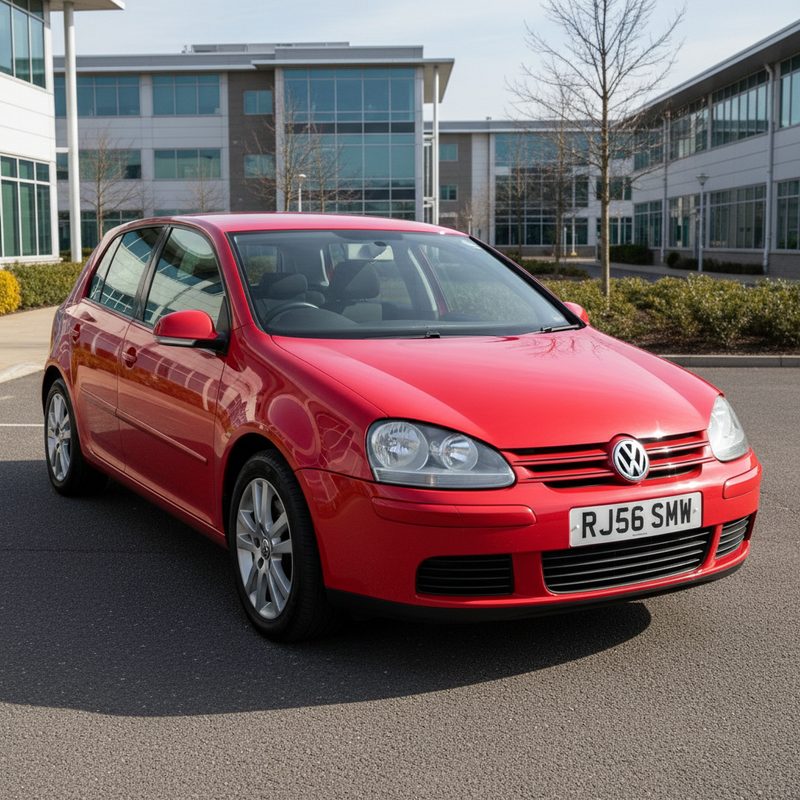
Volkswagen Golf Depreciation: Best Year to Buy Used for Value
The Volkswagen Golf is the benchmark family hatchback, but its premium pricing means heavy depreciation from new. Covering the sweet spot where value meets quality.
The Benchmark Hatchback and Its Depreciation Problem
The Volkswagen Golf is the car that every other family hatchback is measured against. It has been the default choice for buyers who want something a cut above the Fords and Vauxhalls of this world but do not want to stretch to a BMW or Audi. That premium positioning is both its strength and its Achilles heel when it comes to depreciation.
Here is the issue. A new Golf 8 in mid-spec Life trim with the 1.5 TSI engine costs around £29,000. Push into R-Line territory and you are north of £33,000. The GTI starts at £38,000, and the Golf R commands over £42,000. These prices put the Golf squarely in premium territory, and the depreciation reflects that premium starting point. You lose more pounds because there are more pounds to lose.
But the Golf has something working in its favour that cheaper rivals lack: brand cachet. Volkswagen carries genuine aspirational value in the UK, and that sustained desirability means the Golf's percentage depreciation is actually lower than most competitors. It is a subtle but important distinction.
Golf Mk8 Depreciation in Detail
Using a Volkswagen Golf 1.5 TSI R-Line (approximately £33,000 new):
- Year 1: Falls to about £24,400 (26% loss, around £8,600 gone)
- Year 2: Falls to about £20,500 (16% further loss)
- Year 3: Falls to about £17,400 (15% further loss)
- Year 4: Falls to about £15,000 (14% further loss)
- Year 5: Falls to about £13,000 (13% further loss)
- Year 6: Falls to about £11,400 (12% further loss)
A 26% first-year loss is notably better than the Ford Focus (30%), Vauxhall Astra (31%), or Hyundai i30 (29%). After five years, the Golf retains approximately 39% of its value -- again, ahead of most mainstream rivals. That stronger retention is directly attributable to the VW badge and the Golf's enduring desirability.
The Golf GTI tells an even more compelling story. A £38,000 GTI might be worth £27,000 after two years (29% loss), and £22,000 after three years (42% total loss). The GTI has a massive enthusiast following, and demand consistently outstrips supply on the used market. The Golf R is the ultimate residual champion -- a three-year-old R with modest mileage can still fetch £32,000 to £34,000 against a £42,000 new price, representing just 19-24% loss.
If you are weighing up alternatives, our guide to VW Polo Depreciation covers similar ground from a different angle.
Dave's Recommended Buying Window
For the standard Golf (1.5 TSI), I recommend three to four years old. A 2022 Golf R-Line with 30,000 miles costs around £16,000 to £18,500. That is a modern, well-built car with a quality interior, VW's digital cockpit, and reliable running gear for a substantial discount from the new price.
Hold it for three years and your total depreciation should be around £4,000 to £5,500 -- roughly £1,300 to £1,800 per year. Those are very competitive numbers for a car of this quality.
For the GTI, the sweet spot is also three to four years old. A 2022 GTI with 25,000 miles will set you back around £25,000 to £28,000. That feels expensive compared to mainstream rivals, but the GTI's slower depreciation from this point means your annual cost is only marginally higher than a standard Golf. The driving experience is in a completely different league.
The Golf R is a special case. I would actually buy one at two years old if budget allows, because the first-year depreciation is relatively modest and the car's value holds so well from year two onwards. A 2024 Golf R with 15,000 miles at around £36,000 will probably only lose £3,000 to £4,000 over the following two years.
For more on this topic, take a look at our BMW X5 Depreciation guide.
For the budget buyer, the Mk7.5 Golf (2017-2019 facelift) is a fantastic option. At seven to nine years old, prices start from £8,000 to £11,000 for a mid-spec car. The Mk7 platform is proven, reliable, and still feels thoroughly modern inside.
Which Variants Protect Your Investment
Engine Rankings
The 1.5 TSI EVO (150PS) is the mainstream engine and the best all-rounder. It is smooth, economical with cylinder deactivation, and universally desirable. The 1.0 TSI (110PS) is adequate but feels underpowered for a car this heavy and depreciates 3-5% faster.
The 2.0 TDI diesel (115PS or 150PS) was popular with fleet buyers. Diesel Golfs depreciate marginally faster than petrol in the current climate but still hold value better than diesel competitors. The 150PS version is the one to have.
The e-Hybrid PHEV is worth considering used. It listed at around £38,000 new and depreciates faster than the standard car, but at three to four years old it represents excellent value for buyers with home charging.
You might also find our Best Age to Buy a Ford Focus for Value guide useful alongside this one.
The 2.0 TSI in GTI (245PS) and R (320PS) form are the depreciation heroes of the range, as discussed above.
Trim Hierarchy
R-Line is the strongest mainstream trim for value. It has the sporty styling, larger wheels, and equipment that buyers search for. Life is the solid mid-range option. Active is the entry point and depreciates fastest.
GTI and R are their own categories, as performance car buyers evaluate them differently from standard models.
Estate vs Hatchback
The Golf Estate holds value approximately 3-5% better than the hatchback at every age. Supply is lower and family demand is consistent. If you need the space, the estate is the financially smarter purchase.
We have covered related ground in our Volkswagen T-Roc Depreciation guide, which is worth reading if this subject interests you.
Colour Choices
The Golf has strong colour preferences. White, grey, and black are evergreen. Moonstone Grey and Dolphin Grey are particularly desirable on the Mk8. Blue is always acceptable. Red is fine on GTI models (it is almost expected). Unusual colours like green or yellow are rare enough on Golfs that they do not carry a significant penalty -- but they do not help either.
What Hurts Golf Resale Values
The Mk8 Golf launched with well-publicised issues around its touch-sensitive controls and infotainment system. VW has issued numerous software updates, and later models are much improved. Early 2020 Mk8 Golfs with outdated software are worth less because the infotainment frustrations put buyers off. If buying an early Mk8, verify that the latest software updates have been applied.
Service history carries significant weight on a VW. Golf buyers expect a certain level of care, and a complete VW service history adds £800 to £1,500 to the value compared to one with gaps or independent stamps only. After the warranty expires, quality independent specialists are acceptable, but VW stamps are preferred.
Mileage impact is standard for the segment. A three-year-old Golf with 45,000 miles will be worth 12-15% less than one with 20,000 miles. On a car valued at £17,000, that is £2,000 to £2,550. Golf buyers expect moderate mileage and will pay a premium for low-mileage examples.
If things go wrong after purchase, Citizens Advice can help you understand your legal rights.
Alloy wheel condition is important because the Golf sits on distinctive wheels that are part of its visual identity. Kerbed alloys are common and costly to refurbish at £70 to £90 per wheel. A full set of damaged alloys will knock £400 to £600 off the asking price.
Protecting Your Golf's Value
Stick with R-Line trim in the 1.5 TSI for mainstream buying. Choose a popular colour. Buy at three to four years old with a full VW service record and under 30,000 miles. Budget £16,000 to £18,500.
For the GTI: buy at three years old in a neutral colour with the standard (non-Clubsport) specification for the widest resale appeal. Budget £25,000 to £28,000.
For the R: buy at two to three years old. The premium you pay over the GTI is largely recouped through even stronger value retention. Budget £32,000 to £36,000.
The FCA has a useful guide to car finance that explains your rights and what to watch for.
Maintain the service schedule without fail. VW servicing is more expensive than Ford or Vauxhall (£200 to £400 per service), but it is an investment in your resale value. Keep the car clean, protect the alloys, and address any infotainment issues through software updates.
Dave's Final Word
The Volkswagen Golf is a premium product that deserves its reputation. It drives well, it is built well, and it holds its value better than almost anything in the mainstream segment. The price premium over a Ford Focus or Vauxhall Astra is largely justified by the stronger residual values -- your actual cost of ownership per year is closer than the sticker prices suggest.
Before you buy any Golf, run the registration through Dave's vehicle check. VW's strong brand means that Golfs, particularly GTIs and Rs, are targeted by fraudsters -- clocked mileage, outstanding finance, and stolen vehicles are all risks. Verify every detail before you commit. A comprehensive check gives you the confidence to buy knowing the car's full history.
For current market values, search AutoTrader to see real asking prices by age and mileage. Check the MOT history on GOV.UK before buying, a clean MOT record supports stronger resale value. Look up insurance groups at Thatcham, lower groups cost less to own. Check Euro NCAP safety ratings for the model. And verify the car's details using the DVLA vehicle enquiry.