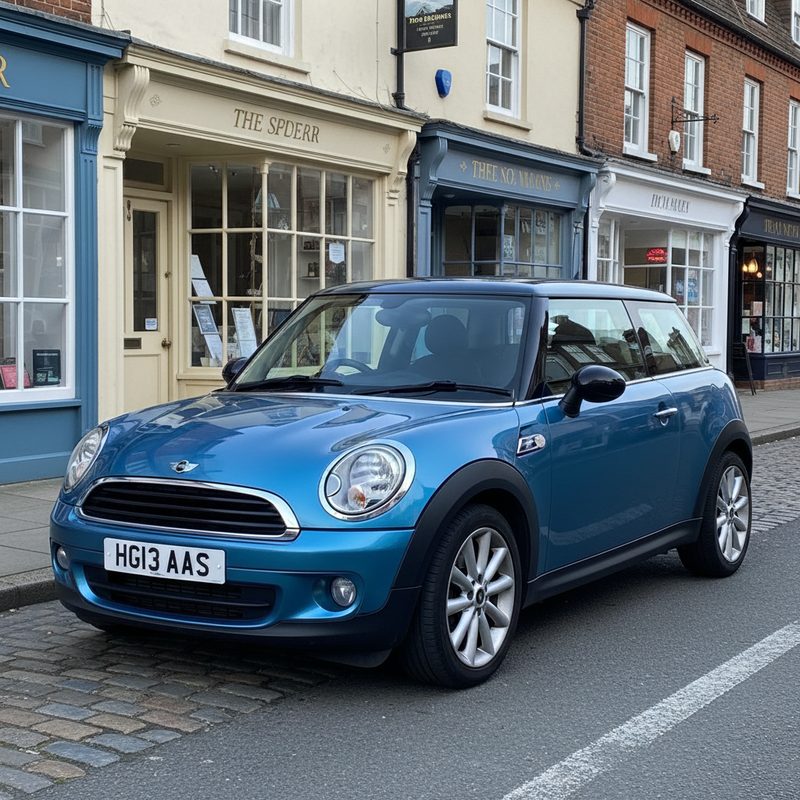
2020 Mini Hatch Electric: Small EV Worth Buying
The 2020 Mini Hatch Electric is a stylish and compact EV. This guide covers its features, potential problems, and overall value for money.
Overview of the 2020 Mini Hatch Electric
The 2020 Mini Hatch Electric, often referred to as the Mini Electric or Mini Cooper SE, marks a significant step for the iconic British brand into the realm of electric vehicles (EVs). Combining the classic Mini charm with modern electric efficiency, this model aims to attract both loyal Mini fans and new buyers looking for a compact EV. With its distinctive styling, zippy performance, and a range that suits urban driving, the Mini Hatch Electric is certainly a contender in the growing EV market.
But is it a good buy? Let’s delve deeper into its features, common issues, and running costs to help you make an informed decision.
Is the 2020 Mini Hatch Electric a Good Buy?
When considering whether the 2020 Mini Hatch Electric is a good buy, several factors come into play. Firstly, its design is undeniably appealing. The Mini's iconic look is preserved, with a few tweaks to accommodate the electric drivetrain. The interior is stylish and well-equipped, featuring a digital dashboard and high-quality materials that enhance the driving experience.
Performance-wise, the Mini Electric is equipped with a 32.6 kWh battery that provides a range of around 145 miles on a full charge. While this may not be the highest range in the EV market, it is generally sufficient for daily commuting and city driving. The car accelerates from 0 to 60 mph in just 7.3 seconds, making it a fun vehicle to drive, especially in urban environments where agility is key.
Moreover, the Mini Electric comes with a decent level of tech and safety features, including a touchscreen infotainment system, smartphone connectivity, and a suite of driver assistance systems. These features contribute to a modern driving experience that many buyers will appreciate.
However, potential buyers should also consider the limited rear space and boot capacity, which may not be ideal for families or those needing extra storage. Overall, if you’re looking for a stylish, compact EV primarily for city driving, the 2020 Mini Hatch Electric could be a great choice.
Common Problems and Known Issues
As with any vehicle, the Mini Hatch Electric is not without its potential issues. While it has generally received positive reviews, there are a few common problems reported by owners that you should be aware of:
-
Battery Performance: Some users have reported that the battery performance can degrade over time, particularly if the vehicle is frequently charged to 100%. It’s advisable to charge the battery to around 80% for daily use to prolong its lifespan.
-
Software Glitches: A few owners have experienced software glitches with the infotainment system, leading to unresponsive screens or connectivity issues. Regular software updates from Mini can help mitigate these problems, so ensure any used model you consider has the latest updates installed.
-
Charging Issues: While the Mini Electric supports various charging options, some users have noted difficulties with certain public charging stations. Always check compatibility with your local charging infrastructure before making a purchase.
-
Suspension Noise: A handful of drivers have reported unusual noises from the suspension, particularly on rough roads. If you’re considering a used model, it’s wise to test drive it over various surfaces to check for any abnormal sounds.
-
Paint Quality: Some owners have mentioned that the paint quality can be susceptible to chips and scratches. If you’re buying used, inspect the exterior closely for any signs of wear.
Being aware of these potential issues can help you make a more informed decision and ensure that you’re purchasing a vehicle that meets your expectations.
MOT Failure Patterns
Understanding common MOT failure patterns can save you from unexpected repair costs down the line. For the 2020 Mini Hatch Electric, here are some typical areas to consider:
-
Brakes: While the Mini Electric features regenerative braking, it’s essential to ensure that the brake pads and discs are in good condition. Worn brakes are a common failure point in many vehicles.
-
Tyres: Check the tread depth and overall condition of the tyres. The legal minimum tread depth is 1.6mm, but for safety, it’s advisable to replace them when they reach 3mm.
-
Lights and Indicators: Ensure all lights, including headlights, brake lights, and indicators, are functioning correctly. Faulty lights are a common reason for MOT failures.
-
Battery Health: While electric vehicles don’t undergo the same battery checks as traditional cars, any issues with the battery management system can lead to failure. Ensure the battery is in good condition and that the vehicle has been regularly serviced.
-
Bodywork: Check for any signs of corrosion or damage to the bodywork, as this can lead to an MOT failure if it affects structural integrity.
While the 2020 Mini Hatch Electric is a relatively new model and should have fewer issues than older cars, it’s still crucial to conduct a thorough inspection before purchase. Always ask for the vehicle’s MOT history to identify any past issues.
What You Should Expect to Pay
When it comes to pricing, the 2020 Mini Hatch Electric typically falls within the range of £20,000 to £25,000 for a used model, depending on mileage, condition, and trim level. Here’s a breakdown of what you might expect:
- Low Mileage Models (under 10,000 miles): Prices can range from £22,000 to £25,000. These models are often in excellent condition and may still be under warranty.
- Average Mileage Models (10,000 to 20,000 miles): Expect to pay around £20,000 to £22,000. These cars will have seen some use but should still be in good condition.
- Higher Mileage Models (over 20,000 miles): Prices can drop to around £18,000 to £20,000. While these models may have more wear, they can still offer good value if well-maintained.
Keep in mind that prices can vary based on location, dealership, and any additional features or packages included with the vehicle. Always do your research and compare prices from different sources to ensure you’re getting a fair deal.
Running Costs Overview
Understanding the running costs associated with the 2020 Mini Hatch Electric is crucial for budgeting. Here’s a breakdown of the main expenses you should consider:
-
Insurance: Insurance costs for the Mini Electric can vary based on your driving history and location. On average, you can expect to pay between £600 and £800 per year for comprehensive coverage. It’s advisable to shop around and compare quotes from different insurers to find the best deal.
-
Charging Costs: Charging the Mini Electric at home can cost around £5 to £7 for a full charge, depending on your electricity tariff. If you frequently use public charging stations, check their rates as they can vary significantly.
-
Maintenance and Servicing: Electric vehicles generally have lower maintenance costs than traditional petrol or diesel cars. However, you should still budget for regular servicing, which can cost between £150 and £300 annually. This includes checks on the battery, brakes, and software updates.
-
Road Tax: The 2020 Mini Hatch Electric is exempt from road tax, which is a significant saving compared to petrol or diesel vehicles. This can save you around £150 annually.
-
Depreciation: Like all cars, the Mini Electric will depreciate over time. However, electric vehicles tend to hold their value better than their petrol counterparts, especially as demand for EVs continues to rise.
Overall, the running costs for the Mini Hatch Electric are relatively low, making it an economical choice for those looking to switch to electric driving.
Dave's Honest Verdict
In conclusion, the 2020 Mini Hatch Electric is a stylish and practical choice for anyone looking to enter the world of electric vehicles. With its distinctive design, enjoyable driving dynamics, and reasonable running costs, it stands out as a compelling option in the compact EV segment.
However, potential buyers should be mindful of common issues such as battery performance and software glitches. Conducting thorough research and inspections before purchasing is essential to ensure you’re making a sound investment.
If you’re considering buying a used 2020 Mini Hatch Electric, I recommend checking its history with a free vehicle intelligence report. This will provide you with valuable insights into the car’s past, helping you avoid any potential pitfalls.
Overall, if you’re looking for a small, stylish EV primarily for city driving, the 2020 Mini Hatch Electric is definitely worth considering. Just ensure you do your due diligence, and you could end up with a fantastic little car that brings joy to your daily commute.