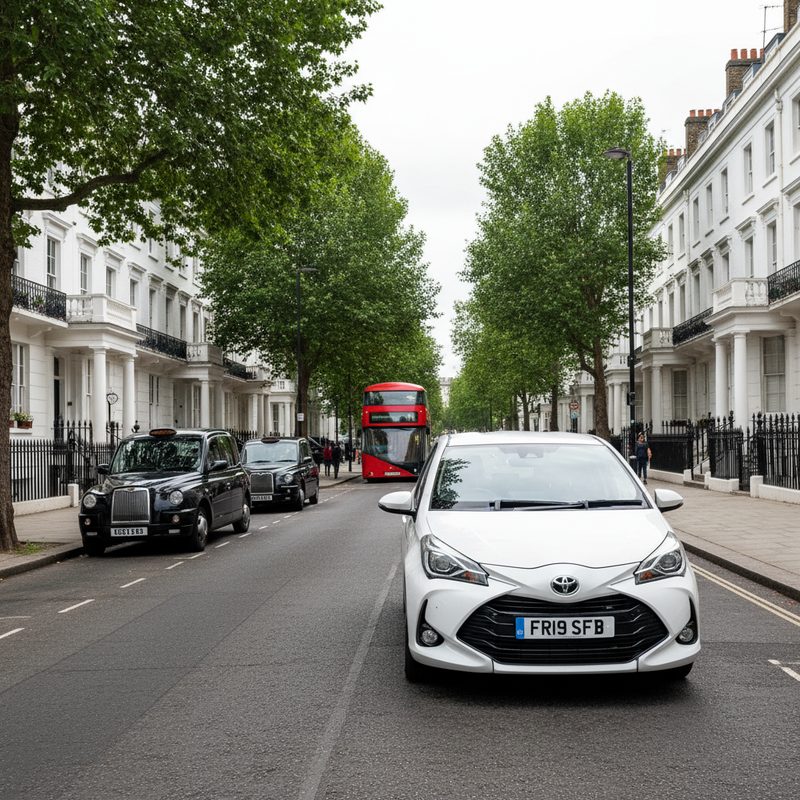
Used Car Buying Tips in London — Dave's Local Guide
Buying a used car in London comes with unique challenges. An top tips on navigating ULEZ, avoiding overpriced motors, and finding genuine value in the capital.
Buying a Used Car in London Is Different
I am not going to dress this up. Buying a Used Car in London is a completely different experience to buying one anywhere else in the UK. The prices are higher, the pressure is more intense, and there are costs that simply do not exist outside the M25. If you do not go in prepared, you will end up overpaying, buying the wrong car, or landing yourself with daily charges that eat into your budget.
But here is the good news: if you follow the right approach, London can actually be a great place to buy a Used Car. The sheer volume of stock means there is always a deal to be found. You just need to know Where To look and what to watch out for.
Let me walk you through everything I have learned from years of helping London buyers.
Understand ULEZ Before You Do Anything Else
This is tip number one and it is non-negotiable. London's Ultra Low Emission Zone now covers the entire Greater London area. Every car that drives within the boundary needs to meet minimum emission standards, or you pay GBP12.50 per day.
For petrol cars, that generally means Euro 4 or later, which covers most petrol cars registered from around 2006. For diesels, you need Euro 6, which typically means cars registered from September 2015 onwards. But there are exceptions on both sides, so never assume -- check the specific car's compliance on the TfL website.
Here is where it gets tactical. Non-ULEZ-compliant cars are actually cheaper to buy in London right now because nobody local wants them. If you live outside London and do not drive into the zone, you might pick up a bargain. But if you are a London resident, do not even think about buying a non-compliant car unless you enjoy throwing money away.
The ULEZ Scrappage Angle
TfL has run scrappage schemes in the past, offering London residents money towards scrapping non-compliant vehicles. These schemes come and go, so check whether one is currently running before you buy. If you are trading in a non-compliant car, you might be eligible for a grant that could go towards your next purchase.
Factor In All the London Costs
The sticker price is just the beginning when you buy a car in London. Here is what else you need to budget for.
Congestion Charge
If you drive into central London (roughly Zone 1), you will pay GBP15 per day for the Congestion Charge. That is on top of the ULEZ charge if your car is not compliant. Fully electric vehicles are currently exempt from the Congestion Charge, which is a massive financial incentive.
Parking Permits
Most London boroughs require residents to buy a parking permit, and costs vary wildly. Some boroughs charge under GBP100 a year, others charge over GBP300. Diesel vehicles and higher-emission cars often face surcharges. Check your borough's parking permit costs before buying -- they might influence what car you choose.
insurance Premiums
Car insurance in London is significantly more expensive than in other parts of the country. The average London premium runs 30% to 50% higher than the national average, thanks to higher crime rates, traffic density, and accident frequency. Get insurance quotes for any car you are considering before you commit to buying it.
Fuel and Charging
Petrol and diesel tend to cost a few pence more per litre in London compared to the national average. If you are going electric, check the availability of charging points near your home. London's charging infrastructure is growing fast, but it is not evenly distributed -- some boroughs have excellent coverage, others are lagging behind.
Choose the Right Car for London Life
Not every car is suited to London driving. Before you start browsing, think about what actually makes sense for your daily life in the capital.
Size Matters -- Smaller Is Usually Better
London streets are narrow, parking spaces are tight, and you will spend half your life squeezing through gaps between parked cars and buses. A compact car like a Ford Fiesta, Volkswagen Polo, MINI, or Toyota Yaris makes London driving so much easier.
That said, if you have a family and need space, a compact SUV like a Nissan Juke or Peugeot 2008 gives you the room without being too wide for London streets.
Automatic Gearboxes Are Worth Considering
London traffic is brutal. Stop-start driving through Brixton, crawling along the North Circular, queuing on the Westway -- it is exhausting in a manual. An automatic gearbox takes the strain out of city driving and is increasingly the norm for London buyers.
Petrol vs Diesel vs Electric
Diesel used to be the default for high-mileage drivers, but ULEZ has changed the equation in London. Unless your diesel is Euro 6 compliant, avoid it. Petrol is fine for most London driving -- journeys tend to be shorter, so diesel's fuel economy advantage is less relevant.
Electric is increasingly the smart choice for London drivers. No ULEZ charge, no Congestion Charge, cheaper "fuel" costs, and London's charging network is expanding rapidly. The higher purchase price often pays for itself within a couple of years through savings on charges and running costs.
Inspect the Car Like a London Car
London driving takes a specific toll on cars. When you go to view a Used Car in London, pay extra attention to these areas.
Suspension and Wheels
London roads are riddled with potholes and speed bumps. Check for uneven tyre wear, which could indicate suspension or alignment problems. Bounce each corner of the car and listen for clunks or creaks. Look at the alloy wheels for kerb damage -- London parking leaves its mark.
Bodywork and Bumpers
Door dings and bumper scuffs are practically a given on any car that has spent time in London. Minor cosmetic damage is normal and expected. But look for poorly repaired panels, mismatched paint, or signs of more serious accident damage that has been covered up.
Clutch Wear
If you are looking at a manual car, check the clutch carefully. London stop-start traffic is murder on clutches. A high biting point or any slipping under load could mean an expensive replacement is around the corner.
Interior Condition
London drivers spend a lot of time in their cars. Check for excessive wear on the driver's seat, steering wheel, and pedals. These should correspond with the mileage -- heavy wear on a supposedly low-mileage car is a red flag.
Negotiate Like a Londoner
London dealers expect negotiation. It is part of the culture. Walking in and paying the asking price is like leaving money on the table.
Know the Market Value
Before you visit any dealer, research what the car should cost. Use Autotrader, Motors.co.uk, and CAP valuations to get a realistic figure. If the dealer is asking significantly more than the market average, you have grounds to negotiate.
Point Out Every Flaw
Every scratch, every tyre that needs replacing, every missing service stamp -- these are all negotiating tools. Be polite but firm. A dealer who will not budge on a car with obvious issues is not worth dealing with.
Be Prepared to Walk Away
This is the most powerful negotiating tool you have. London dealers know that plenty of buyers will walk in tomorrow, but they also know that letting a ready buyer leave is a missed opportunity. If the price is not right, stand up and head for the door. You will be surprised how often the price suddenly becomes more flexible.
Watch the Finance Terms
If you are buying on finance, do not just look at the monthly payment. Check the APR, the total amount payable, and any balloon payment at the end. London dealers sometimes offer attractive monthly figures that mask an expensive overall deal. Compare the dealer's finance with your own bank or building society before signing anything.
Time Your Purchase Wisely
Timing can save you hundreds or even thousands on a London car purchase.
The quietest months for London dealers are January and February. People are skint after Christmas, and the weather puts off casual browsers. This is when you have the most bargaining power.
March and September see new registration plates, which floods the market with part-exchange stock. Dealers need to clear space, and that means deals on used inventory.
End of month and end of quarter are also good times. Salespeople have targets, and a deal that is marginal mid-month becomes a must-close on the 30th.
Always Check the Car's History
I have saved the most important tip for last. No matter where you buy, no matter how trustworthy the seller seems, always get an independent vehicle history check.
London's used car market is enormous, and that size means problems can hide more easily. Clocked mileage, outstanding finance, insurance write-offs, stolen vehicles -- these issues exist across the country, but the sheer volume of transactions in London means you are statistically more likely to encounter them.
Use Dave's vehicle check before you hand over a penny. It takes minutes, it is affordable, and it gives you the full picture on any car's history. Think of it as your insurance policy against a bad purchase. In a city where a used car can cost you GBP10,000, GBP20,000, or more, spending a few quid on a history check is the smartest decision you will make.
Check Car Buying Tips in London, instantly with Dave's free vehicle intelligence report.
Check any car you find with Dave