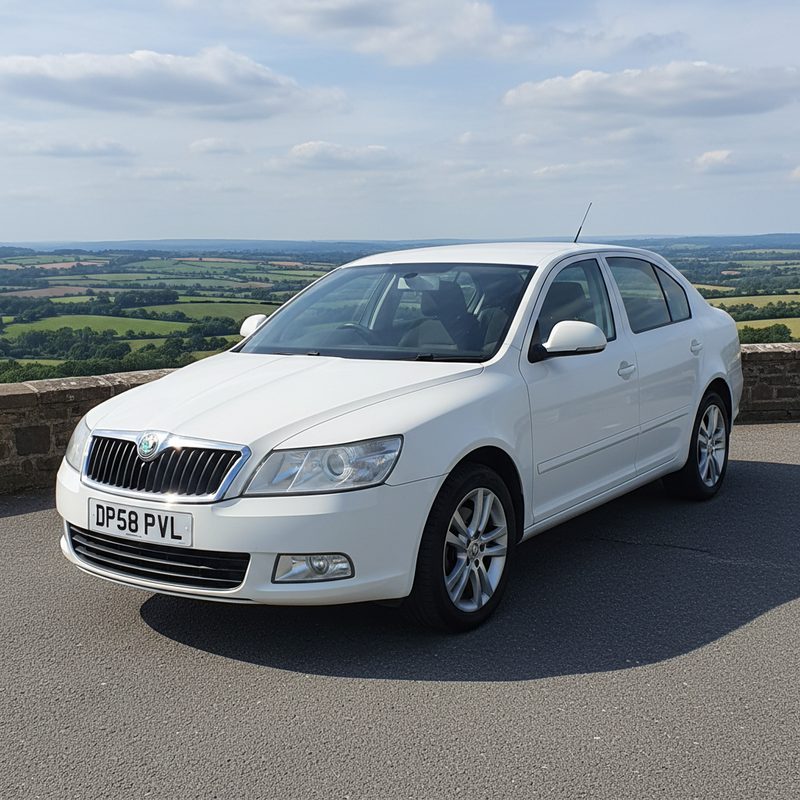
Skoda Octavia Running Costs — Best Value Family Car
Explore the comprehensive running costs of the Skoda Octavia, including insurance, fuel, servicing, and more, to understand why it's the best value family car.
Introduction
Ah, the Skoda Octavia. It’s like the Swiss Army knife of family cars: practical, reliable, and surprisingly versatile. If you’re on the hunt for a used family car that won’t break the bank, the Octavia is a solid contender. But before you dive headfirst into the world of Skoda, let’s break down the running costs. After all, it’s not just about the purchase price; it’s about what you’ll be shelling out over the years. So, grab a cuppa, and let’s get into it!
Total Annual Cost Estimate Breakdown
First off, let’s talk numbers. For a typical UK driver doing around 10,000 miles a year, the running costs of a Skoda Octavia can be quite manageable. Here’s a rough breakdown:
-
Fuel Costs: Assuming you’ve got a diesel model with an average fuel economy of about 55 MPG (which is quite reasonable for an Octavia), you’ll be looking at around 182 gallons of diesel per year. At current diesel prices of about £1.60 per litre, that’s roughly £1,200 annually.
-
Insurance: The Octavia typically falls into insurance groups 14 to 20, depending on the model and year. For a 35-year-old driver, you might expect to pay around £600 annually, but younger drivers could see that number rise to around £1,000.
-
Servicing: A minor service will cost you around £150, while a major service can set you back about £300. If you factor in one minor and one major service per year, you’re looking at approximately £450.
If you are weighing up alternatives, our guide to How Much Does a Mini Countryman Cost to Run covers similar ground from a different angle.
-
Repairs and Maintenance: Let’s budget about £300 for unexpected repairs. This could cover anything from a new brake pad to a minor electrical issue.
-
Road Tax: Depending on the engine, road tax can range from £0 to £200 per year. Let’s average that out to about £100.
-
MOT: If your car is over three years old, you’ll need an MOT every year, which typically costs around £50.
So, if we add all that up, you’re looking at an annual running cost of approximately £2,700. Not too shabby for a family car that can comfortably seat five and has a boot big enough to fit a small elephant (or at least a week’s worth of shopping).
For more on this topic, take a look at our Mercedes C-Class Annual Running Costs UK guide.
Insurance Costs
Now, let’s dig a bit deeper into insurance. As mentioned, the Skoda Octavia generally falls into insurance groups 14 to 20. This means that it’s relatively affordable to insure compared to some other family cars. Here’s a quick overview of typical annual costs by age bracket:
- Under 25: £1,000 - £1,500
- 25-35: £600 - £800
- 35-50: £500 - £700
- 50+: £400 - £600
To help keep those premiums down, here are a few tips:
- Shop Around: Use comparison sites to find the best deal. Don’t just go with the first quote you see.
- Increase Your Excess: If you can afford to pay a higher excess in the event of a claim, this can lower your premium.
- Consider Telematics Insurance: If you’re a safe driver, a black box insurance policy can reward you with lower premiums.
- Secure Your Car: Installing a good alarm or immobiliser can also help reduce costs.
By being savvy about your insurance, you can save a pretty penny each year, which can go towards that family holiday you’ve been dreaming about!
Fuel Costs
Fuel costs are a significant part of running any car, and the Skoda Octavia is no exception. While manufacturers often claim impressive MPG figures, real-world driving can tell a different story. For instance, while Skoda might advertise the Octavia as achieving 60 MPG, many drivers report more realistic figures around 50-55 MPG in mixed driving conditions.
You might also find our Skoda Kodiaq Running Costs guide useful alongside this one.
Let’s break it down further:
- Annual Mileage: 10,000 miles
- Real-World MPG: 55
- Total Gallons Needed: 10,000 miles / 55 MPG = 181.82 gallons
- Litres Needed: 181.82 gallons x 4.54609 = 826.67 litres
- Cost of Diesel: £1.60 per litre
- Annual Fuel Cost: 826.67 litres x £1.60 = £1,322.67
So, you’re looking at around £1,300 a year for fuel if you’re driving sensibly. However, if you’re a bit of a lead foot, expect that number to creep up. Driving style can significantly impact fuel efficiency, so if you want to save on fuel, consider:
- Smooth Acceleration: Avoid hard starts and stops.
- Maintain Steady Speeds: Use cruise control on motorways where safe.
- Regular Maintenance: Keeping your car in good nick can help it run more efficiently.
Servicing Costs
Keeping your Skoda Octavia in tip-top shape is crucial for longevity and reliability. Regular servicing is key, and here’s what you can expect:
Minor vs Major Service
- Minor Service: Typically includes an oil change, oil filter replacement, and checks on various components. Expect to pay around £150.
- Major Service: This is more comprehensive and includes everything in a minor service plus air filter, fuel filter, and spark plug replacements. This can cost around £300.
Dealer vs Independent Garage
While you might be tempted to go to a dealer for servicing, independent garages can often provide the same quality of service for a fraction of the price. A dealer might charge you £150 for a minor service, while an independent could do it for £100. Over time, these savings add up.
DIY Savings
If you’re handy with a spanner, you can save even more by doing some of the simpler tasks yourself. Changing the oil and filter can be done for around £50 if you buy the parts yourself. Just make sure you have the right tools and know what you’re doing!
Common Repair Costs
Like any car, the Skoda Octavia isn’t immune to wear and tear. Here are some common repairs you might encounter, along with typical costs:
- Brakes: Expect to pay around £250-£400 for a full brake pad and disc replacement.
- Tyres: A decent set of tyres can cost between £300-£600 depending on the brand and size.
- Suspension: Replacing shock absorbers can set you back about £300-£600.
- Clutch: If you need a new clutch, budget around £500-£800.
- Timing Belt/Chain: Replacing a timing belt can cost between £400-£600, and it’s crucial to do this at the recommended intervals (usually around 60,000 miles).
These costs can vary based on your location and whether you go to a dealer or an independent garage, so always get a few quotes before committing.
We have covered related ground in our Mazda CX-5 Running Costs guide, which is worth reading if this subject interests you.
Wear Items and Consumables
As with any car, there are certain items that will need regular replacement. Here’s what you can expect:
- Oil and Oil Filter: Change every 10,000 miles or annually. Cost: £50.
- Air Filter: Replace every 20,000 miles. Cost: £25.
- Fuel Filter: Change every 40,000 miles. Cost: £30.
- Brake Pads: Expect to replace these every 30,000-50,000 miles. Cost: £100-£150.
- Tyres: Depending on your driving style, you might need to replace these every 25,000-40,000 miles. Cost: £300-£600 for a full set.
Keeping an eye on these consumables can help you avoid more significant issues down the line, so don’t neglect them!
Comparison with Rivals
Now, how does the Skoda Octavia stack up against its rivals? Let’s take a look at a few competitors in the family car segment:
- Ford Focus: Generally similar in running costs, but insurance can be slightly higher, averaging around £700 for a 35-year-old.
- Volkswagen Golf: Known for its quality but can be pricier to maintain, with servicing costs often higher than the Octavia.
- Vauxhall Astra: Similar fuel economy but can have slightly higher repair costs, especially for suspension work.
- Honda Civic: Reliable but can be more expensive in terms of insurance and servicing.
If things go wrong after purchase, Citizens Advice can help you understand your legal rights.
Overall, the Octavia tends to offer better value for money, especially when you factor in the spacious interior and boot space.
Dave's Money-Saving Tips
Alright, let’s wrap this up with some actionable tips to keep your running costs down:
- Shop Around for Insurance: Don’t settle for the first quote. Use comparison sites to find the best deal.
- Keep Up with Servicing: Regular maintenance can prevent costly repairs down the line.
- Drive Smoothly: Your driving style can significantly impact fuel consumption, so take it easy on the accelerator.
- Buy Quality Parts: When it comes to replacements, opt for quality parts that may cost a bit more upfront but last longer.
- Join a Car Club: Some car clubs offer discounts on servicing and parts, which can save you money.
Conclusion
The Skoda Octavia is a fantastic choice for families looking for a reliable, spacious, and economical car. With manageable running costs and plenty of features, it’s hard to go wrong. Just remember to keep an eye on those expenses, and you’ll be well on your way to enjoying all the benefits this car has to offer. And don’t forget to check out Dave’s free vehicle intelligence report before making any decisions — it could save you a fortune in the long run! Happy driving!
Check Skoda Octavia, instantly with Dave's free vehicle intelligence report.
Check any Skoda Octavia with Dave's free vehicle intelligence report