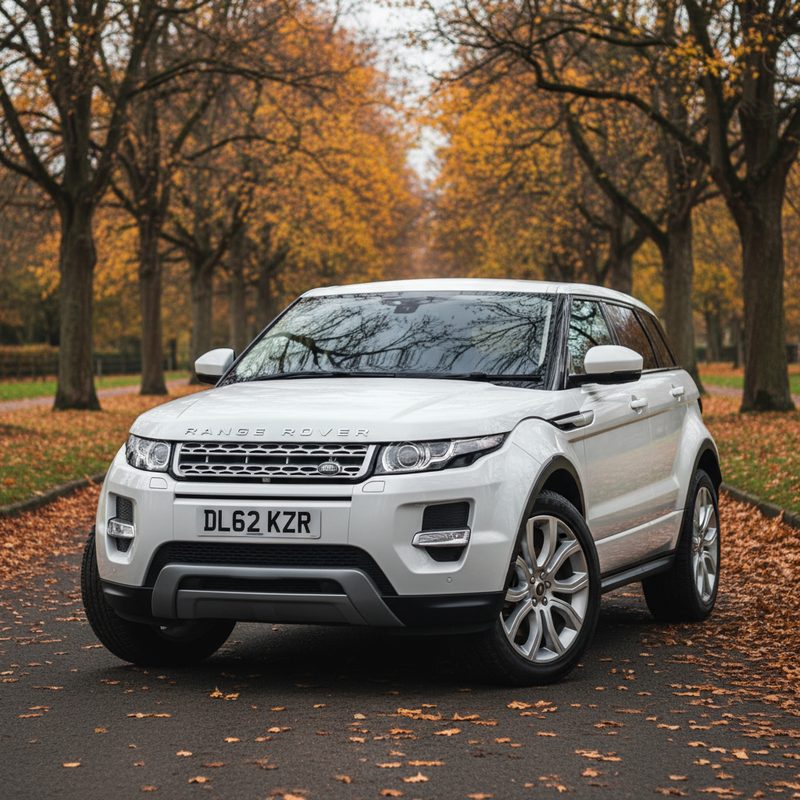
Range Rover Evoque Annual Running Costs — The Honest Truth
Explore the comprehensive annual running costs of the Range Rover Evoque, including insurance, fuel, servicing, and tips for saving money.
Understanding the Range Rover Evoque
The Range Rover Evoque is a compact luxury SUV that has carved out a niche for itself in the UK market. Known for its stylish design, impressive off-road capabilities, and a plush interior, it appeals to a wide range of buyers. However, owning an Evoque comes with its own set of financial considerations. In this guide, we will break down the annual running costs associated with the Evoque, providing you with a realistic picture of what to expect as a typical UK driver covering around 10,000 miles a year.
Total Annual Cost Estimate Breakdown
When considering the total annual costs of owning a Range Rover Evoque, it’s essential to look at various components: fuel, insurance, servicing, road tax, and depreciation. For a typical driver covering 10,000 miles annually, here’s a breakdown of these costs:
-
Fuel Costs: The Evoque is available with a range of engines, including petrol and diesel options. The diesel variants tend to be more fuel-efficient, achieving around 50-60 mpg under ideal conditions, while petrol models typically deliver around 30-40 mpg. Assuming an average fuel cost of £1.50 per litre, a diesel Evoque covering 10,000 miles could cost approximately £1,200 annually in fuel, while a petrol variant might set you back around £1,500.
-
Insurance: The Evoque falls into insurance groups ranging from 27 to 43, depending on the model and trim. For a 30-year-old driver, the average annual insurance premium could be around £800 to £1,200. Younger drivers or those with less experience could see premiums significantly higher, potentially exceeding £2,000.
-
Servicing: Regular servicing is crucial for maintaining the Evoque’s performance and reliability. A minor service typically costs around £200, while a major service could be closer to £400. Assuming one major and one minor service per year, you might expect to pay around £600 annually.
-
Road Tax: The road tax for the Evoque varies based on CO2 emissions. For a model emitting around 130g/km, the annual tax would be approximately £165. However, newer models with lower emissions may qualify for reduced rates.
-
Depreciation: The Evoque tends to depreciate at a rate of about 15-20% per year, which can equate to a loss of £3,000 to £5,000 in value annually, depending on the model and condition.
Adding these figures together, the total annual running costs for a Range Rover Evoque could range from approximately £3,800 to £5,500, depending on the specific model and driving habits. This estimate provides a realistic overview for prospective buyers.
Insurance Costs Explained
Insurance is a significant part of the running costs for any vehicle, and the Range Rover Evoque is no exception. As mentioned, the Evoque falls into various insurance groups, which can greatly influence the premium you’ll pay. Here’s a closer look at what you can expect:
Typical Insurance Groups
The Evoque’s insurance groups range from 27 to 43. Generally, the higher the group number, the more expensive the insurance. For instance, a base model might be in group 27, while a fully loaded version could be in group 43.
Annual Costs by Age Bracket
- Under 25: Expect to pay upwards of £2,000 annually, as younger drivers are seen as higher risk.
- 25-35: Premiums typically range from £1,000 to £1,500.
- 35-50: Costs may drop to around £800 to £1,200.
- Over 50: Experienced drivers often see the best rates, potentially around £700 to £1,000.
Tips to Reduce Premiums
To keep your insurance costs manageable, consider the following tips:
- Shop Around: Use comparison sites to find the best deals.
- Increase Your Excess: Opting for a higher voluntary excess can lower your premium.
- Secure Parking: If you have a garage or off-road parking, inform your insurer, as this can reduce your premium.
- Telematics Insurance: Consider a black box policy if you’re a younger driver; it can reward safe driving with lower premiums.
Fuel Costs: What to Expect
Fuel costs are a significant part of the running costs for the Evoque, and understanding the real-world fuel economy is crucial for budgeting.
Real-World MPG vs Manufacturer Claims
While the manufacturer may claim impressive fuel economy figures, real-world driving often yields different results. For instance, the diesel variants may achieve around 50-60 mpg under ideal conditions, but in everyday driving, you might realistically see figures closer to 45-50 mpg. Petrol models, on the other hand, are often less efficient, with real-world figures typically around 30-35 mpg.
Annual Fuel Spend
Assuming an average of 50 mpg for a diesel model, the annual fuel cost for a typical driver covering 10,000 miles would be:
- Fuel Price: £1.50 per litre
- Miles per Gallon: 50 mpg (approx. 5.6 litres per 100 km)
- Annual Fuel Cost:
- 10,000 miles ÷ 50 mpg = 200 gallons
- 200 gallons x £1.50 = £1,200
For petrol models achieving around 35 mpg, the calculation would be:
- Annual Fuel Cost:
- 10,000 miles ÷ 35 mpg = 285.7 gallons
- 285.7 gallons x £1.50 = £1,400
Driving Style Impact
Your driving style can significantly impact fuel consumption. Smooth acceleration, maintaining a steady speed, and avoiding excessive idling can help improve your mpg. Regular maintenance, such as keeping tyres properly inflated, can also enhance fuel efficiency.
Servicing: Keeping Your Evoque in Top Shape
Regular servicing is essential for the longevity and performance of your Range Rover Evoque. Understanding the servicing schedule and associated costs can help you budget effectively.
Full Service Schedule
The Evoque typically requires a minor service every 12 months or 12,000 miles and a major service every 24 months or 24,000 miles. Here’s a breakdown:
- Minor Service: Includes oil and filter change, checks on brakes, lights, and fluid levels. Costs around £200.
- Major Service: More comprehensive, including air filter replacement, spark plugs (for petrol models), and a thorough inspection of all systems. Costs around £400.
Dealer vs Independent Garage Costs
While you can take your Evoque to an official [[[Land Rover](/guides/vehicle-model-insights/2010-land-rover-discovery-4-proper-off-roader-on-a-budget)](/guides/mileage-risk/discovery-sport-at-80000-miles-reliability-reality-check)](/guides/running-costs/discovery-sport-running-costs-can-you-really-afford-one) dealer for servicing, independent garages often offer more competitive pricing. A dealer may charge £600 for a full service, while an independent garage might do it for £400. However, ensure that any garage you choose is familiar with Land Rover vehicles to maintain warranty coverage.
DIY Savings
If you’re handy with tools, you can save significantly by performing minor services yourself. Oil changes, air filter replacements, and even brake pad changes can be done at home, potentially saving you hundreds of pounds annually.
Common Repair Costs
Like any vehicle, the Range Rover Evoque may require repairs over its lifespan. Understanding common issues and their associated costs can help you prepare for unexpected expenses.
Typical Repair Costs
- Brakes: Replacing brake pads can cost around £150-£300, while discs may set you back £250-£400.
- Tyres: Depending on the brand and size, expect to pay around £100-£200 per tyre. A full set could cost between £400 and £800.
- Suspension: Replacing shock absorbers can cost around £300-£600.
- Clutch Replacement: A clutch replacement can be a significant expense, typically costing around £800-£1,200.
- Timing Belt/Chain: If your model has a timing belt, replacement can cost around £500-£800, while timing chains often last longer but can be expensive if they fail.
Mileage Intervals
Most of these repairs will be needed at various mileage intervals. For example, brake pads may need replacing every 20,000-30,000 miles, while a clutch might last 60,000-100,000 miles, depending on driving style.
Wear Items and Consumables
As with any vehicle, certain parts of the Evoque will require regular replacement due to wear and tear. Understanding these consumables can help you budget effectively.
Regular Replacements
- Oil and Filters: Expect to change the oil and filters annually, costing around £100-£150.
- Brake Pads: As mentioned, these may need replacing every 20,000-30,000 miles, costing £150-£300.
- Tyres: Depending on driving conditions, you may need to replace tyres every 25,000-40,000 miles.
- Wiper Blades: These should be replaced every 6-12 months, costing around £20-£40.
Cost Implications
Keeping track of these wear items and planning for their replacement can help you avoid unexpected costs. Regular maintenance can also extend the life of these components, saving you money in the long run.
Comparing Costs with Rivals
When considering the Range Rover Evoque, it’s wise to compare its running costs with similar vehicles in its class. Here’s how it stacks up against a few competitors:
BMW X1
The BMW X1 is a strong rival, known for its driving dynamics and practicality. In terms of running costs, the X1 typically has slightly lower fuel consumption, averaging around 50-55 mpg for diesel models. Insurance costs are comparable, but servicing can be slightly more affordable, often around £500 for a major service.
Audi Q3
The Audi Q3 offers a premium feel similar to the Evoque. However, running costs can be higher due to its tendency to depreciate faster. Fuel economy is similar, but servicing costs can be higher, averaging around £600 for a major service.
Ford Kuga
The Ford Kuga is a more budget-friendly alternative. Fuel costs are lower, with diesel models averaging around 55-60 mpg. Insurance is generally cheaper, especially for younger drivers, and servicing costs are often lower, making it a more economical choice overall.
In summary, while the Evoque offers a luxurious experience, it may not be the most economical choice compared to rivals like the Ford Kuga.
Dave's Money-Saving Tips
Owning a Range Rover Evoque doesn’t have to break the bank. Here are some actionable tips to help you reduce your running costs:
- Shop Around for Insurance: Use comparison sites to find the best deals and consider multi-car policies if you have more than one vehicle.
- Maintain Your Vehicle: Regular servicing and maintenance can prevent costly repairs down the line. Keep an eye on wear items and replace them as needed.
- Drive Efficiently: Adopt a smooth driving style to maximise fuel efficiency. Avoid heavy acceleration and excessive idling.
- Consider Fuel Types: If you’re considering a petrol model, weigh the benefits of diesel, especially if you do a lot of motorway driving.
- Use Independent Garages: For servicing, consider reputable independent garages that can offer competitive pricing without compromising on quality.
Conclusion
The Range Rover Evoque is a stylish and capable SUV, but it’s essential to understand the annual running costs before making a purchase. With a total estimated annual cost ranging from £3,800 to £5,500, it’s crucial to factor in insurance, fuel, servicing, and potential repairs. By being proactive and following the money-saving tips outlined in this guide, you can enjoy your Evoque without the financial stress.
Before you buy, make sure to check any Land Rover Range Rover Evoque with Dave's free vehicle intelligence report to ensure you’re making a sound investment. This report can help you uncover any hidden issues and give you peace of mind as you drive off in your new vehicle.
Check Land Rover Range Rover Evoque, instantly with Dave's free vehicle intelligence report.
Check any Land Rover Range Rover Evoque with Dave's free vehicle intelligence report