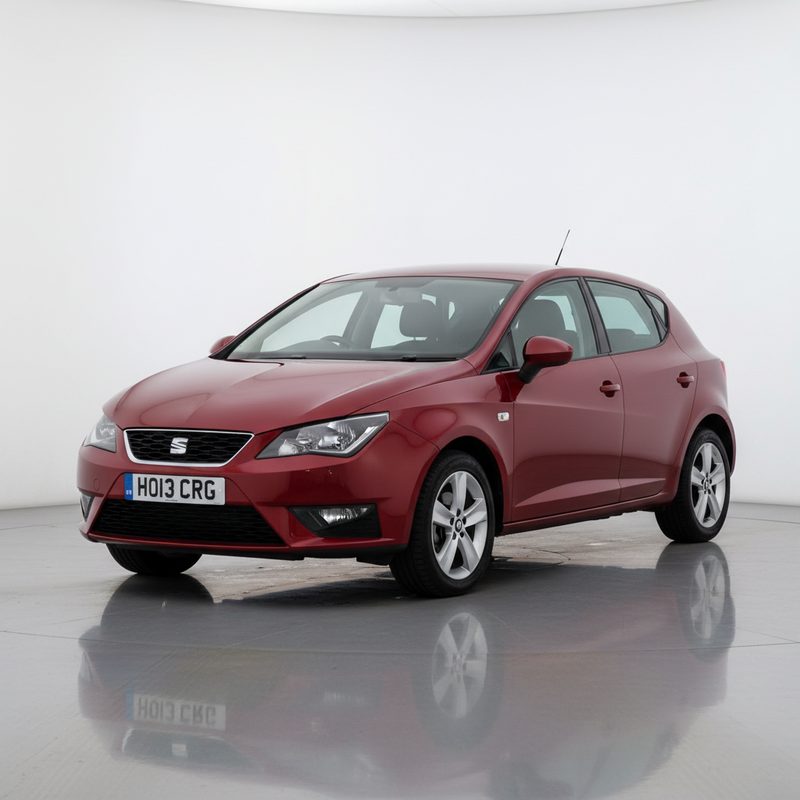
How Much Should I Pay for a 2018 SEAT Ibiza FR
This guide offers detailed insights into pricing, negotiation strategies, and leverage points for purchasing a 2018 SEAT Ibiza FR, ensuring you get the best deal possible.
Understanding the 2018 SEAT Ibiza FR
When it comes to compact cars, the 2018 SEAT Ibiza FR stands out as a popular choice among buyers in the UK. Known for its sporty design, efficient engines, and advanced technology, the Ibiza FR combines style with practicality. But before you dive into negotiations, it’s crucial to understand what you should be paying for this vehicle.
The Ibiza FR is often praised for its responsive handling and comfortable interior, making it an ideal option for both city driving and longer journeys. With a range of engine options, including petrol and diesel, buyers can choose a variant that best suits their needs. However, knowing the fair market price is essential to ensure you’re not overpaying.
Fair Market Price Range for the 2018 SEAT Ibiza FR
The first step in your negotiation journey is to establish a fair market price for the 2018 SEAT Ibiza FR. As of now, prices for a used 2018 Ibiza FR typically range from £12,000 to £16,000, depending on factors such as mileage, condition, and additional features.
For instance, a model with lower mileage (under 30,000 miles) and a full service history could command a price closer to £16,000. In contrast, a higher mileage example (over 50,000 miles) or one with minor cosmetic issues might be available for around £12,000. It’s also worth noting that the specific trim level and optional extras, like upgraded infotainment systems or safety features, can influence the price.
To get a more accurate picture, consider checking online platforms such as AutoTrader, eBay Motors, or local dealership listings. Comparing prices across different sellers can help you identify what’s reasonable in your area. Additionally, tools like Vehicle Intelligence can provide insights into the vehicle’s history, which can be a game-changer in negotiations.
Specific Leverage Points Buyers Can Use
Once you’ve established a price range, it’s time to think about how you can leverage this information during negotiations. Here are some specific points to consider:
-
Vehicle History Check: Before you even step foot in a dealership, obtain a free vehicle check. This report can reveal important details about the car’s past, including any accidents, previous ownership, and service history. If the report shows any red flags, you can use this information to negotiate a lower price.
-
Market Comparisons: If you’ve found similar models listed for less, bring this data to the table. Showing the dealer that you’ve done your homework can strengthen your position. For example, if you find another 2018 Ibiza FR with similar mileage and condition listed at £13,500, you can argue that the dealer’s asking price of £15,000 is too high.
-
Condition and Inspection: If you notice any cosmetic issues or mechanical concerns during your inspection, use these as negotiation points. For instance, if there’s a scratch on the bumper or the tyres need replacing, you can request a reduction in price to cover these repairs.
-
MOT and Service History: A full service history and a recent MOT can add value to the car, but if the car is due for an MOT soon or has a patchy service record, this can be a bargaining chip. You might say, "I see the last service was over a year ago, and the MOT is due next month. I’d expect a lower price given the potential costs I’ll incur soon."
An Actual Negotiation Script/Dialogue Example
Let’s put these strategies into practice with a sample negotiation dialogue. Imagine you’re at a dealership looking at a 2018 SEAT Ibiza FR listed for £15,000.
You: "Thanks for showing me the Ibiza FR. I’ve done some research, and I see that similar models are going for around £13,500. Can we discuss the price?"
Dealer: "Well, this one is in excellent condition and has low mileage. It’s priced fairly."
You: "I understand, but I also noticed it has a few scratches on the bumper and the tyres look worn. I’d need to factor in those repair costs."
Dealer: "Those are minor issues. I can’t go lower than £14,500."
You: "I appreciate that, but I also ran a vehicle history check and saw that it had a minor accident reported last year. Given that and the condition, I think £13,000 is a fair offer."
Dealer: "That’s quite low, but let me see what I can do."
In this scenario, you’ve effectively used market comparisons, vehicle history, and condition to negotiate a better price. Remember, the key is to remain calm and confident throughout the process.
When to Walk Away
Knowing when to walk away is just as important as negotiating. If the dealer is unwilling to budge on price or dismisses your concerns about the vehicle’s condition, it might be time to consider other options. Here are some signs that it’s time to walk away:
-
Unreasonable Price: If the dealer refuses to negotiate and the price is significantly above the market range you’ve researched, don’t hesitate to walk away. There are plenty of other SEAT Ibizas out there.
-
Lack of Transparency: If the dealer is evasive about the vehicle’s history or avoids answering your questions, this could indicate potential issues with the car. Trust your instincts — if something feels off, it probably is.
-
Pressure Tactics: If the dealer is using high-pressure sales tactics to rush you into a decision, it’s a red flag. A reputable dealer will give you the space to make an informed choice.
-
No Room for Compromise: If the dealer is unwilling to address your concerns or offer any concessions, it’s a sign they may not be the right seller for you. Remember, you’re in control of the buying process.
Common Dealer Tactics to Watch For
Dealerships often employ various tactics to maximise their profits, and being aware of these can help you navigate the negotiation process more effectively. Here are some common tactics to watch for:
-
Inflated Pricing: Some dealers may list cars at a higher price, expecting buyers to negotiate down. They might say, "We’re open to offers," but start with an inflated price to give themselves room to manoeuvre.
-
Focus on Monthly Payments: Dealers may try to shift the conversation from the total price to monthly payment plans. While financing is important, focus on the overall cost of the vehicle to avoid getting trapped in a long-term commitment that costs more in the long run.
-
Limited Time Offers: You might hear phrases like, "This deal is only valid today!" or "We have another buyer interested!" These tactics are designed to create urgency. Take your time and don’t let fear of missing out rush your decision.
-
Trade-In Pressure: If you’re trading in your old vehicle, dealers might lowball the trade-in offer while trying to sell you the new car at a higher price. Always research your trade-in’s value separately to ensure you’re getting a fair deal.
How MOT History Gives You Negotiation Ammo
The MOT history of a vehicle can be a powerful tool in negotiations. A thorough MOT check can reveal the car’s condition and any recurring issues that might affect its performance. Here’s how you can leverage MOT history:
-
Identify Past Failures: If the MOT history shows that the car has failed in the past, especially on critical components like brakes or suspension, this could indicate potential future problems. Use this information to negotiate a lower price, saying something like, "I see this car had issues with its brakes last year. I’d need to factor that into my offer."
-
Upcoming Costs: If the MOT is due soon, you can argue that you’ll need to budget for potential repairs or servicing. For example, you might say, "With the MOT coming up, I’d expect a lower price to cover any costs that may arise."
-
Service History Correlation: A consistent MOT history can indicate that the car has been well-maintained. However, if the MOT history is patchy, it might suggest neglect. Use this to your advantage by stating, "The MOT history isn’t consistent, which raises concerns about how well the car has been cared for."
-
Negotiation Leverage: If the car has recently passed its MOT with no advisories, this can be a positive point in your favour. However, if it has advisories, you can use this as leverage to negotiate a better price, saying, "I see there were advisories on the last MOT. I’d like to see a reduction in price to account for these potential issues."
Conclusion
Negotiating the price of a 2018 SEAT Ibiza FR doesn’t have to be a daunting experience. By understanding the fair market price, leveraging specific points during negotiations, and being aware of common dealer tactics, you can confidently approach the buying process. Remember to conduct a thorough vehicle history check and be prepared to walk away if the deal doesn’t meet your expectations. With these strategies in hand, you’ll be well-equipped to secure the best deal possible on your next used car purchase. Happy negotiating!
Check 2018 SEAT Ibiza, instantly with Dave's free vehicle intelligence report.
Get a free vehicle check to find negotiation leverage on any SEAT Ibiza