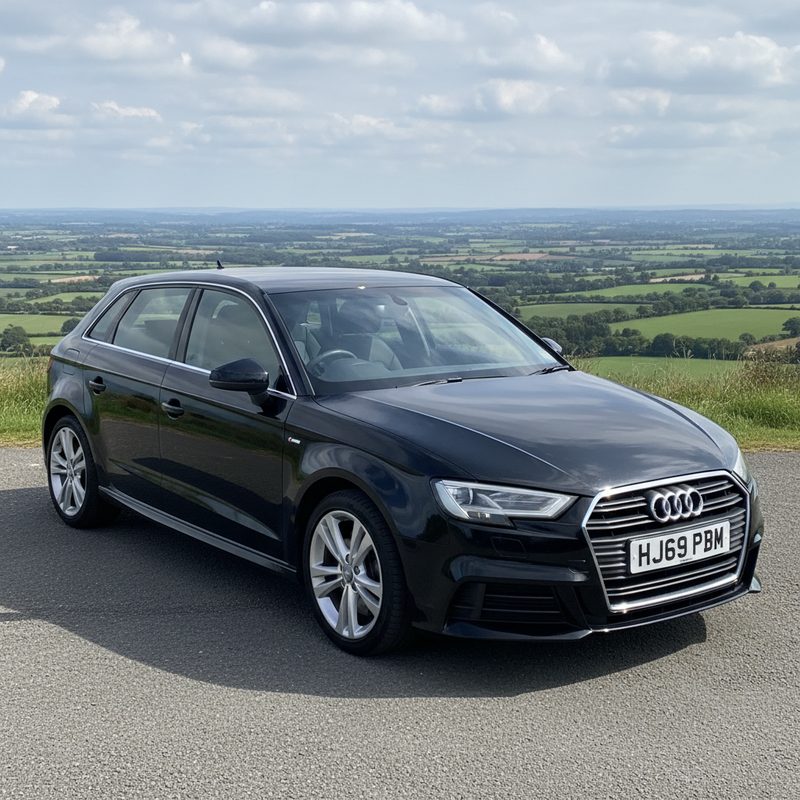
When Does an Audi A3 Stop Depreciating
Explore the depreciation patterns of the Audi A3, including the ideal purchase age and strategies to maintain its value over time.
Understanding Depreciation for the Audi A3
When it comes to buying a used car, understanding depreciation is crucial. The Audi A3, a popular choice in the UK, is known for its blend of performance, luxury, and practicality. However, like all vehicles, it experiences depreciation, which can significantly affect its resale value. Depreciation is the reduction in the value of a car over time, typically influenced by factors such as age, mileage, condition, and market demand.
The depreciation curve for the Audi A3 is relatively predictable, following a standard pattern seen in many vehicles. Generally, a new car loses about 20-30% of its value in the first year alone. For the Audi A3, this trend continues, with the vehicle losing approximately 50% of its original value by the end of the third year. After this point, the rate of depreciation tends to slow down, stabilising around the 5-7 year mark. By the time the car is around 8-10 years old, it may only depreciate by about 10-15% per year, making it a more stable investment for buyers.
Depreciation Curve for the Audi A3
To illustrate the depreciation curve more clearly, let’s consider a hypothetical scenario. If you purchase a brand-new Audi A3 for £30,000, you can expect it to be worth around £21,000 after the first year, representing a depreciation of about 30%. By the end of the second year, its value may drop to approximately £16,500. After three years, the value could settle around £15,000.
From this point, the depreciation rate begins to taper off. By year five, the car might be worth around £12,000, and by year seven, it could be valued at about £9,000. After the eight-year mark, the A3 typically holds its value better, with annual depreciation rates dropping to about 5-10%. This stabilisation is crucial for buyers looking for a used Audi A3, as it indicates a lower risk of rapid value loss.
Sweet Spot Age: Best Year to Buy for Value
Identifying the sweet spot for purchasing an Audi A3 can save you a significant amount of money while still providing a reliable vehicle. The best age to buy an Audi A3 is typically between three to five years old. At this stage, the car has already undergone its most significant depreciation, allowing you to purchase it at a much lower price compared to a new model, while still enjoying many of the benefits of a relatively new vehicle.
For instance, a three-year-old Audi A3 might cost around £15,000, compared to £30,000 for a new one. This means you’re saving £15,000 while still getting a car that is likely to be in excellent condition, has a good service history, and may still be under warranty. Additionally, cars in this age bracket often come with the latest technology and safety features, making them a smart choice for buyers.
Furthermore, by purchasing an A3 that is three to five years old, you can avoid the pitfalls of buying a vehicle that is too old and may require more maintenance. This age range strikes a balance between value and reliability, ensuring that you get the most bang for your buck.
Which Variants/Specs Hold Value Best
When considering the Audi A3, it’s essential to recognise that not all variants hold their value equally. Factors such as engine size, trim level, and additional features can significantly impact resale value. Generally, the more desirable specifications tend to hold their value better.
For example, the Audi A3 Sportback is often more sought after than the standard hatchback due to its practicality and additional space. Similarly, models with larger engines, such as the 2.0 TDI or the 2.0 TFSI, tend to attract buyers looking for performance, which can help maintain their value over time.
Trim levels also play a crucial role in value retention. The S line and Black Edition trims, which offer enhanced styling and additional features, are generally more desirable and can command higher resale prices. On the other hand, base models with fewer features may depreciate more rapidly, as buyers often prefer cars with more equipment and a premium feel.
In terms of colour, more neutral shades like black, white, and grey tend to hold value better than brighter, more unique colours. This is because they appeal to a broader audience, making them easier to sell when the time comes.
Factors That Affect This Model's Resale Value
Several factors can influence the resale value of an Audi A3, and being aware of these can help you make a more informed purchase.
-
Mileage: One of the most significant factors affecting resale value is mileage. Generally, the lower the mileage, the higher the value. An Audi A3 with under 50,000 miles will typically command a better price than one with 80,000 miles, all else being equal.
-
Condition: The overall condition of the vehicle is paramount. A well-maintained A3 with a full service history and no accidents will be worth significantly more than a neglected one. Regular servicing and keeping the car clean can help maintain its value.
-
Market Demand: The demand for specific models can fluctuate based on trends and economic conditions. For example, during times of economic uncertainty, buyers may lean towards more affordable options, which can affect the resale value of luxury models like the Audi A3.
-
Fuel Type: With the rise of electric vehicles and environmental concerns, petrol and diesel models may see varying levels of demand. Diesel models, once highly sought after, are experiencing a decline in popularity due to stricter emissions regulations. This shift can impact the resale value of diesel variants of the A3.
-
Modifications: While some modifications can enhance a car's appeal, others can detract from its value. Custom modifications may not appeal to all buyers and can limit your potential market when it comes time to sell.
How to Minimise Depreciation When You Buy
Minimising depreciation when purchasing an Audi A3 involves strategic decision-making at the time of purchase. Here are some practical tips to help you retain the value of your investment:
-
Buy Used: As discussed, purchasing a car that is three to five years old allows you to avoid the steepest part of the depreciation curve. This way, you can enjoy a nearly new car at a significantly reduced price.
-
Choose the Right Specification: Opt for a model with desirable features and specifications. Higher trims, popular engine sizes, and practical body styles tend to hold their value better.
-
Maintain the Car: Regular maintenance is key to preserving your car's value. Keep up with servicing, and address any issues promptly to avoid larger problems down the line.
-
Keep it Clean: A clean and well-maintained car is more appealing to potential buyers. Regularly wash and detail your Audi A3, and consider using protective coatings to keep the paint in top condition.
-
Limit Modifications: If you’re considering modifications, think carefully about how they might affect resale value. Stick to tasteful enhancements that are likely to appeal to a broad audience.
-
Document Everything: Keep a detailed service history and any receipts for work done. A well-documented car is more attractive to buyers and can help justify a higher asking price when it comes time to sell.
Dave's Recommendation on Timing Your Purchase
Timing your purchase can significantly impact the price you pay for an Audi A3. The best time to buy is typically at the end of the month or the end of the financial year when dealerships are keen to meet sales targets. During these periods, you may find better deals and more flexibility in negotiations.
Additionally, consider buying during the winter months. Demand for used cars tends to drop during this time, leading to lower prices. Conversely, spring and summer are peak times for car sales, and prices may be higher as buyers flock to dealerships.
Another factor to consider is the release of new models. When a new Audi A3 is launched, the previous generation often sees a drop in value. If you can wait for a new model release, you may find that prices for the outgoing model drop significantly, allowing you to snag a great deal.
Conclusion
Understanding the depreciation of the Audi A3 is essential for making a smart purchase. By recognising the depreciation curve, identifying the best age to buy, and knowing which variants hold their value best, you can make an informed decision. Additionally, being aware of the factors that affect resale value and taking steps to minimise depreciation can help you protect your investment.
If you're considering buying an Audi A3, I recommend checking its current value with my free report. This tool can provide you with valuable insights into the market, helping you make a more informed decision. Remember, knowledge is power when it comes to purchasing a used car, and being well-informed will ensure you get the best deal possible.