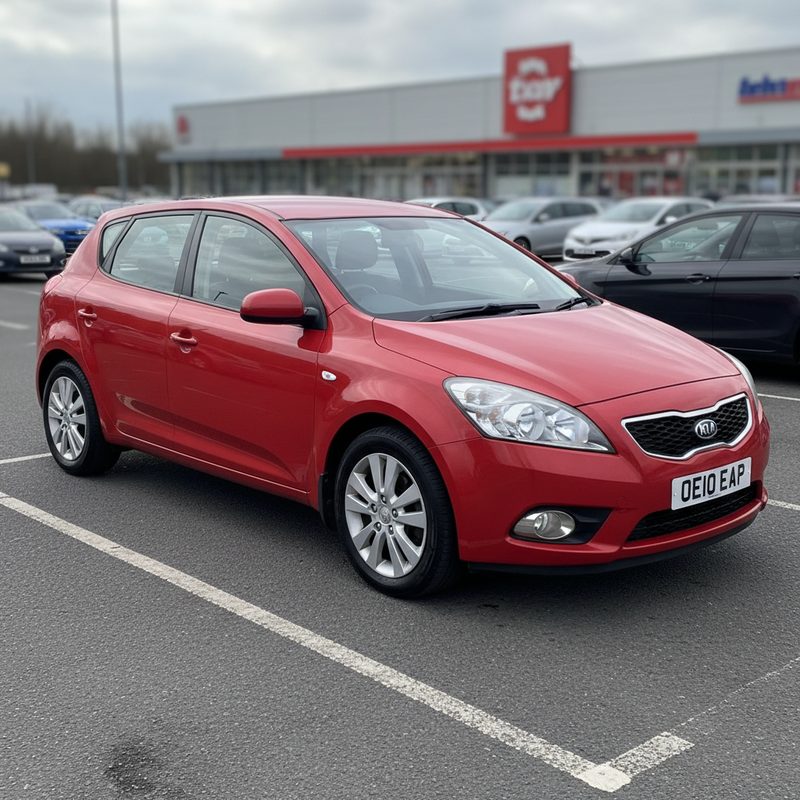
Kia Ceed Depreciation — Does the Warranty Help Value
Discover how the Kia Ceed's warranty influences its depreciation and resale value, along with tips for smart buying.
Understanding Depreciation in the Kia Ceed
When you buy a new car, it’s a bit like watching money evaporate. The moment you drive off the forecourt, your shiny new vehicle loses value. This phenomenon is known as depreciation, and it’s particularly relevant for used car buyers. The Kia Ceed, a popular hatchback in the UK, is no exception to this rule. But how does its depreciation curve look, and does the warranty play a role in maintaining its value?
The Kia Ceed has generally been well-received since its launch, with many praising its blend of practicality, comfort, and style. However, like any car, it experiences depreciation. On average, a new car can lose around 20% of its value in the first year alone, and the Ceed is no different. After three years, you might expect it to have lost about 50% of its original value, depending on the model and condition. For instance, a new Kia Ceed priced at £20,000 could be worth around £10,000 after three years.
The Depreciation Curve for the Kia Ceed
When examining the depreciation curve for the Kia Ceed, it’s essential to consider various factors that influence how quickly it loses value. The first few years are crucial; the steepest decline typically occurs within the first three years. After that, the rate of depreciation tends to level off.
If you are weighing up alternatives, our guide to Tesla Model 3 Depreciation covers similar ground from a different angle.
For example, let’s say you purchase a Kia Ceed for £20,000. In the first year, you might see a depreciation of around 20%, bringing its value down to £16,000. By the end of the second year, it could drop another 15%, resulting in a value of approximately £13,600. By the third year, the depreciation might slow to about 10%, leaving you with a car worth around £12,240. After five years, the value could settle around £8,000, depending on mileage and condition.
This pattern is not unique to the Ceed; many hatchbacks experience similar depreciation curves. However, the Kia Ceed has a reputation for holding its value slightly better than some competitors, thanks to its strong warranty and reliability ratings.
For more on this topic, take a look at our Volkswagen T-Cross Depreciation guide.
Sweet Spot Age — Best Year to Buy for Value
Finding the sweet spot for buying a used Kia Ceed can significantly affect your financial outcome. Generally, the best time to purchase a used car is between three to five years old. At this point, the car has already undergone the steepest depreciation, yet it still benefits from modern features and technology.
For instance, a three-year-old Kia Ceed may be priced around £12,000, while a five-year-old model could be around £8,000. The three-year-old model is still under warranty, which can provide peace of mind, while the five-year-old model offers a more attractive price point.
You might also find our BMW X1 Depreciation Curve guide useful alongside this one.
However, it’s essential to consider the specific model year and trim level. Some models, particularly those with higher specifications or additional features, may hold their value better. For example, a Kia Ceed GT-Line with more tech and sporty aesthetics might depreciate less than a base model due to its desirability.
Which Variants/Specs Hold Value Best
Not all Kia Ceed variants are created equal when it comes to depreciation. Generally, higher-spec models tend to hold their value better than entry-level trims. For instance, the GT-Line and GT models are often more sought after due to their sporty looks and enhanced features.
We have covered related ground in our Mercedes C Class Depreciation guide, which is worth reading if this subject interests you.
In contrast, the base models, while still practical, may not attract as much interest in the used market. This difference in demand can lead to a significant disparity in resale values. For example, a three-year-old Kia Ceed GT-Line might fetch around £14,000, while the base model could only command about £11,000.
Another factor to consider is engine choice. Diesel variants, once the darling of the used car market, have seen a decline in popularity due to changing regulations and consumer preferences. Consequently, petrol models may hold their value better in the current market.
You can check the exact safety score for any model on the Euro NCAP website.
Factors That Affect the Kia Ceed's Resale Value
Several factors can influence the resale value of a Kia Ceed. Understanding these can help you make a more informed purchase.
- Mileage: The more miles a car has, the less it’s worth. A Kia Ceed with 30,000 miles will typically be worth more than one with 60,000 miles.
- Condition: A well-maintained car with a full service history will always fetch a better price than one that has been neglected. Regular servicing and maintenance can help keep the value up.
- Warranty: Kia’s impressive seven-year warranty is a significant selling point. Cars still under warranty are often more appealing to buyers, as they offer peace of mind regarding potential repairs.
- Market Demand: The popularity of the model can fluctuate based on trends. For example, if hatchbacks become less fashionable, you might see a dip in resale values.
- Modifications: While some modifications can enhance a car's appeal, others can detract from its value. A modified Ceed may not attract the same interest as a standard model.
If things go wrong after purchase, Citizens Advice can help you understand your legal rights.
How to Minimise Depreciation When You Buy
While depreciation is inevitable, there are strategies you can employ to minimise its impact on your finances when buying a Kia Ceed.
- Buy Used: The most effective way to avoid the steepest depreciation is to buy a used model. As mentioned earlier, three to five years old is often the sweet spot.
- Choose the Right Trim: Opt for a higher-spec model that is likely to hold its value better. Features like advanced safety systems, infotainment options, and sporty aesthetics can make a significant difference in resale value.
- Keep It Clean: Regular maintenance and cleaning can help keep your car in top condition. A well-maintained vehicle is more appealing to potential buyers and can command a higher price.
- Limit Mileage: If possible, try to keep your mileage low. Cars with lower mileage typically fetch better prices in the used market.
- Consider Market Trends: Stay informed about market trends. If you notice a shift in consumer preferences, it might be worth adjusting your buying strategy accordingly.
Dave's Recommendation on Timing Your Purchase
Timing can be everything when it comes to buying a used Kia Ceed. If you’re looking to get the best value for your money, consider shopping during the winter months. Many people are less inclined to buy cars during the colder months, leading to lower prices. Additionally, dealerships may offer better deals to clear out inventory before the new year.
The FCA has a useful guide to car finance that explains your rights and what to watch for.
Another excellent time to buy is just after the new registration plates are released in March and September. Many people trade in their old cars for the latest models, leading to an influx of used vehicles on the market. This increase in supply can drive prices down, giving you the chance to snag a good deal on a used Ceed.
In conclusion, the Kia Ceed is a solid choice for those looking for a reliable hatchback that holds its value reasonably well. Its impressive warranty, combined with a reputation for reliability, makes it a smart buy in the used car market. By understanding the depreciation curve, knowing the best variants to choose, and timing your purchase wisely, you can minimise your losses and make a sound investment.
If you’re considering a used Kia Ceed, don’t forget to check its value with my free report. It’s a quick and easy way to ensure you’re making a smart financial decision. Happy car hunting!
Check Kia Ceed, instantly with Dave's free vehicle intelligence report.
Check any Kia Ceed's value with Dave's free report